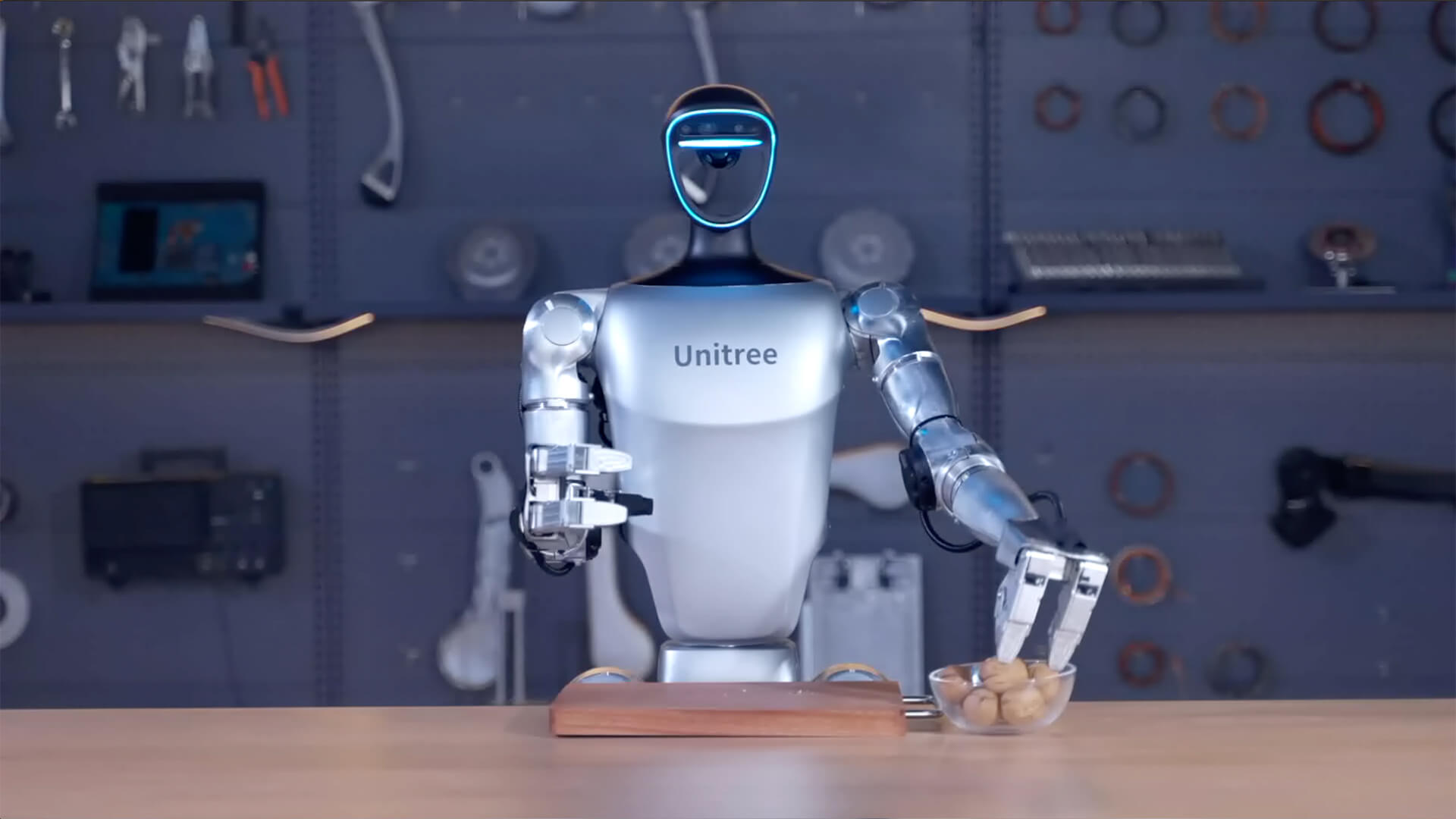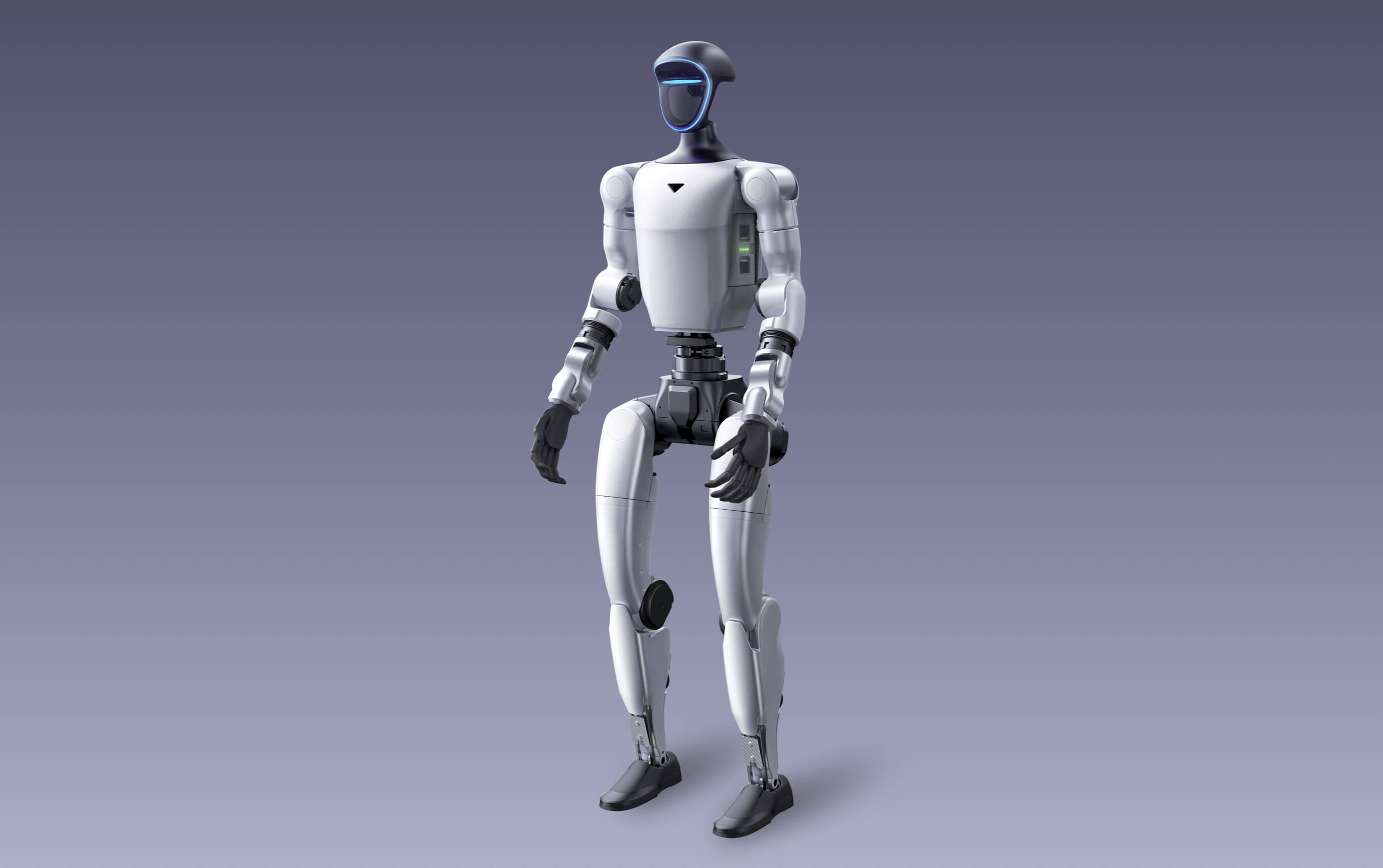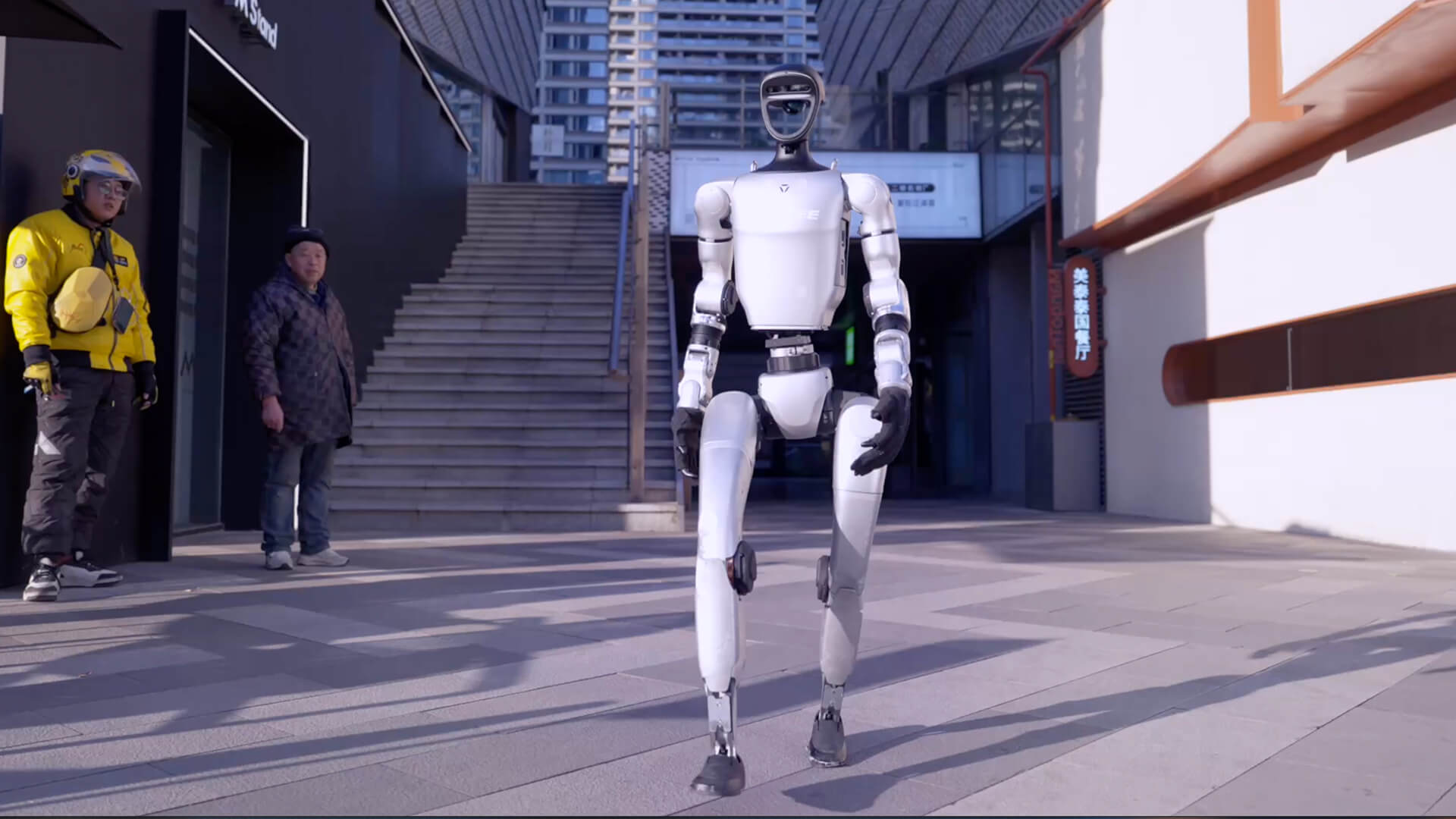
Australia already leads in large-scale mining automation. Humanoids add a different possibility: equipment that can move through some human-designed areas, use familiar interfaces and support inspection or maintenance without placing a person in the first line of exposure.
Mine sites are harsh. Dust, heat, communications, uneven terrain and explosive or hazardous areas can make a laboratory-capable robot unsuitable without engineering changes and site approval.
Begin with supervised inspection
A first use case may involve carrying cameras or sensors through a controlled facility area, reading gauges, checking equipment state or giving a remote specialist a mobile view.
Teleoperation can be more realistic than full autonomy while the team learns about communications, perception and recovery.
Compare humanoids with quadrupeds
Quadrupeds often offer a lower centre of mass and mature terrain mobility for inspection. Humanoids become more interesting where stairs, two-arm manipulation or human control panels are central.
Select body shape from the site and task, not a general belief that humanoids are more advanced.
Engineer for remote conditions
Test temperature, ingress protection, dust, lighting, network coverage, battery logistics and transport. Confirm whether manufacturer ratings support the proposed environment.
Create a lost-communications state and a retrieval method that does not expose workers to new hazards.
Protect operational technology
Separate experimental robotics from critical operational networks. Control credentials, remote access, software updates and data exports. Record which systems the robot can observe or command.
Cybersecurity and physical safety meet when software controls a powerful mobile machine.
Define the safety benefit
Measure whether the pilot reduces entries into hazardous areas, improves inspection frequency or gives specialists better evidence. Also record the new work required to supervise and recover the robot.
A pilot has succeeded when it improves the whole risk picture, not merely when the robot completes a route.
Practical note: Never assume a consumer or laboratory configuration is suitable for a mine site. Environmental rating and site approval are mandatory decision points.
Frequently asked questions
Can Unitree humanoids work underground?
Suitability depends on the exact model, environmental rating, communications and site hazards. A standard platform should not be assumed approved for underground use.
Are robot dogs better for mining?
They can be better for mobility-led inspection. Humanoids may add value where human interfaces or manipulation are essential.
Can teleoperation help?
Yes. Teleoperation can let a specialist inspect remotely while autonomy and site integration are developed, provided communication loss and safe-stop behaviour are controlled.
Specifications, configurations, availability and manufacturer terms can change. Confirm the current product configuration and written quotation before ordering.