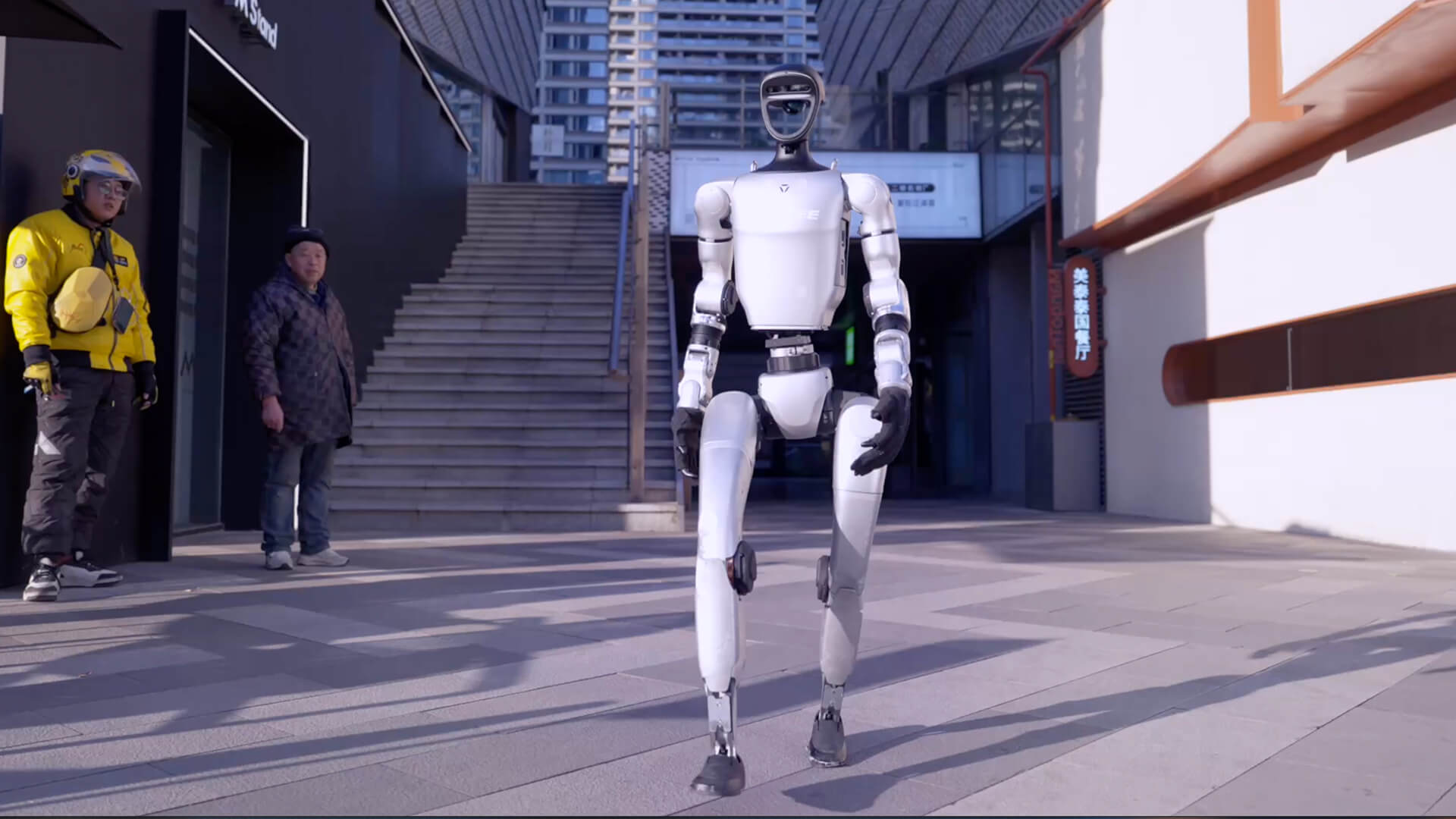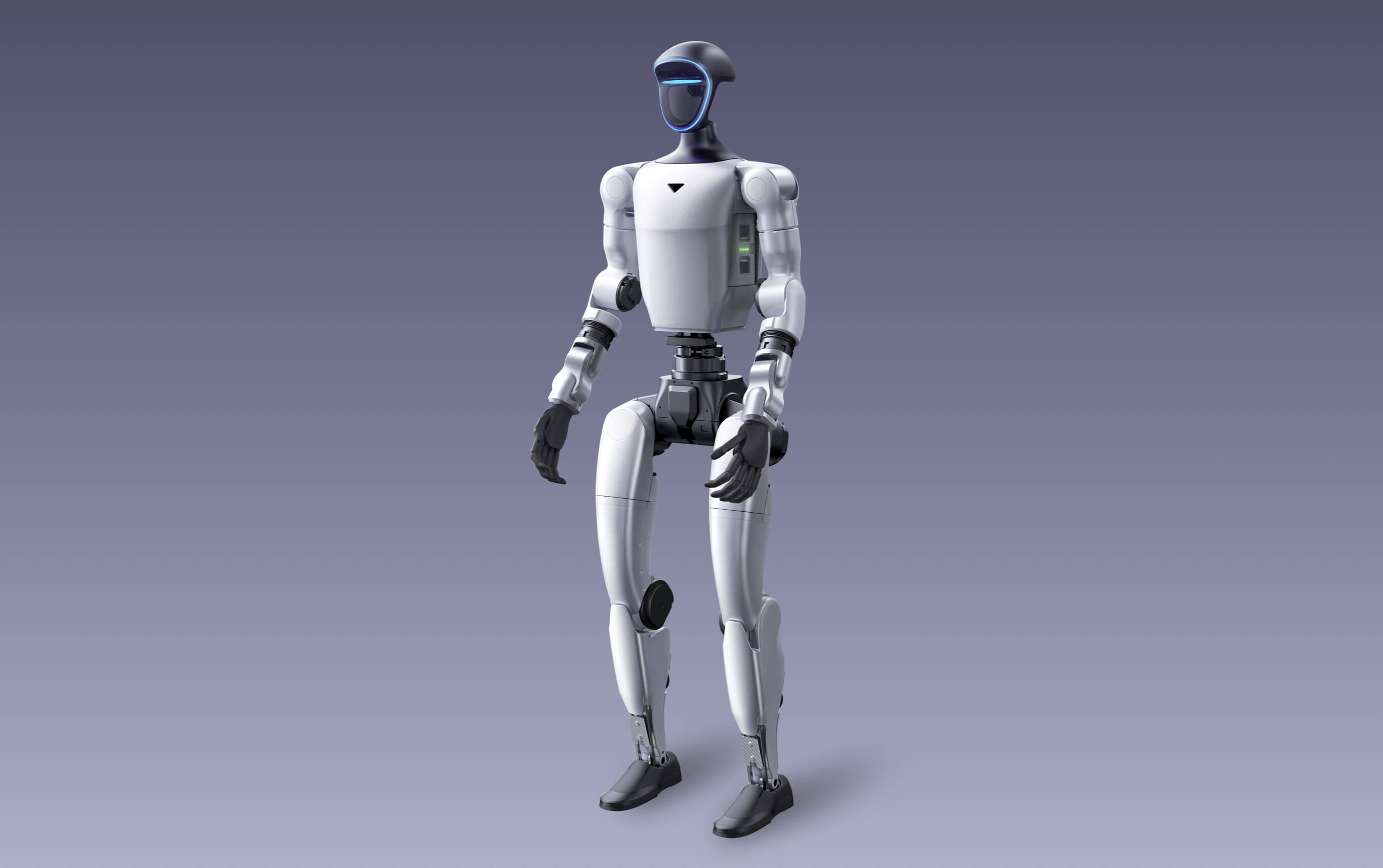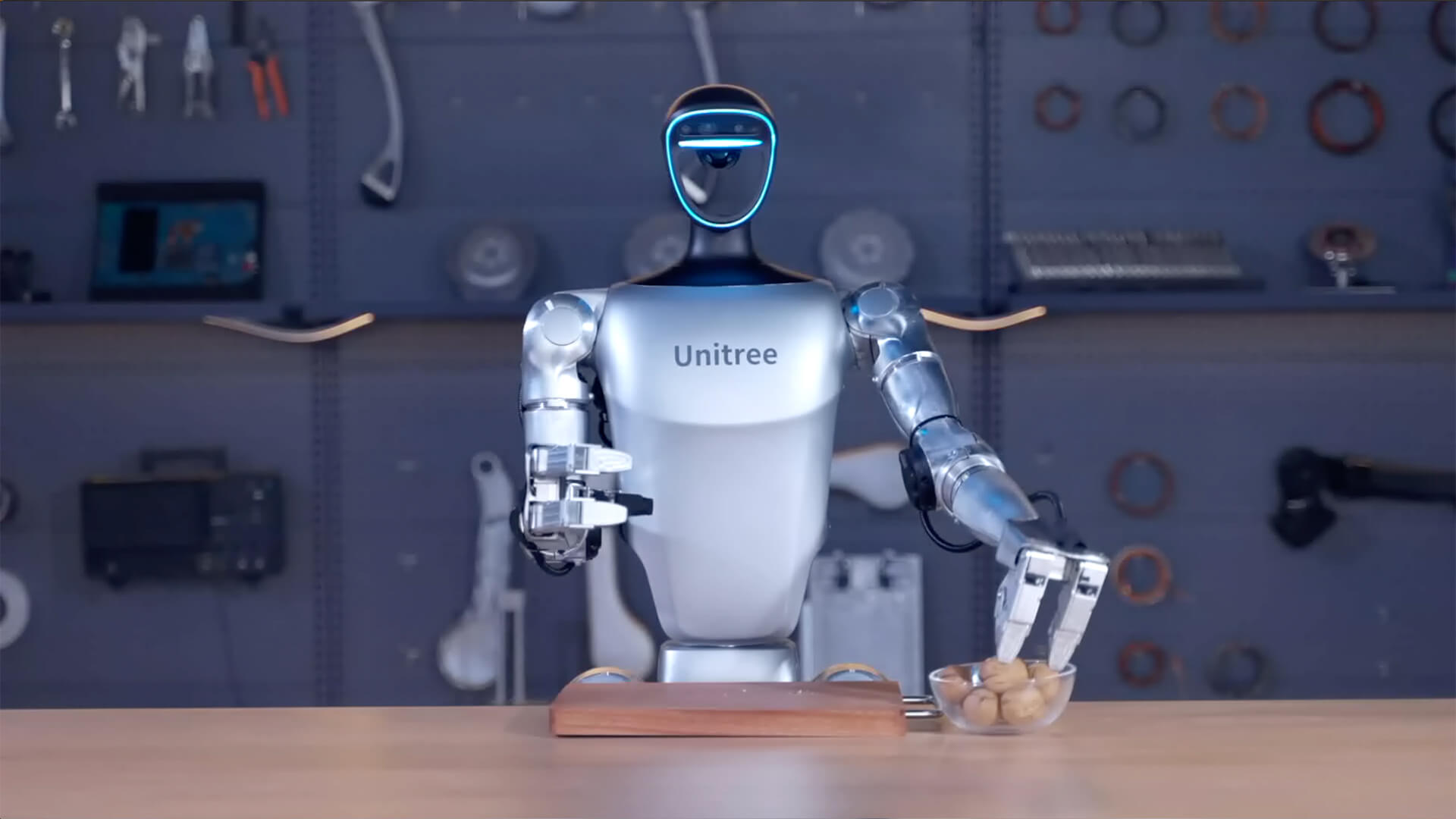
Australian manufacturers compete with high labour, energy and capital costs while protecting product quality and skilled jobs. Humanoids may help where a task occurs in a human-designed space and traditional fixed automation is difficult to justify.
The opportunity is flexible automation; the near-term reality is a supervised cell or pilot. A robot should earn expansion through measured reliability and safety.
Target variable low-volume work
Humanoids may be relevant for light material movement, machine tending, kitting, visual checks or tool interaction where products change and people currently bridge several stations.
If a task is stable and high-volume, a fixed robot arm or purpose-built machine may remain faster and simpler.
Use human-shaped reach deliberately
Shelves, handles, benches and tools are designed around people. A bipedal, two-arm platform may reduce the need to rebuild a work area, but only if its reach, payload, grasp and balance match the task.
Test real containers, tolerances, reflective surfaces and floor transitions—not ideal demonstration objects.
Keep people involved in process design
Operators know jams, damaged packaging and urgent orders that the standard procedure omits. Involve them in failure-mode discovery and recovery design.
Position the pilot around reducing strain, exposure or repetitive handling while developing higher-value technical roles.
Measure production evidence
Record successful cycles, interventions, quality defects, setup time, changeover time, downtime and near misses. Separate robot faults from environment and integration faults.
Set thresholds for continuing, redesigning or ending the pilot before it begins.
Plan integration and support
Even a simple pilot may need network access, work-order data, machine signals, safety controls and maintenance ownership. Decide who supports the robot on each shift and how a failed unit affects production.
Procure the development edition and end effector required for the integration rather than assuming every model is open.
Practical note: The strongest humanoid pilot is narrow enough to measure and important enough to teach the business something useful.
Frequently asked questions
Can humanoids work on Australian production lines today?
They can be tested in controlled, supervised tasks. Continuous production use requires task-specific evidence, integration and suitable safety controls.
Why use a humanoid instead of a robot arm?
A humanoid may help where mobility and human-shaped reach matter. Fixed automation is often better for stable, high-speed repetitive work.
What should a manufacturing pilot measure?
Measure output quality, successful cycles, interventions, downtime, setup, safety events and the time people spend supporting the system.
Specifications, configurations, availability and manufacturer terms can change. Confirm the current product configuration and written quotation before ordering.