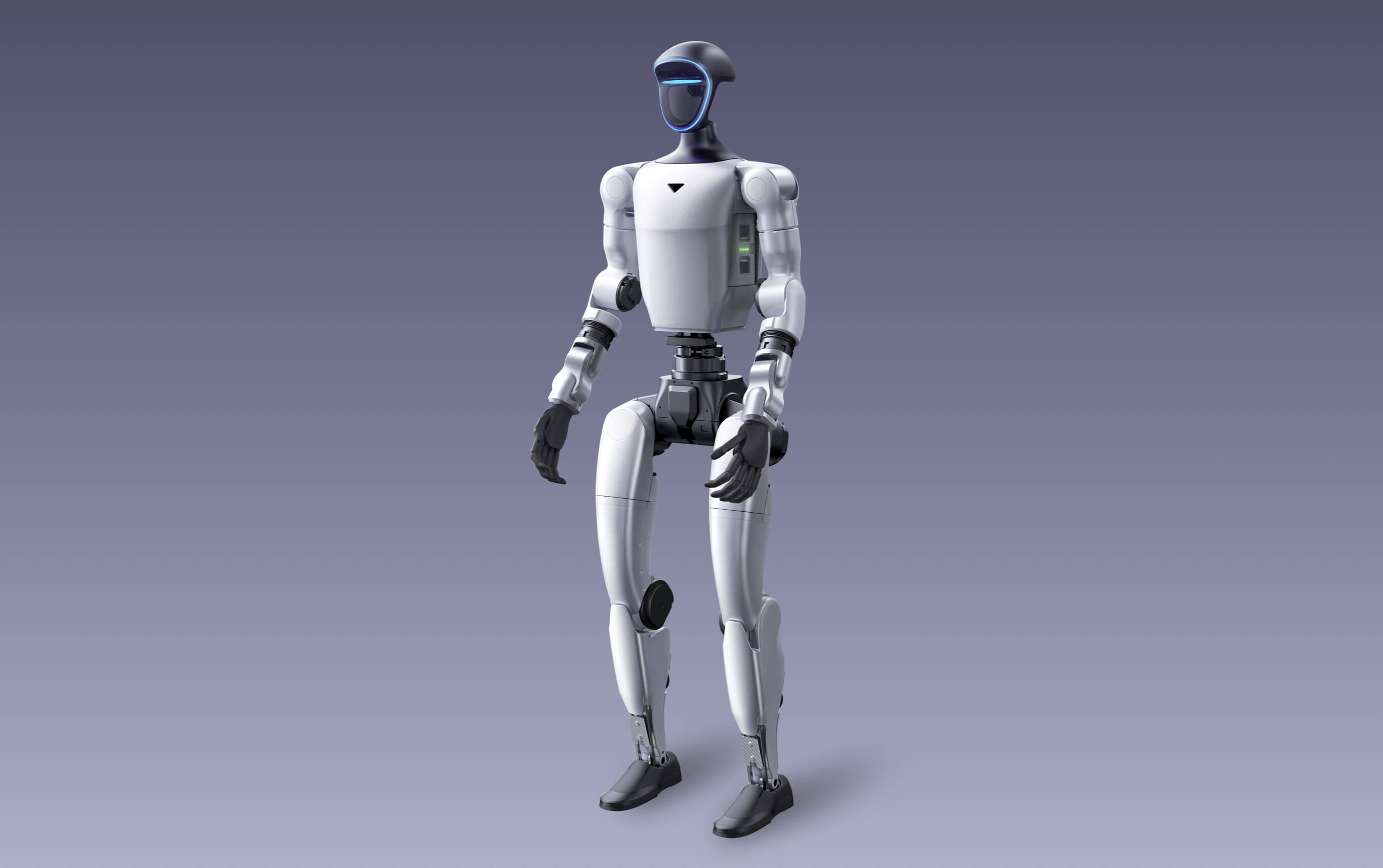
Shanghai's 8,000 Robot Target: What It Means for Melbourne & Narre Warren Buyers
Today in Sydney is 2026-10-15. The lead story is Shanghai Wants 8,000 Humanoid Robots in Factories by 2028.
The Chinese government has just announced an ambitious goal: deploying 8,000 humanoid robots within its factories by 2028. This target, part of a broader initiative to integrate AI into manufacturing, was unveiled at the opening of the 26th China International Industry Fair on October 12, 2026. While this news originates from Shanghai and does not imply that these robots are currently operating in Melbourne or Narre Warren, it serves as a critical signal for Australian robotics teams. It marks a transition where humanoid adoption moves from demonstration phases to concrete factory deployment targets.
For buyers in Victoria, particularly those based in the Narre Warren area or serving the wider Melbourne region, this global trend underscores the urgency of verifying commercial readiness before committing capital. The distinction between a robot being built and one being qualified for work is paramount. As Shanghai sets its sights on 8,000 units, Australian stakeholders must ask: are we building a fleet that can actually operate safely in our local industrial environment?
The Gap Between Policy Targets and Local Reality
The Shanghai announcement outlines four major programs and nineteen priority tasks covering manufacturing technology and AI integration. However, the report explicitly states that these figures represent deployment goals rather than completed purchase orders or installed bases. There is no mention of a specific procurement budget or an existing baseline of installed robots in the city's reports.
For a buyer in Melbourne, this highlights a crucial difference between overseas policy announcements and local market realities. A target of 8,000 units does not guarantee that these robots will be available locally, nor does it confirm their suitability for Australian safety standards or operational environments. The initiative includes plans for 500 advanced-level smart factories and over 2,000 AI application scenarios, but without knowing the specific models being deployed in those Chinese factories, local buyers cannot assume compatibility.
Commercial Readiness vs. Demonstration Capability
It is vital to distinguish between demonstrated capability and commercial readiness. The Shanghai report references AGIBOT robots working at Longcheer Technology's Nanchang plant, where they performed tablet quality inspection alongside human operators. This demonstrates a functional application but does not validate the robot's performance under Australian conditions or its compliance with local regulations.
Similarly, while Unitree has released specifications for its G1 model featuring 23 to 43 degrees of freedom and force-controlled hands, these parameters must be verified against actual site requirements. A robot capable of complex manipulation in a Chinese factory may not meet the load-bearing or safety needs of a Victorian warehouse or manufacturing line.
Safety Standards and Local Regulations
In Australia, the introduction of humanoid robots into plant environments requires strict adherence to safety guidelines. WorkSafe Victoria provides essential context on the regulatory landscape regarding plant, machinery, and equipment. Recent investigations, such as the fatality at a Truganina factory involving a scissor lift, highlight the severe consequences of inadequate safety management in industrial settings.
When considering humanoid robots for deployment, buyers must verify that the intended use aligns with WorkSafe Victoria's definitions of plant and machinery. Unlike amusement rides or specific construction equipment, humanoids present unique risks due to their mobility and interaction with humans. Buyers should not assume that a robot approved for entertainment purposes in one jurisdiction is safe for industrial tasks in another.
Key Questions for Your Supplier Inquiry
Before finalizing any purchase or lease agreement, buyers in Melbourne and Narre Warren must engage suppliers with specific, technical questions rather than general inquiries. The following points are critical to establishing a clear path forward:
- Exact Configuration: Request detailed specifications on joint torque, payload capacity, and duty cycle ratings relevant to your specific task.
- Intended Task Verification: Confirm that the robot's design matches your operational requirements, such as repetitive assembly versus unstructured exploration.
- Local Delivery Logistics: Inquire about shipping timelines and delivery capabilities within Victoria, considering potential import complexities.
- Support and Maintenance: Establish clear protocols for ongoing technical support, spare parts availability in Australia, and service response times.
- Operator Training: Determine if comprehensive training programs are available to ensure operators can safely manage the robot's dexterity and autonomy.
- Safety Assessment: Request documentation regarding the robot's compliance with Australian safety standards and its suitability for plant environments.
- Total Landed Cost: Obtain a breakdown of all costs, including import duties, insurance, installation, and long-term maintenance fees.
Scoping Your Local Pilot Project
To mitigate risk, a local pilot project should be scoped carefully to test the robot's capabilities in a controlled environment before full-scale deployment. A successful pilot involves defining clear performance metrics that align with your operational goals, such as cycle time improvements or error reduction rates.
The pilot phase should focus on validating the robot's ability to perform specific tasks under real-world conditions, including varying lighting and unexpected obstacles. It is essential to establish a safety boundary during the trial period to ensure no harm occurs to personnel or equipment. By treating the pilot as a rigorous engineering test rather than a marketing event, buyers can gather the data needed to justify larger investments.
The Motion Challenge: Beyond Basic Mobility
As humanoids become more prevalent, the focus is shifting from basic mobility to precise motion control. Timken Precision Drives, for example, emphasizes that successful humanoid design requires balancing torque, speed, stiffness, and weight across various joints. Their approach involves evaluating application-specific needs, such as load-bearing capabilities in wrist assemblies or positioning accuracy in leg mechanisms.
For Australian developers, this means looking beyond the robot's appearance to its internal mechanics. A system that works well for a hotel concierge may differ significantly from one designed for a factory assembly line. Understanding these mechanical nuances is essential for selecting robots that can handle the physical demands of industrial tasks without compromising safety or efficiency.
Integrating AI and Software Ecosystems
The Shanghai initiative also highlights the importance of integrating 10 domain-specific AI models and 300 high-level AI agents into the manufacturing ecosystem. For buyers in Melbourne, this suggests that hardware alone is insufficient; the software stack must be robust and adaptable.
Unitree's G1 model, for instance, leverages UnifoLM (Unified Robot Large Model) to drive imitation and reinforcement learning. However, the effectiveness of these AI systems depends on how well they are trained and deployed in the local environment. Buyers should verify whether the robot's software supports continuous OTA (Over-The-Air) updates and if the AI models are compatible with existing factory management systems.
Your Path Forward: KproApps for Melbourne and Narre Warren
Navigating this evolving landscape requires reliable partners who understand both the technology and the local market. KproApps is based in Narre Warren and welcomes enquiries from Melbourne and south-east Melbourne. We provide a streamlined pathway to explore humanoid robots suitable for your specific industrial needs.
To move from analysis to action, we encourage you to Explore humanoid robots in Australia to review our curated selection of models and their capabilities. Once you have identified a potential candidate, use our platform to Request a robot quote for detailed pricing and configuration options.
Next Steps: Contact Us Today
The window to prepare for the next wave of industrial automation is now. As global adoption targets rise, local buyers must act decisively to ensure their fleets are ready for deployment. Do not wait until a safety incident or operational failure occurs; proactive planning is the only way to secure your business's future.
If you have questions about specific models, delivery timelines, or safety compliance, we invite you to contact KproApps directly. Our team is ready to discuss your intended use case and help you build a robot solution that meets the rigorous standards of modern manufacturing.
Frequently asked questions
Is the Shanghai 8,000 robot target relevant to Melbourne buyers?
While the target is in Shanghai, it signals a global shift toward industrial deployment. For Melbourne and Narre Warren, it highlights the need to verify commercial readiness and safety compliance before purchasing.
How do I know if a humanoid robot is safe for my factory?
You must verify compliance with WorkSafe Victoria's plant and machinery regulations. Ask suppliers for specific safety assessments, duty cycle ratings, and training protocols before deployment.
What should I check regarding motion systems and AI?
Evaluate torque, stiffness, and joint load capacity against your task needs. Ensure the robot's AI models support continuous updates and integrate with your existing factory management systems.
Sources and further reading
- Shanghai Wants 8,000 Humanoid Robots in Factories by 2028 — Humanoids Daily (2026-10-14)
- Timken Precision Drives puts the motion challenge first in humanoid robots — The Robot Report (2026-10-14)
- Unitree G1 humanoid robot — Unitree Robotics
- Plant safety guidance — WorkSafe Victoria
Specifications, configurations, availability and manufacturer terms can change. Confirm the current product configuration and written quotation before ordering.