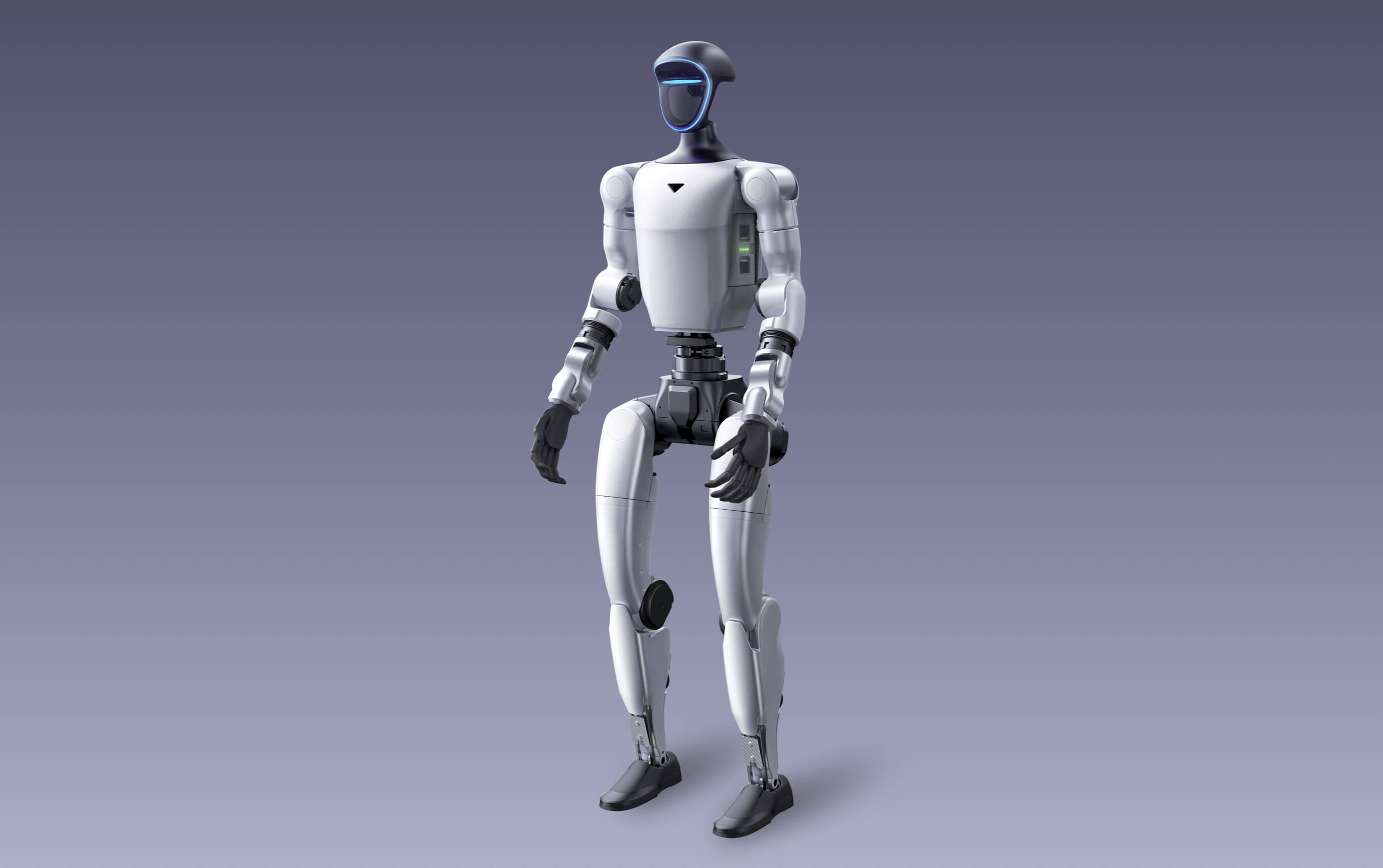
Humanoid Robotics in Melbourne: Lessons from Sydney's Reconfigurable Robots
Today in Sydney is 2026-10-17, marking a pivotal moment for the robotics industry as IEEE Spectrum highlights a breakthrough where two robots can reconfigure into a single, more capable unit. This development, reported by IEEE Spectrum, suggests a future where modular design and collaborative autonomy are becoming standard operating procedures rather than experimental concepts. For robotics teams and businesses considering deployment in Melbourne or the Narre Warren region, this shift from single-unit operation to swarm intelligence represents a significant evolution in how we think about automation readiness.
While the headline story focuses on Microducks and other collaborative units syncing over Bluetooth to perform complex tasks like cornhole shooting, it serves as a timely hook for Australian buyers. The ability to combine robotic capabilities dynamically addresses one of the most pressing challenges in commercial robotics: the need for versatility without sacrificing cost efficiency. As we move deeper into 2026, the distinction between demonstrated capability and commercial readiness remains critical. A robot that can theoretically reconfigure does not guarantee it is safe, supported, or ready for immediate deployment on a construction site in Truganina or a warehouse in Tottenham.
The Shift from Static to Dynamic Robotics
The IEEE Spectrum article illustrates a paradigm shift where robots are no longer static endpoints but dynamic participants in a network. When Microducks sync their movements and audio capabilities, they create a "choir" that performs tasks beyond the reach of any single unit. This mirrors the emerging trend in humanoid robotics where AI-driven coordination allows multiple units to act as one.
For a buyer in Melbourne, this implies that future procurement strategies may need to account for modular configurations rather than fixed specifications. However, it is crucial to distinguish between the research phase and the market reality. The video demonstrates a controlled internal test environment; it does not confirm that such reconfigurable systems are currently available for purchase in Australia. Buyers must verify if their intended use case requires a single robust unit or a coordinated swarm, as the latter introduces complex logistical and safety considerations.
Understanding Hardware Capabilities vs. Commercial Availability
Source 1 highlights advanced simulation pipelines where AI models like Gemini 4 Argon can translate video data into physical control for robots like Apptronik's Apollo 2. This "Video-to-Sim-to-Real" pipeline compresses weeks of modeling into hours, a capability that could revolutionize how Australian businesses train their fleets.
However, this does not mean such AI training tools are off-the-shelf products available in Narre Warren. The technology described is currently in the research and development phase. When evaluating potential suppliers, buyers must ask: Is this simulation tool integrated into the robot's firmware? Or is it a separate software add-on? Furthermore, the cost of developing custom training data for specific Australian industrial tasks could be substantial.
Comparing this to Source 3, which details the Unitree G1 humanoid robot, provides a clearer picture of current commercial hardware. The Unitree G1 lists a price starting from USD 13.5K (approximately AUD 24,000+ depending on exchange rates) and features 23 to 43 degrees of freedom. It includes optional force control dexterous hands and supports continuous OTA software upgrades.
While the Unitree G1 represents a commercially available option with defined parameters like joint motors using low inertia high-speed internal rotor PMSM technology, it lacks the "reconfigurable" nature highlighted in the Sydney news. A buyer must decide if they need the immediate availability of a standard humanoid or are willing to invest in emerging reconfigurable architectures.
The Critical Role of Tactile Sensing
Simultaneously, Source 2 reports on Tesla's patent application for touch-sensitive skin, filed in October 2026. This technology involves printing conductive regions onto flexible substrates to detect pressure and force at scale. While this is a significant step toward dexterous manipulation, the patent does not confirm that such sensors are currently installed on any robot sold in Australia.
For an Australian robotics team, tactile sensing is moving from a luxury feature to a safety necessity. As WorkSafe Victoria notes in its plant safety guidance, incidents involving machinery and equipment can result in severe injuries, including fatalities. The ability for a robot to feel the difference between a fragile component and a heavy load is not just about efficiency; it is about preventing accidents.
Buyers must verify if their chosen robot includes these advanced tactile sensors or if they are relying on basic force-torque sensors. The absence of specific sensitivity figures in the Tesla patent means that performance cannot be assessed without direct testing or third-party certification.
Safety Assessments and Regulatory Compliance
The news from Sydney regarding reconfigurable robots raises immediate questions about safety standards. If two robots can merge, how do they communicate their status? What happens if one unit fails during a reconfiguration?
In Australia, the Department of Education was recently fined AUD 150,000 after an incident involving machinery in a classroom, and WorkSafe Victoria is actively investigating fatalities in warehouses and factories. These events underscore that plant safety regulations are strict and non-negotiable.
Before purchasing any humanoid robot for use in Melbourne or south-east Melbourne, buyers must ensure the equipment complies with Australian Standards (AS) and local WorkSafe requirements. A robot capable of complex reconfiguration may require additional certification beyond standard industrial machinery approvals. It is not enough to assume that a technology being demonstrated overseas meets local safety protocols.
What to Verify Before Purchase
When engaging with suppliers, whether they are based in China or operating locally, due diligence is paramount. Buyers should request the following specific information:
- Exact Configuration: Confirm the specific model number, joint count, and optional modules (e.g., force control hands). Do not assume features based on marketing brochures.
- Intended Task: Ask how the robot has been validated for your specific application. Has it undergone real-world testing in similar environments?
- Local Delivery: Verify if the supplier can deliver to Narre Warren or Melbourne within a reasonable timeframe. Shipping costs and lead times can significantly impact total landed cost.
- Support Network: Ensure there is a local support team available for maintenance, software updates, and troubleshooting.
- Operator Training: Confirm that training programs are available in English and tailored to the specific robot model.
- Safety Assessment: Request documentation of any relevant safety certifications or third-party audits.
- Total Landed Cost: Calculate all costs including shipping, import duties, installation, and ongoing maintenance contracts.
Scoping a Local Pilot Project
To mitigate risk, organizations should consider scoping a local pilot project before committing to large-scale deployment. A concise approach involves selecting a low-risk environment, such as a warehouse in Truganina or a controlled facility near Tottenham, to test the robot's capabilities.
The pilot should focus on a single, well-defined task that does not require full reconfiguration capabilities initially. For example, testing basic object manipulation or guided navigation. This allows the team to evaluate the robot's stability, sensor accuracy, and interaction with the environment without the complexity of swarm coordination. If the robot demonstrates reliability in this controlled setting, it can build confidence for more ambitious projects involving multiple units.
The KproApps Advantage in Narre Warren
Navigating the complexities of humanoid robotics requires local expertise. KproApps is based in Narre Warren and welcomes enquiries from Melbourne and south-east Melbourne. We understand that buying a robot is not just about the hardware; it is about ensuring it fits your operational workflow, safety standards, and budget.
Our team can help you analyze the latest technologies, such as reconfigurable robots or advanced tactile sensing, and determine their practical application for your business. We do not make assumptions about stock or capabilities; instead, we provide transparent guidance based on verified data.
Next Steps for Your Robotics Journey
The robotics landscape is evolving rapidly, with innovations in Sydney and globally influencing what is possible tomorrow. However, the path to commercial readiness requires careful planning and verification. Do not rely on unverified claims or overseas news as a proxy for local availability.
To move forward, visit our website to Explore humanoid robots in Australia and review the latest models and their specifications. If you are ready to discuss your specific project, whether it involves integrating new sensors or exploring collaborative robotics, we invite you to Request a robot quote.
Contact us today at contact KproApps to begin the conversation. Let's work together to bring safe, efficient, and capable robotics solutions to your team in Melbourne and beyond.
Frequently asked questions
Are the reconfigurable robots shown in Sydney news available for purchase in Melbourne?
The IEEE Spectrum article describes a research demonstration of reconfigurable robots. There is no evidence these specific units are commercially stocked or available for immediate delivery in Melbourne.
What is the price range for humanoid robots like the Unitree G1?
The Unitree G1 lists a starting price of USD 13.5K, which translates to approximately AUD 24,000 or more depending on the current exchange rate and configuration options.
How can I verify if a robot meets Australian safety standards?
You must request specific documentation from the supplier regarding compliance with Australian Standards (AS) and WorkSafe Victoria regulations before deployment in any facility.
Sources and further reading
- Video Friday: When Two Robots Become One — IEEE Spectrum (2026-10-16)
- Tesla patent reveals touch-sensitive skin for robot hands — Robotics & Automation News (2026-10-16)
- Unitree G1 humanoid robot — Unitree Robotics
- Plant safety guidance — WorkSafe Victoria
Specifications, configurations, availability and manufacturer terms can change. Confirm the current product configuration and written quotation before ordering.