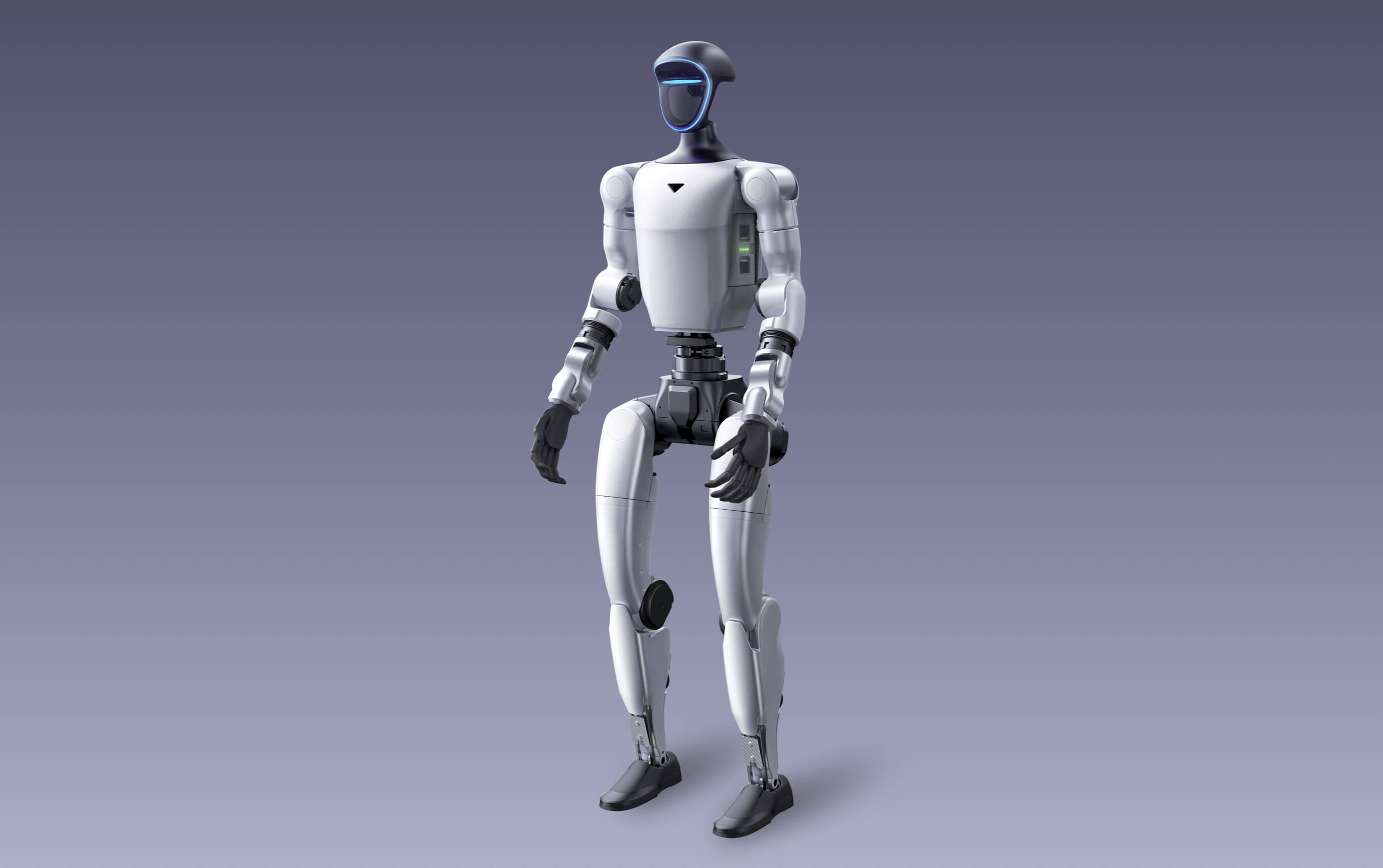
Humanoid Robots in Melbourne: Scaling Production After Rapid Advances
Today in Sydney, the industry landscape shifted as Robotics & Automation News reported that while humanoid robot developers are racing to move machines from demonstrations into factories, the next critical challenge is manufacturing them at scale. The article highlights a fundamental engineering shift: moving from building a handful of prototypes to producing hundreds or thousands with consistent quality and predictable costs. As companies like Boston Dynamics, Figure, Agility Robotics, and major automotive manufacturers prepare for larger deployments, the focus is turning toward supply chains that can handle dozens of actuators, precision gears, and sensors without compromising reliability.
For a robotics team or facility manager in Melbourne or Narre Warren, this news signals that the era of buying single, custom-built prototypes is ending. Instead, buyers are facing a market where standardized components and volume manufacturing will drive costs down but introduce new risks regarding supply chain stability and design iteration.
The Prototype-to-Production Gap
The transition from prototype to production is not merely about increasing output; it is a fundamentally different engineering problem. As noted by industry experts, prototypes prove a concept works, while production proves you can repeat it reliably. In the prototype phase, engineers can hand-fit parts and work around quirks. However, at volume, every workaround becomes a source of variation, cost, and delay.
Manufacturers are discovering that designs created without volume manufacturing in mind face significant hurdles. Parts originally CNC-machined from solid stock for a single unit may need to become castings or molded components, altering tolerances and tooling lead times. Furthermore, inspection methods that work for ten parts rarely scale to a thousand. For a buyer in the Melbourne region, this means distinguishing between a demonstrated capability and commercial readiness is more important than ever.
Supply Chain Bottlenecks to Watch
Humanoid robots contain unusually large numbers of actuators, motors, gears, bearings, sensors, and precision-machined components. The report identifies actuators as the most likely pressure point as production volumes increase. Each robot requires dozens of these complex assemblies, which combine motors, precision gears, bearings, encoders, and housings.
High-precision gearing, such as harmonic drives and planetary reducers, currently faces capacity constraints. Additionally, rare-earth magnets for motors and specialized sensors are supply-chain concerns. The manufacturing process itself will also strain existing capacity, with five-axis machining, precision grinding, and tight-tolerance inspection becoming bottlenecks. Buyers should anticipate a shift toward more automated production and in-line metrology to maintain quality as volumes climb.
Generalization vs. Demonstration
While the focus on manufacturing is growing, another layer of complexity exists regarding how these robots behave in real-world scenarios. A recent podcast discussion highlighted that impressive demonstrations do not necessarily prove that robotic behavior can be generalized. The industry continues to emphasize the importance of humans in the loop for training robots and ensuring their actions are safe and predictable across varied environments.
For a site in Narre Warren or south-east Melbourne, this distinction is vital. A robot that performs flawlessly in a controlled demo may lack the generalization required for an unstructured factory floor or warehouse. Buyers must verify that the intended task has been rigorously tested beyond simple imitation learning, ensuring the system can handle the unpredictability of actual operations.
Safety and Regulatory Context in Victoria
Operating humanoid robots involves significant safety considerations, particularly under WorkSafe Victoria guidelines. The department manages regulations for plant, machinery, and equipment, covering everything from construction plant to elevating work platforms. Recent investigations into warehouse fatalities and farm machinery incidents underscore the severity of safety compliance.
While specific approval status for every humanoid model is not yet publicized, the regulatory environment is clear: integrating complex automation requires adherence to strict safety standards. Buyers must treat safety assessment as a non-negotiable part of the procurement process, ensuring that any robot deployed in Victoria meets local plant and machinery regulations.
What to Verify with Your Supplier
When engaging with suppliers for humanoid robots, buyers should conduct thorough due diligence beyond the initial demo. The following verification steps are critical for commercial readiness:
- Exact Configuration: Confirm the specific actuators, motors, and sensors included. Variations in these components can drastically affect performance and cost.
- Intended Task: Ensure the robot's capabilities align with your specific operational needs, not just its demonstrated range of motion.
- Local Delivery: Verify if the supplier offers delivery to Melbourne or Narre Warren and understand the logistics for heavy machinery.
- Support and Training: Assess whether the vendor provides ongoing technical support and operator training essential for safe deployment.
- Safety Assessment: Request documentation on how the robot meets local plant and machinery safety requirements.
- Total Landed Cost: Calculate all costs involved, including shipping, installation, maintenance, and potential spare parts.
Scoping a Local Pilot Project
A local pilot could be scoped by defining clear operational boundaries and success metrics. Start by identifying a repetitive or high-risk task where the robot can operate safely within a controlled environment. Define the specific tasks the robot must perform, such as moving objects or interacting with machinery, and establish measurable outcomes for efficiency and accuracy. Engage with potential suppliers to discuss their experience with similar applications in Australian industrial settings. Ensure that safety protocols are integrated into the pilot design from the outset, involving local compliance experts if necessary. This approach helps mitigate risks while providing valuable data on real-world performance.
Commercial Readiness vs. Demo Capability
It is crucial to distinguish between demonstrated capability and commercial readiness. A robot capable of complex manipulation in a video demo may not yet have a reliable supply chain or proven long-term durability. The industry is still evolving, with manufacturers learning from real-world deployments to refine their designs. Buyers should view early adopters as participating in an ongoing evolution rather than purchasing a finished product.
Exploring Options for Melbourne and Narre Warren
For those looking to integrate humanoid robotics into their operations, exploring available options requires careful consideration of the current market maturity. While global leaders are pushing boundaries, local availability and support remain key factors. KproApps, based in Narre Warren and welcoming enquiries from Melbourne and south-east Melbourne, offers an Australian quote and ordering pathway through its website.
The journey from prototype to production is complex, but with the right verification and planning, it can unlock significant operational benefits. By focusing on supply chain resilience, safety compliance, and genuine task alignment, organizations can navigate this new era of robotics effectively.
Next Steps for Buyers
To move forward, interested parties should initiate contact to discuss their specific use cases and verify supplier capabilities. Engaging directly allows for a clearer understanding of what is commercially available versus what remains in the demonstration phase.
By taking these steps, buyers can ensure they are investing in solutions that are not only technologically impressive but also practically viable and safe for their unique environment.
Frequently asked questions
What is the difference between a prototype and a production-ready robot?
A prototype proves the concept works, while a production-ready robot can be repeated reliably at scale with consistent quality and predictable costs.
Are humanoid robots approved for use in Victoria factories yet?
Specific approval status varies by model; buyers must verify compliance with WorkSafe Victoria plant and machinery regulations before deployment.
How do I know if a robot is safe for my specific task?
Verify the intended task, request safety assessments, and ensure the supplier provides operator training and supports local delivery to Narre Warren or Melbourne.
Sources and further reading
- Interview: Humanoid robots are advancing fast. Manufacturing them at scale is the next challenge — Robotics & Automation News (2026-10-10)
- Why humanoid robot demos still fail the generalization test — The Robot Report (2026-10-09)
- Unitree G1 humanoid robot — Unitree Robotics
- Plant safety guidance — WorkSafe Victoria
Specifications, configurations, availability and manufacturer terms can change. Confirm the current product configuration and written quotation before ordering.