Robot Swords vs Factory Plans: Humanoid Robot Implications for Melbourne Buyers
Today, the humanoid robotics landscape is shifting from theoretical demos to high-stakes spectacle and serious industrial manufacturing. In a development that underscores the growing public fascination with these machines, REK has announced it is equipping its humanoids with swords for an upcoming "Deathmatch" event in San Francisco. This move signals a deliberate push toward entertainment and extreme capability demonstration, distinct from the commercial pragmatism required by Australian industry.
REK Adds Swords to Humanoid Robot Fights With "Deathmatch"
While this spectacle may seem far removed from the practical needs of a Melbourne or Narre Warren robotics team, it highlights a critical trend: the rapid evolution of hardware capabilities and the blurring line between entertainment and utility. Simultaneously, Faraday Future is moving beyond its electric vehicle roots to establish a dedicated robotics factory in the United States by late 2026. These two stories—one focused on combat sports, the other on industrial manufacturing—offer contrasting but equally valuable lessons for anyone considering humanoid robots for work in Victoria.
The Entertainment Factor: Beyond Punching
The REK "Deathmatch" event, scheduled for October 9 with blade-equipped machines, represents a new frontier in robotics engagement. As REK CEO CIX LIV noted, the initial demonstrations of punching were merely the warm-up. By introducing Spartan Blades and Claw Blades, the organizers are creating a narrative that appeals to spectators seeking something more than standard agility tests.
For an Australian buyer, this serves as a reminder that humanoid robots can be engineered for extreme dexterity and force application. The presence of weapons on these machines suggests robust arm structures capable of handling significant loads without compromising structural integrity. However, it is vital to distinguish between demonstrated capability in a controlled arena and commercial readiness for workplace deployment. A robot designed to wield a sword is not necessarily optimized for the safety protocols required in a Victorian factory or warehouse.
Industrial Manufacturing: The Faraday Future Model
In stark contrast to the combat ring, Faraday Future is charting a path toward serious production. The company plans to bring a robotics factory online in the US by the end of 2026, aiming to roll off its first "Built in USA" robot in February 2027.
This strategy involves retrofitting existing facilities and potentially building new ones, targeting a full domestic manufacturing supply chain by Q4 2028. Faraday Future is selecting specific models like the Next Futurist for industrial applications and inspection, indicating a clear focus on utility over spectacle. For teams in Narre Warren or Melbourne, this underscores the importance of evaluating whether a robot's design aligns with actual task requirements rather than just its marketing appeal.
Verifying Configuration and Task Fit
When assessing humanoid robots for potential purchase or lease, buyers must move beyond headline features. The REK story illustrates that "extra" capabilities can be added to core platforms, but these additions may come at a cost to safety or reliability in unstructured environments.
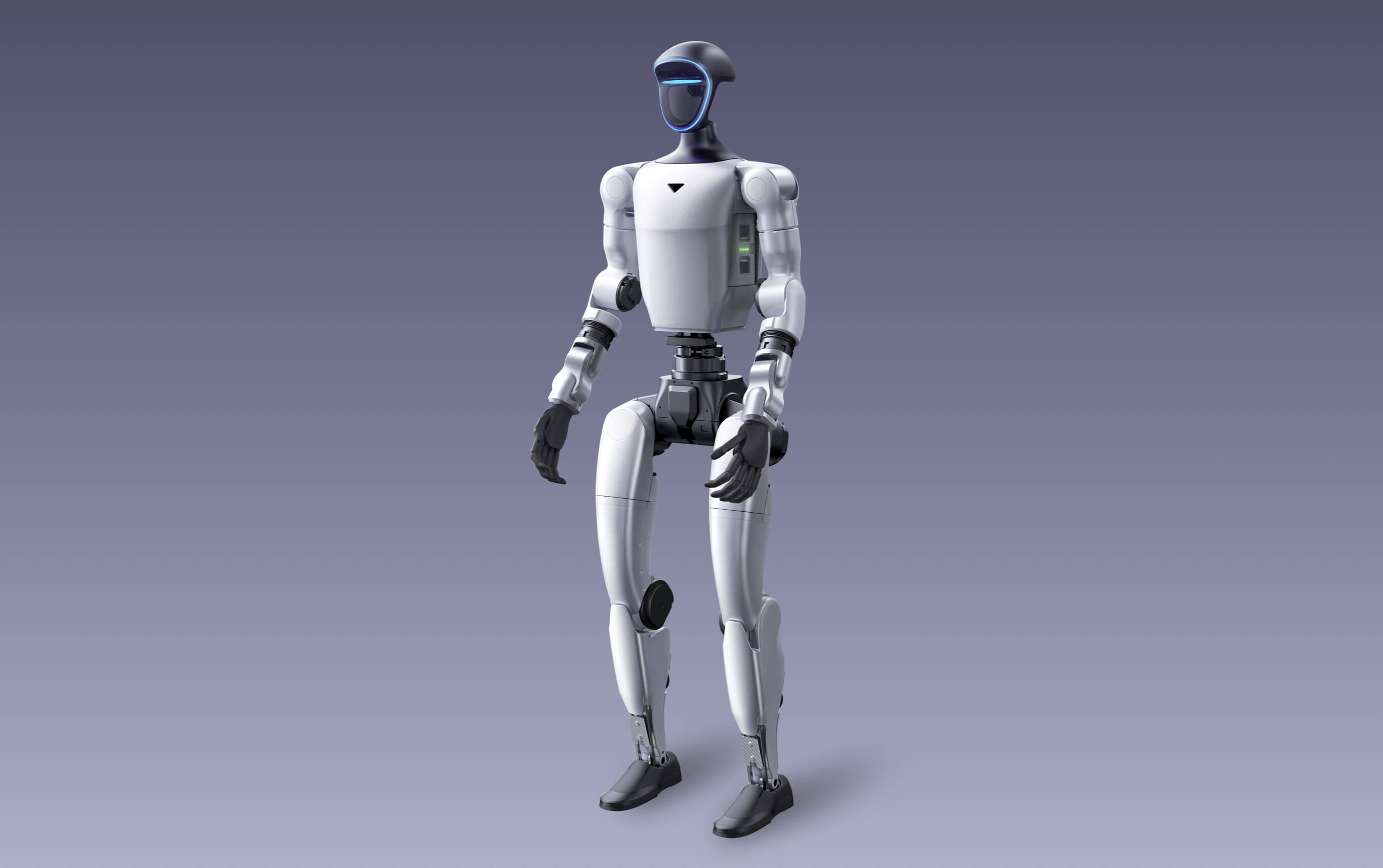
Buyers should verify the exact configuration of any proposed robot. Does it include optional force-control hands? What is the maximum torque output for joints critical to lifting tasks? The Unitree G1, for instance, offers specific parameters like 23 to 43 degrees of freedom and industrial-grade crossed roller bearings, which are relevant details for procurement teams.
Intended task analysis is equally crucial. A robot selected for entertainment may lack the sensor fusion or software stack necessary for navigating a dynamic warehouse in Melbourne. Conversely, an industrial-grade unit might be over-engineered for simple inspection tasks. The goal is to match the robot's physical and cognitive capabilities directly to the operational environment.
Local Delivery and Support Networks
A significant consideration for any Australian buyer is the logistics of delivery and ongoing support. Faraday Future's plan to manufacture in the US highlights a potential supply chain distance for international clients, whereas local suppliers offer immediate advantages.
KproApps, based in Narre Warren, provides an accessible pathway for Melbourne and south-east Melbourne customers seeking equipment and expertise. When engaging with any supplier, it is essential to confirm local delivery capabilities and the availability of after-sales support.
Remote troubleshooting can be effective, but physical access for maintenance or software updates is often required for complex humanoid systems. Buyers should ask specific questions about lead times for spare parts and the proximity of engineering teams who can assist with integration.
Safety Assessments and Regulatory Compliance
The work environment in Victoria is governed by strict safety standards, as highlighted by recent investigations into plant and machinery incidents reported by WorkSafe Victoria. The introduction of humanoid robots into these environments requires rigorous safety assessments.
Unlike the controlled nature of a robot fight, industrial deployment involves unpredictable human-robot interaction. Buyers must verify if the robot has undergone relevant safety certifications or if additional local compliance measures are needed.
Operators should be trained not only on how to program the robot but also on emergency shutdown procedures and safe coexistence protocols. The potential for injury is real, and safety assessments must address both the machine's capabilities and the surrounding workspace hazards.
Operator Training and Skill Gaps
The shift toward embodied AI requires a new skill set for operators. Faraday Future's expansion into robotics education, including partnerships with school districts, reflects a broader industry recognition of this need.
In Melbourne and Narre Warren, training programs must be tailored to the specific robot models being deployed. General knowledge of robotics is insufficient; operators need hands-on experience with the specific hardware they will manage.
Investing in operator training reduces the risk of misuse and increases the efficiency of the robot's application. Teams should consider whether their current workforce has the capacity to handle advanced humanoid systems or if upskilling is a prerequisite for adoption.
Scoping Your Local Pilot Project
For organizations hesitant to commit to full-scale deployment, scoping a local pilot project is a prudent first step. A well-defined pilot can validate the robot's utility without requiring massive capital expenditure.
A concise pilot scope should include: defining the specific task (e.g., palletizing, inspection), selecting a test environment that mimics real conditions, establishing clear success metrics, and setting up a safety monitoring plan. This approach allows teams to gather data on performance and reliability before making larger procurement decisions.
Total Landed Cost Considerations
The total landed cost of a humanoid robot extends beyond the purchase price. It encompasses shipping, installation, maintenance, training, and potential downtime.
Faraday Future's mention of generating a positive contribution margin with over 400 units shipped suggests that economies of scale can impact costs. However, for smaller Australian teams, these savings may be less accessible.
Buyers should request detailed cost breakdowns from suppliers to understand the full financial commitment. Hidden costs related to software licensing, OTA upgrades, and specialized maintenance can quickly erode budget estimates.
Next Steps: Explore and Quote
The humanoid robotics sector is evolving rapidly, with developments in combat sports and industrial manufacturing occurring almost simultaneously. For those in Melbourne, Narre Warren, or the south-east region, staying informed is key to making strategic decisions.
To explore the latest options and capabilities, visit Explore humanoid robots in Australia. If you are ready to move forward with a specific use case, we invite you to Request a robot quote.
KproApps is based in Narre Warren and welcomes enquiries from Melbourne and south-east Melbourne. We encourage you to contact KproApps to discuss your intended use, verify configurations, and explore the website for tailored solutions.
Frequently asked questions
What is the difference between robot combat demos and industrial applications?
Combat demos focus on extreme dexterity and spectacle, while industrial robots prioritize safety, reliability, and task-specific efficiency for real-world operations.
How can I verify if a humanoid robot fits my specific workplace task?
Request detailed configuration specs, maximum torque data, and software capabilities to ensure the robot matches your intended operational requirements.
What should I consider regarding safety and local support in Victoria?
Verify compliance with WorkSafe Victoria standards, confirm local delivery options, and ensure operator training is available for safe deployment.
Sources and further reading
- REK Adds Swords to Humanoid Robot Fights With “Deathmatch” — Humanoids Daily (2026-10-07)
- Faraday Future plans US robot factory as it expands beyond electric vehicles — Robotics & Automation News (2026-10-07)
- Unitree G1 humanoid robot — Unitree Robotics
- Plant safety guidance — WorkSafe Victoria
Specifications, configurations, availability and manufacturer terms can change. Confirm the current product configuration and written quotation before ordering.