This analysis draws on the lead news report.
Humanoid Robotics in Melbourne: What the Meta/Fourier News Means for Narre Warren Buyers
The robotics landscape is shifting rapidly from abstract concepts to tangible industrial applications. As reported by Humanoids Daily on November 3, 2026, Meta has unveiled its "Max" prototype collaboration with Fourier, a custom-built machine developed in just three months for internal research and experimentation. This development coincides with other industry giants like Audi and Xiaomi demonstrating specific factory tasks, such as parts sequencing and eight-hour sorting cycles. These reports signal a move away from general-purpose exploration toward highly specialized operational roles.
For teams and businesses across Melbourne, Narre Warren, and South-East Victoria, these developments offer a timely hook to evaluate readiness rather than hype. While the news originates from global hubs like Sydney and Hangzhou, the implications for local procurement are immediate: the era of waiting for broad "general purpose" robots is ending in favor of targeted solutions.
The Shift from Research to Specific Tasks
The Humanoids Daily newsletter highlights a clear trajectory where robots are taking on increasingly specific jobs. Audi's trial in parts sequencing and Xiaomi's extended sorting demonstration indicate that manufacturers are moving toward tasks with defined parameters and measurable outcomes. Meta's "Max" project, described as a custom humanoid built for internal research, suggests that even major tech firms are prioritizing rapid prototyping over immediate commercial deployment.
This is a critical distinction for potential buyers in the Melbourne region. A robot capable of sorting car parts or collecting parcels represents a different business case than one designed for unstructured domestic environments. The industry trend points toward robots with defined workflows, such as those handling specific industrial tasks or performing repetitive logistics operations. Buyers should look for vendors who can demonstrate these specific use cases rather than relying on vague promises of "general" capability.
Understanding Commercial Readiness vs. Demonstrations
It is essential to distinguish between demonstrated capability and commercial readiness. The news from Humanoids Daily regarding Meta's Max project explicitly states the collaboration is for "internal research and experimentation." Similarly, while Xiaomi and Reward AI have shown impressive demonstrations of factory work and household chores, these do not guarantee that their technology is ready for widespread commercial adoption or regulatory approval.
In the context of Narre Warren and South-East Melbourne, this means a local robotics team cannot assume a robot seen in a video will be available for immediate purchase or deployment. The gap between a demo and a deployed asset involves significant engineering, safety assessment, and supply chain logistics. Buyers must verify that any proposed solution has moved beyond the demonstration phase into a stage where it can be safely integrated into existing operations.
Practical Implications for Melbourne and Narre Warren Buyers
For organizations in Melbourne and Narre Warren, the current industry momentum suggests an opportunity to engage with suppliers who understand the nuances of local deployment. The focus on factory tasks and specific job roles implies that successful deployments will require robots tailored to particular environments and workflows.
When evaluating options, a buyer should consider how well a robot fits into their specific operational context. Is the task repetitive? Does it require dexterity in a constrained space? Are there safety constraints unique to the local facility? The news from Humanoids Daily underscores that "one size does not fit all." A robot suitable for an Audi assembly line may not be appropriate for a warehouse in Narre Warren without significant adaptation.
Critical Verification Points Before Purchase
Before finalizing any procurement, buyers must rigorously verify several key areas with their supplier. First, the exact configuration of the robot is paramount; generic models often require customization to meet specific height, reach, or payload requirements common in Australian industrial settings.
Second, the intended task must be clearly defined. A robot capable of force-controlled manipulation for delicate parts handling differs significantly from one designed for heavy lifting. Buyers should request detailed capability statements that align with their specific operational needs.
Third, local delivery and support are non-negotiable considerations. Robots purchased from overseas manufacturers may face long lead times and lack of on-site technical support. A vendor must be able to provide timely maintenance, software updates, and troubleshooting services within the Melbourne or Narre Warren region.
Fourth, operator training is a critical component often overlooked. The complexity of modern humanoid systems requires skilled operators who understand not just how to use the robot, but how to integrate it into existing workflows safely and efficiently.
Fifth, safety assessment is paramount. Given recent incidents involving plant and machinery in Victoria, such as forklift injuries and loading ramp accidents reported by WorkSafe Victoria, ensuring a robot meets all local safety standards is essential.
Finally, the total landed cost must be calculated. This includes not only the purchase price but also shipping, customs duties, installation, training, and ongoing maintenance. A low upfront cost can mask high long-term expenses if these factors are not transparently addressed by the supplier.
Safety and Regulatory Considerations in Victoria
The recent news from WorkSafe Victoria regarding forklift incidents and fines highlights the serious regulatory environment surrounding industrial machinery in the state. While humanoid robots represent a new category of plant and machinery, they will inevitably fall under similar safety scrutiny.
Buyers in Melbourne must ensure that any robot they procure is designed with robust safety features, including emergency stops, force limiting, and collision detection. The distinction between a research prototype and a commercial product is vital; only the latter should be deployed in active work environments without comprehensive risk assessments.
Scoping a Local Pilot Project
A local pilot project can effectively bridge the gap between current industry trends and local application. To scope such a project, start by identifying a single, well-defined task that the robot can perform with high reliability. This could be a specific sorting operation in a warehouse or assisting with material handling in a manufacturing facility.
Define clear success metrics for the pilot, such as throughput rates, error reduction, or safety incident avoidance. Engage with the supplier to ensure they have experience deploying similar robots in Australian environments. The goal is to test the robot's capabilities in a controlled setting before committing to large-scale deployment.
Exploring Options with KproApps
KproApps is based in Narre Warren and welcomes enquiries from Melbourne and South-East Melbourne regarding humanoid robotics solutions. We provide expert guidance on navigating the complexities of robot procurement, ensuring that buyers make informed decisions based on verified capabilities rather than marketing hype.
To explore available options and understand what is commercially ready for your specific needs, we invite you to Explore humanoid robots in Australia. Our team can help you analyze the latest industry trends, such as those reported by Humanoids Daily, and determine how they apply to your local context.
Next Steps: Request Your Quote
The path forward involves moving from research interest to concrete planning. The best way to begin is to request an itemised supplier quote that breaks down all costs associated with the robot, including delivery, setup, and training. This transparency is crucial for budgeting and project management.
To initiate this process, please Request a robot quote. Our experts will work with you to define your requirements, assess feasibility, and develop a tailored solution that meets your operational goals while adhering to all safety and regulatory standards in Victoria.
Frequently asked questions
How do I distinguish between a robot demo and a commercially available product?
Look for explicit statements regarding internal research or experimentation. Commercial readiness involves verified safety assessments, defined workflows, and local support capabilities rather than just video demonstrations.
What specific factors should I verify with my supplier before buying?
Verify exact configuration, intended task suitability, local delivery timelines, operator training availability, safety compliance for Victorian regulations, and a transparent total landed cost breakdown.
Can humanoid robots be used in industrial settings in Melbourne?
Yes, but only if they meet rigorous safety standards and are tailored to specific tasks. Recent WorkSafe incidents underscore the need for robust risk assessments before deployment.
Sources and further reading
- This Week in Humanoids: Meta’s Reported Max, Factory Robots and Lumi’s Next Step — Humanoids Daily (2026-11-03)
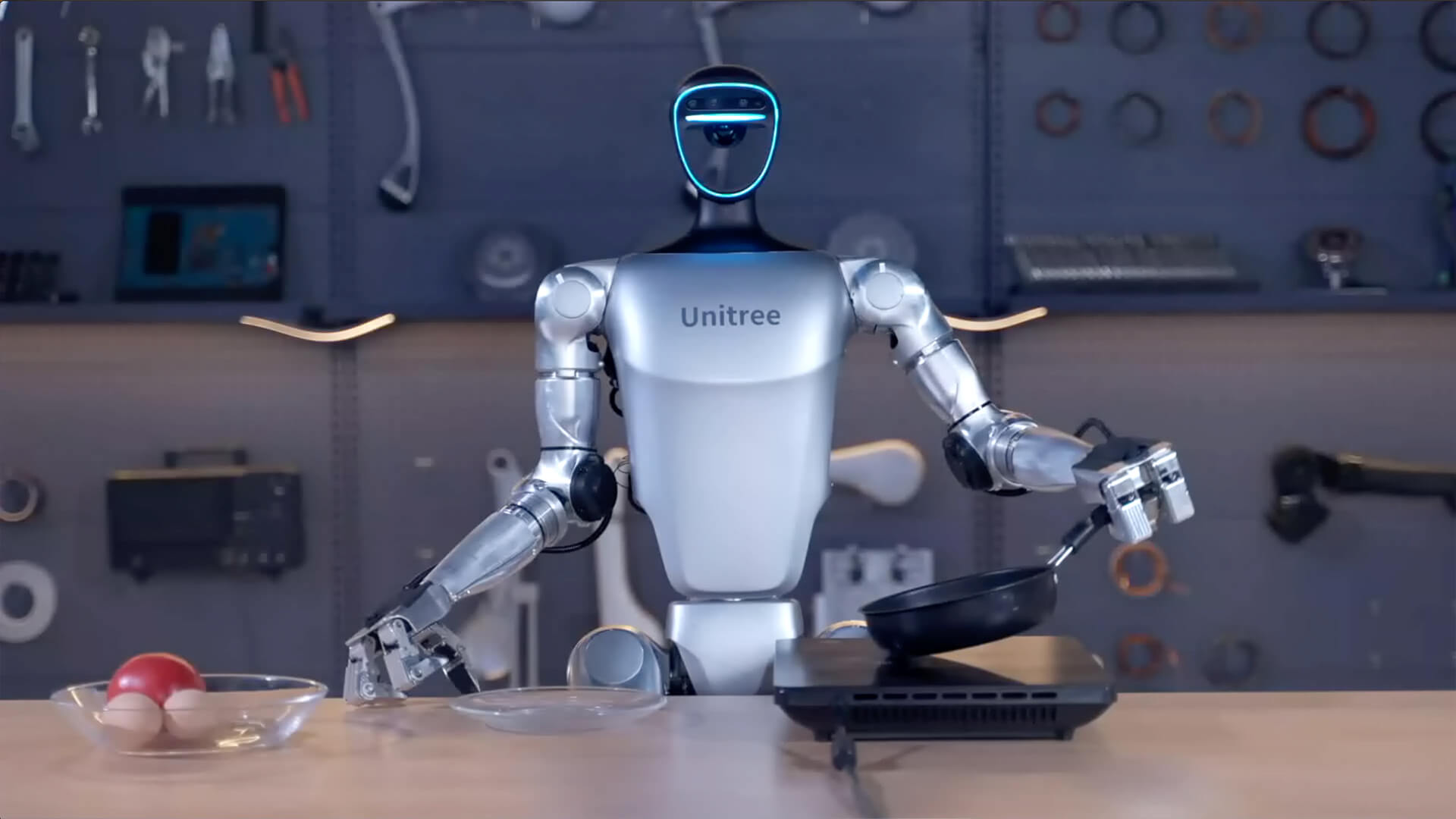
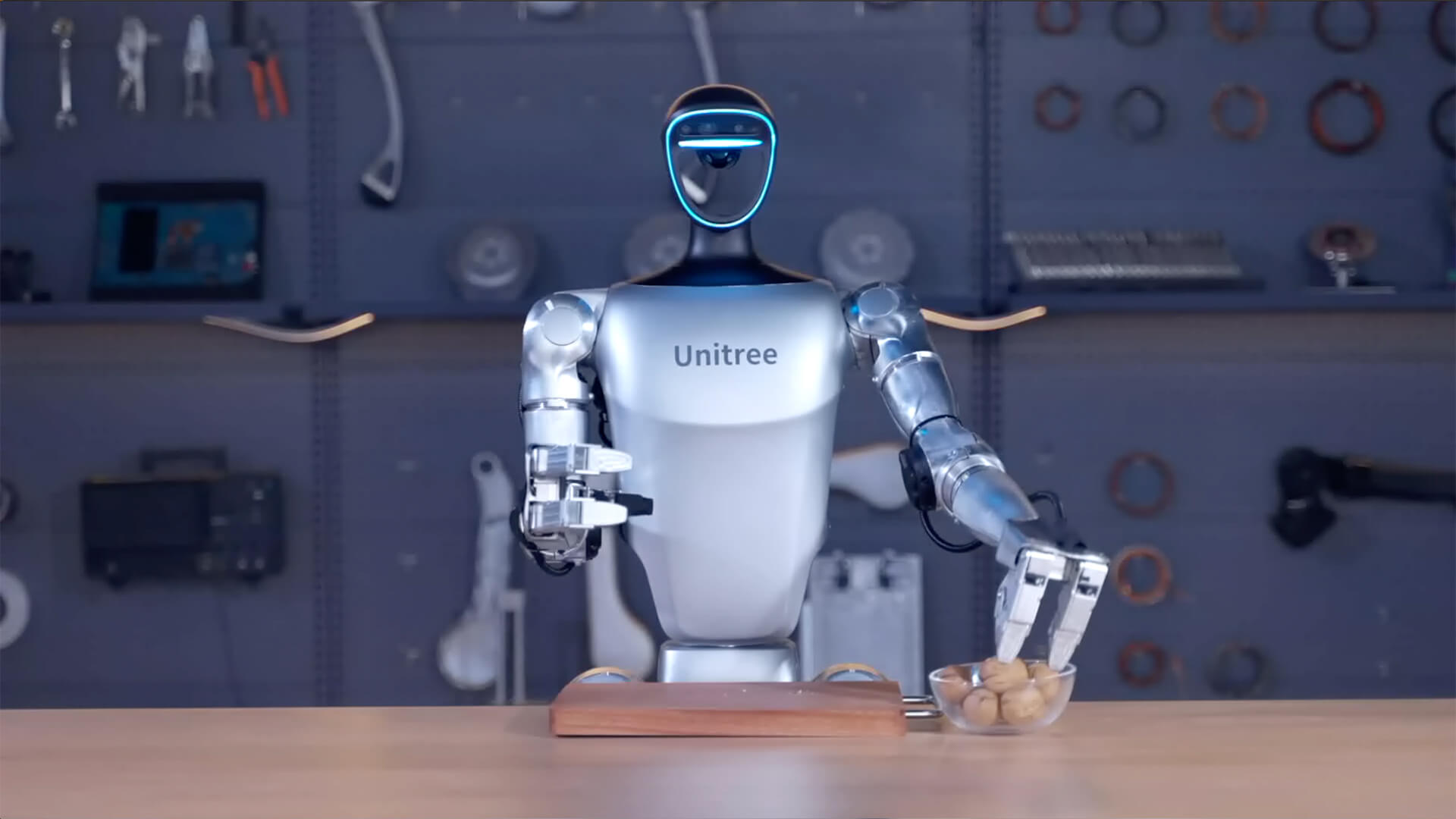
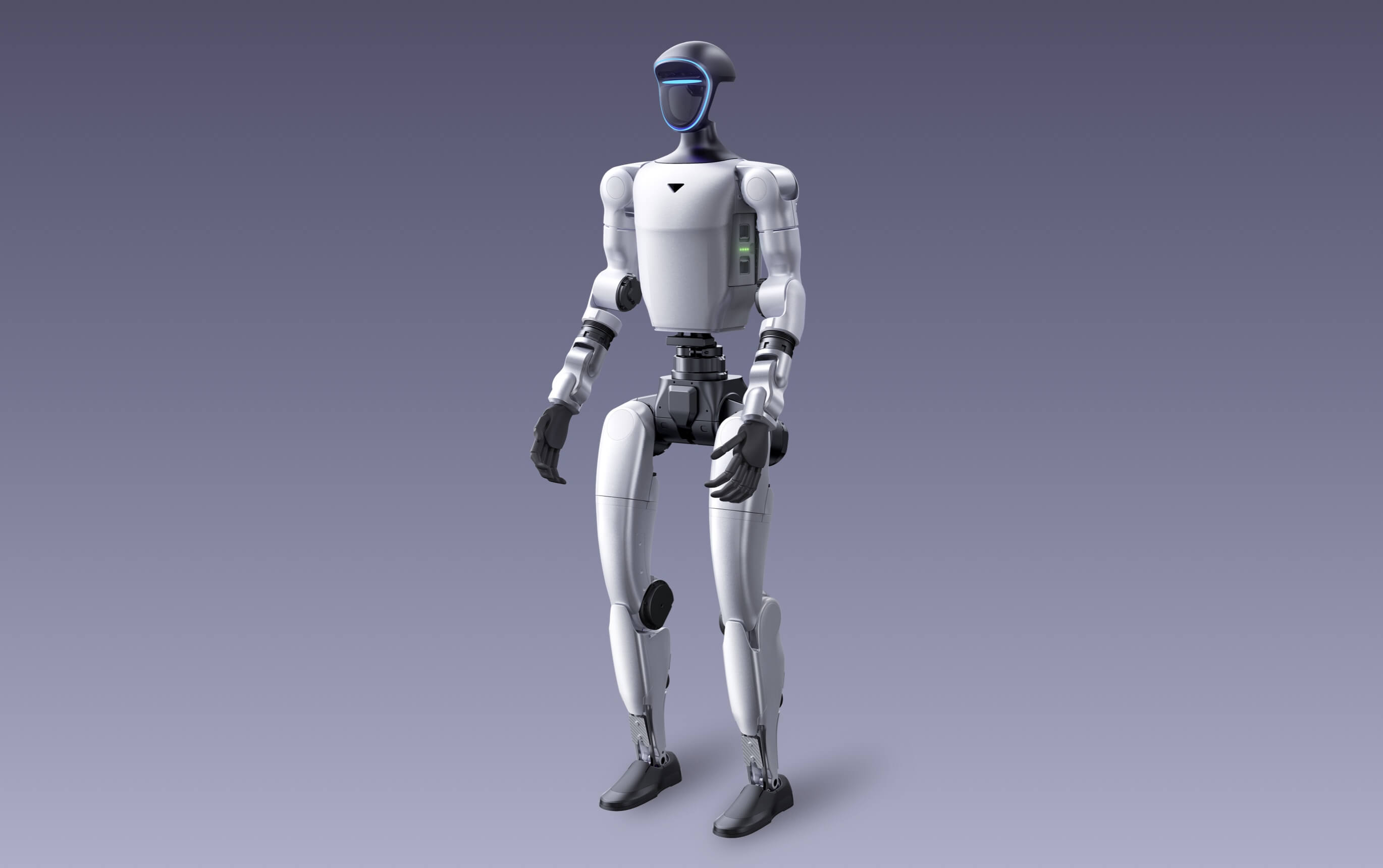
- Unitree G1 humanoid robot — Unitree Robotics
- Plant safety guidance — WorkSafe Victoria
Specifications, configurations, availability and manufacturer terms can change. Confirm the current product configuration and written quotation before ordering.