This analysis draws on the lead news report.
Humanoid Receptionist in Melbourne: Navigating Regulatory Shifts for Narre Warren Buyers
Today, 2026-11-11, marks a pivotal moment for the global robotics industry. According to Humanoids Daily (published 2026-11-02), Lightberry's Lumi has received a conditional exemption from the FCC's Covered List. This regulatory clearance is tied directly to a strategic plan to move manufacturing to the United States, signaling that independent FCC certification is the next hurdle before off-the-shelf sales begin.
For buyers in Melbourne and the Narre Warren region, this news highlights a critical distinction: regulatory approval does not equate to local availability or immediate commercial readiness. While the FCC's October 30 public notice confirms the exemption for Lumi, Lightberry CEO Ali Attar explicitly stated that "shipments" are expected "very soon" without providing a specific delivery date. This creates a complex landscape for Australian enterprises looking to deploy humanoid receptionists, requiring careful verification of supply chains and compliance pathways.
The Regulatory Hook: Why FCC Exemption Matters Now
The Humanoids Daily report details that the FCC granted Lumi a conditional exemption following a national-security review. However, this approval is not permanent; it remains subject to Lightberry's onshoring plan and continued product vetting. Failure to comply with these plans could terminate the approval.
For an Australian buyer, the implication is clear: a robot cleared by the US Department of War does not automatically mean it has passed Australian safety standards or that it will be physically present in a Narre Warren showroom. The FCC exemption allows Lightberry to apply for independent certification, but Attar noted this is still a step before "off-the-shelf customer sales." Buyers must distinguish between a device granted temporary clearance and one ready for immediate deployment in an Australian business.
Walking Biped vs. Social Robot: Defining the Receptionist
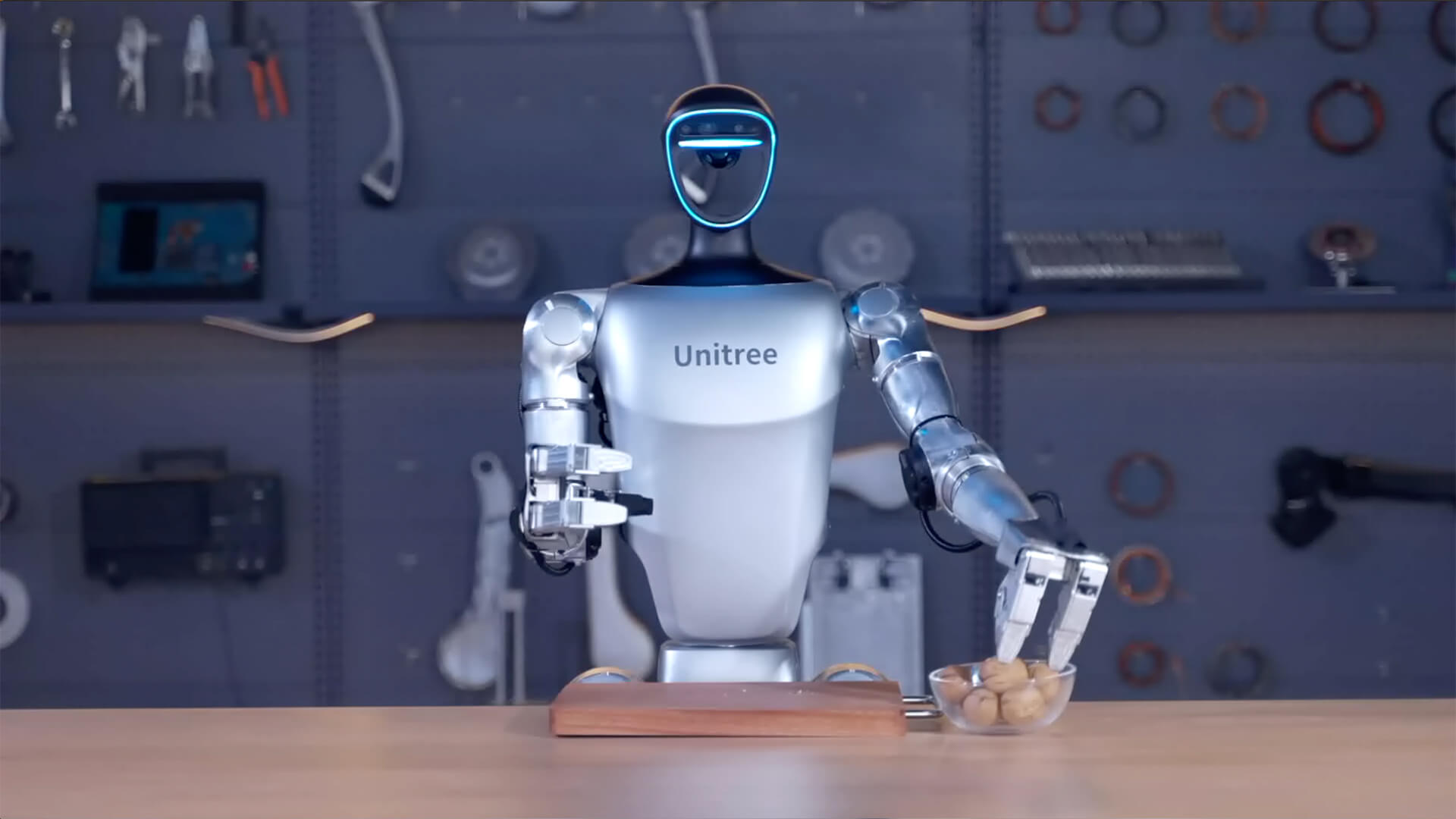
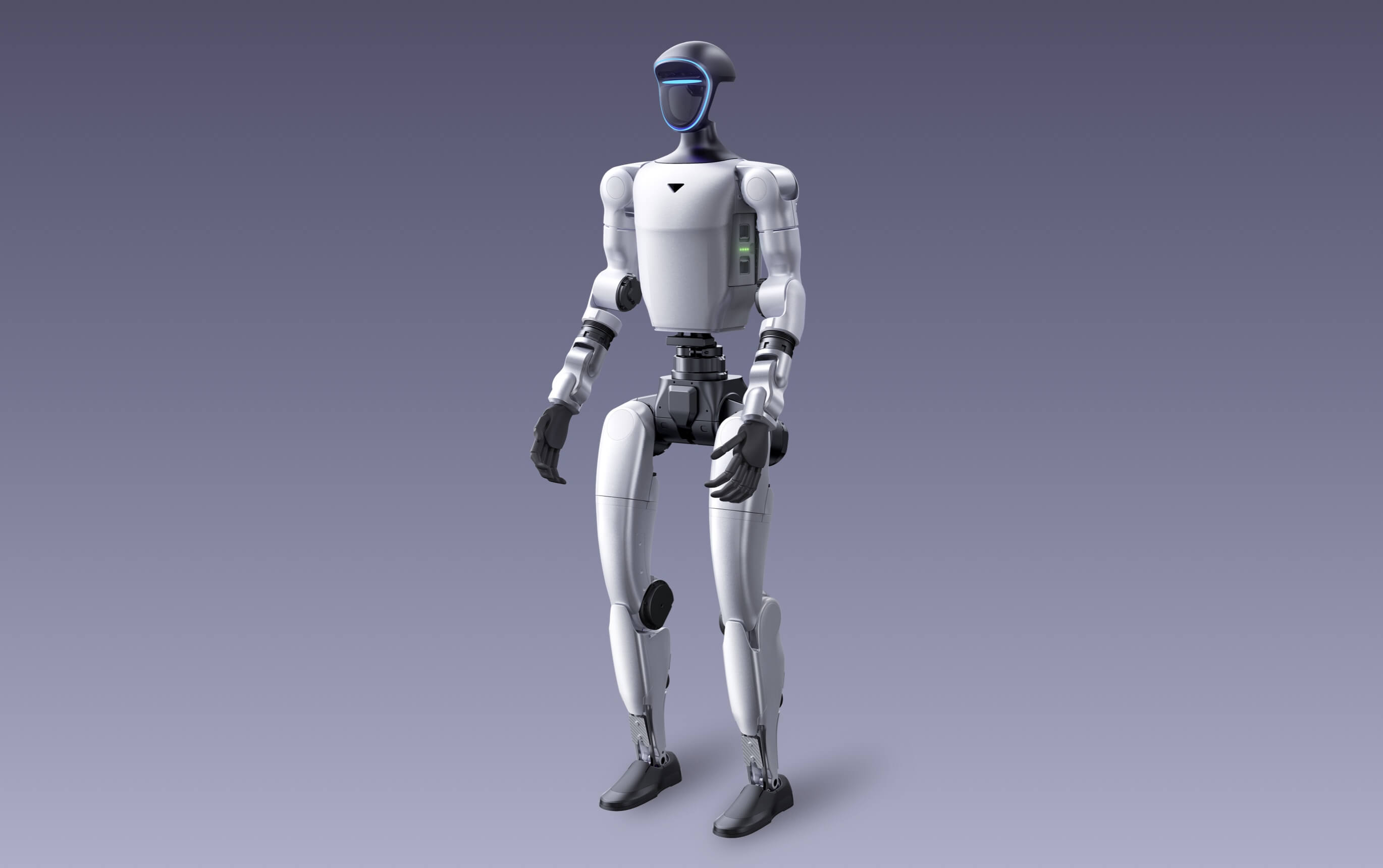
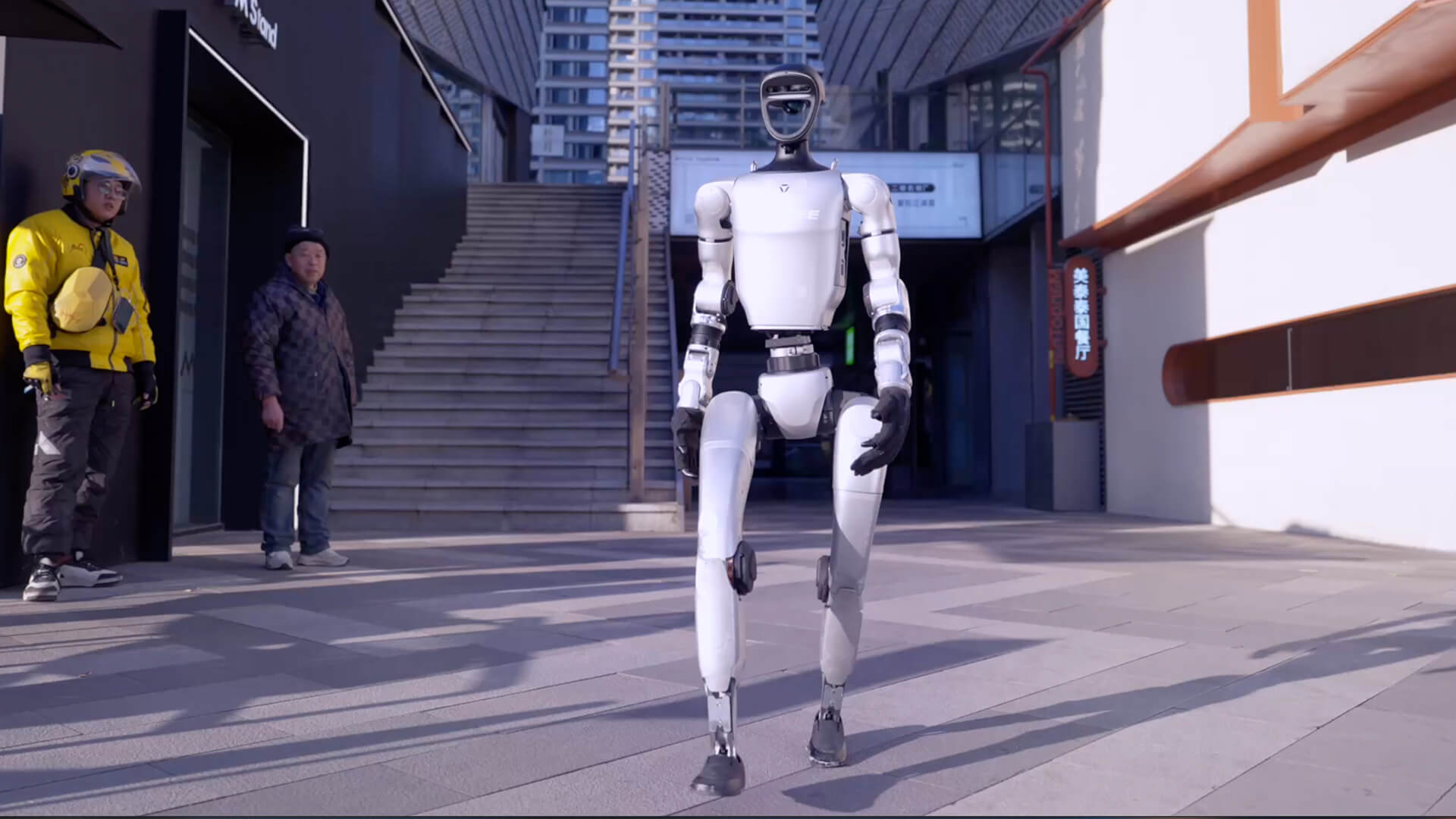
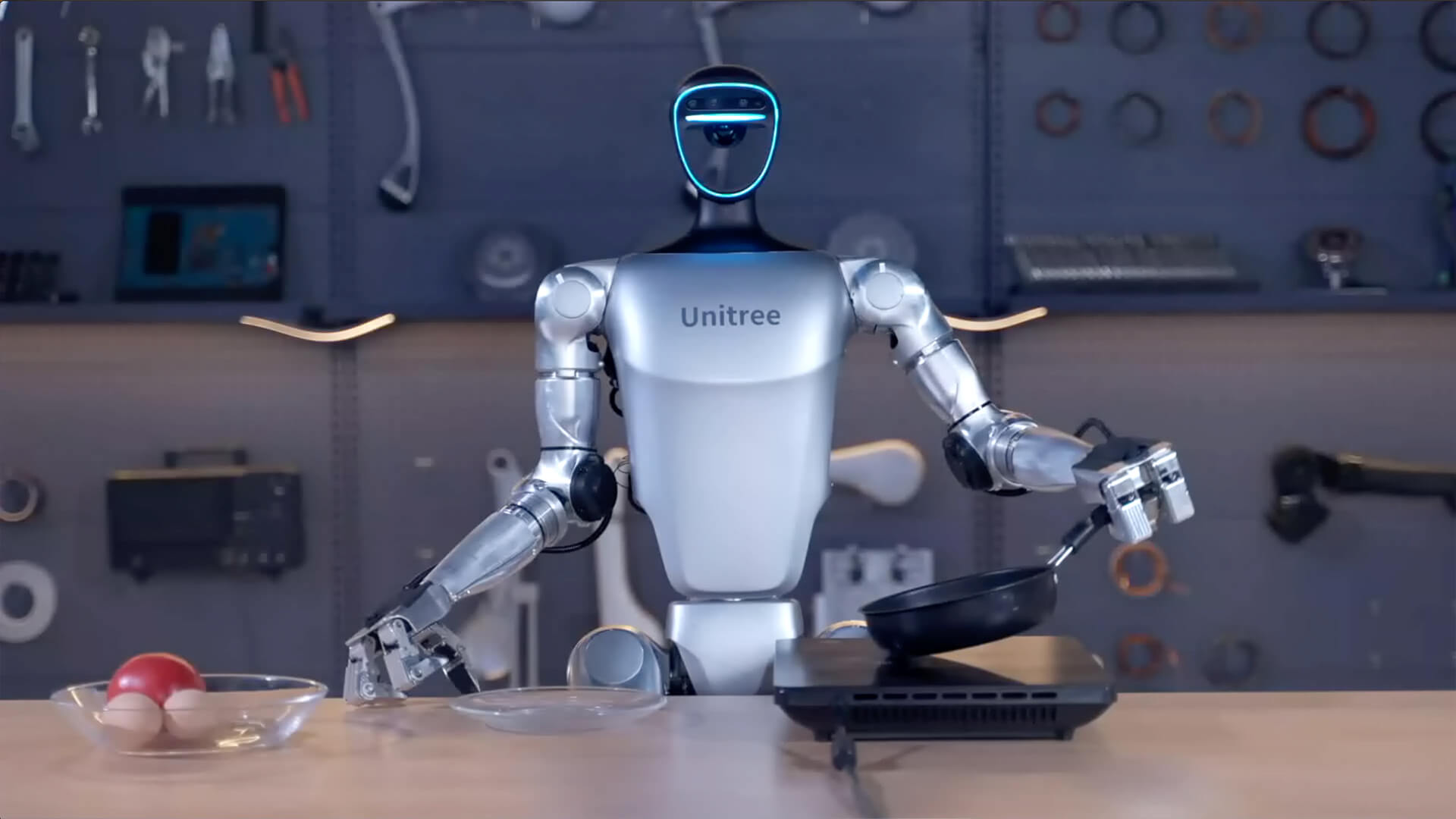
When considering a humanoid receptionist, buyers often confuse walking bipeds with social robots designed for interaction. The Unitree G1, as detailed on its official page, is a walking agent with 23 to 43 degrees of freedom per joint and force control dexterous hands. Its marketing focuses on "imitation & reinforcement learning" and creating a "robot world model." While impressive, the Unitree G1 parameters emphasize industrial-grade crossed roller bearings and high-torque joints (up to 120N.m) rather than conversational AI.
In contrast, SoftBank Robotics America describes its Pepper as a robot "designed for people" that brings the digital and real worlds together. Pepper's value proposition centers on personalized recommendations, handling routine tasks, and freeing human employees to focus on talent. Unlike the Unitree G1's raw mechanical power, Pepper is marketed for its ability to answer customer questions and gather data over conversations.
A key distinction for a receptionist role is mobility versus interaction. The Unitree G1 is a walking biped capable of extra-large joint movement space (waist Z±155°), whereas Pepper is often deployed in environments where social engagement is the primary function. Buyers must verify if their intended "receptionist" requires the complex gait of a biped or the conversational fluency of a social bot.
Local Safety Context: WorkSafe Victoria Precedents
These events underscore the Department of Education's and WorkSafe Victoria's stance on plant safety. While these incidents involve traditional machinery like forklifts and excavators, the introduction of autonomous humanoid robots raises similar questions about risk management. Buyers cannot assume that a robot cleared in Washington D.C. meets Australian workplace safety requirements. A proposed pilot program must include rigorous operator training and safety assessments specific to the local jurisdiction.
Verifying Configuration and Task Suitability
Before purchasing, buyers must move beyond marketing claims to verify exact configurations. The Unitree G1 page lists a folded height of 690mm and a weight of approximately 35kg with a battery. However, this does not confirm if the robot is configured for reception duties or heavy manipulation.
Buyers should ask suppliers:
- Intended Task: Is the robot trained for greeting, data entry, and directing visitors, or is it programmed for industrial handling?
- Exact Configuration: Does the unit include the specific sensors and software required for local compliance?
- Local Delivery: Can the supplier deliver to Narre Warren or South-East Melbourne within a reasonable timeframe?
- Operator Training: Is there a structured training program for staff to operate the robot safely around pedestrians?
The Humanoids Daily report notes that Lightberry is replacing Unitree's sensors, computer, and software with its own. This customization means the Lumi may not be compatible with existing local infrastructure without further vetting.
Scoping a Local Pilot Program
A practical approach for a Melbourne or Narre Warren buyer is to scope a limited pilot rather than committing to full-scale deployment immediately. A concise pilot could involve deploying a single unit in a controlled environment, such as a reception desk or a specific event space.
The pilot should be designed with a human fallback mechanism, ensuring that if the robot encounters an unexpected obstacle or safety issue, a human operator can take over instantly. As WorkSafe Victoria emphasizes safety and wellbeing, any autonomous system must have fail-safes that prevent harm to staff or visitors. The pilot phase allows buyers to test the robot's interaction protocols without risking significant capital or exposing the business to regulatory liability.
Distinguishing Hardware from Software Ecosystems
It is crucial to distinguish between the physical robot and the software ecosystem it runs on. SoftBank Robotics America highlights that Pepper helps employees focus on what matters by handling routine, repetitive tasks. However, this capability relies heavily on the underlying AI and connectivity infrastructure.
Buyers must verify if the supplier provides the booking or telephony software required to make the robot a functional receptionist. The Unitree G1 page mentions "Continuous OTA Software Upgrade," but it does not specify which applications are pre-installed for reception workflows. Buyers should request an itemised supplier quote that details the total landed cost, including any necessary third-party software licenses or API integrations.
Commercial Readiness vs. Demonstration Capabilities
The news from Humanoids Daily regarding Lightberry's Lumi is a demonstration of regulatory progress, not a guarantee of commercial readiness in Australia. The company expects to replace Unitree's foundation with its own design, starting with the body, head, and hands. This transition suggests that current stock levels may be limited or non-existent for Australian buyers.
Buyers must avoid assuming that overseas news implies local availability. A robot approved by the US Department of War does not mean it is stocked in a Narre Warren warehouse. KproApps, based in Narre Warren, offers an Australian quote and ordering pathway through its website, which can help navigate these complexities.
Next Steps for Buyers
To move forward, buyers should visit Explore humanoid robots in Australia to understand the current market landscape. For specific inquiries about intended use cases, such as a humanoid receptionist, it is essential to contact KproApps directly. By using Request a robot quote, buyers can obtain detailed specifications and pricing without making assumptions about availability.
Ultimately, the goal is to build a system that is safe, compliant, and effective. Whether considering a walking biped like the Unitree G1 or a social robot like Pepper, the focus must remain on verified capabilities and local support. For more information, please contact KproApps about your intended use and explore the website.
Explore humanoid robots in Australia Request a robot quote Contact KproApps
Frequently asked questions
Does the FCC exemption for Lightberry's Lumi mean it is available in Melbourne?
No. The Humanoids Daily report states shipments are expected 'very soon' but provides no date, and Australian availability remains unconfirmed.
What is the difference between a Unitree G1 and a Pepper robot for reception duties?
The Unitree G1 is a walking biped with high torque joints, while Pepper is designed for social interaction and handling routine tasks.
How can I ensure the robot meets WorkSafe Victoria safety standards?
You must verify operator training requirements, safety assessments, and local delivery capabilities rather than assuming overseas approval applies.
Sources and further reading
- Lightberry’s Lumi Gains Conditional FCC Covered List Exemption — Humanoids Daily (2026-11-02)
- Unitree G1 humanoid robot — Unitree Robotics
- Plant safety guidance — WorkSafe Victoria
- Pepper social robot — SoftBank Robotics America
Specifications, configurations, availability and manufacturer terms can change. Confirm the current product configuration and written quotation before ordering.