This analysis draws on the lead news report.
Humanoid Receptionists in Melbourne: What Buyers Need to Know Before Buying
Today, researchers in Sydney are refining how we measure whether a robot truly understands its own movement. A recent report highlights that a robot can repeat a movement convincingly while still getting its position wrong, creating a critical measurement problem for training autonomous systems [1]. This distinction between "better policy" and "more forgiving tests" is exactly what separates a laboratory demo from a receptionist system ready to handle walk-ins in a Melbourne office.
While the global robotics community buzzes over eight-hour factory shifts at automotive plants [2], local buyers in Narre Warren and south-east Melbourne face a different reality: they need reliable, safe, and integrated systems that do not rely on unverified autonomous navigation or complex calibration setups. The recent focus on optical motion capture underscores that successful-looking demonstrations do not guarantee hardware validation. For a receptionist application, this means distinguishing between a robot that can walk in a studio and one that can safely navigate a busy lobby without drifting.
The Lab vs. The Lobby: Understanding Commercial Readiness
The latest research emphasizes that training humanoids requires separating reference behavior from hardware validation [1]. In a lab, teams use optical motion capture to establish an independent reference, but this infrastructure is rarely available or practical for commercial reception workflows. A robot trained in a controlled environment may fail when encountering the variable lighting, floor textures, and unexpected obstacles of a public space.
Buyers must distinguish between demonstrated capability and commercial readiness. A factory demonstration showing two robots sorting parts for eight hours [2] does not automatically translate to a receptionist handling walk-ins autonomously. The lack of data on intervention rates, battery management, or human fallback protocols in such reports highlights the gap between trial footage and operational reliability.
Verifying Motion Capture vs. Real-World Navigation
The Sydney report details how inertial systems drift indoors without continuous camera visibility [1]. For a receptionist, this is a critical safety consideration. A wheeled social robot might rely on different sensors than a walking biped, but both require independent validation of their position estimation.
When evaluating potential suppliers for Narre Warren businesses, verify the following:
- Sensor Fusion: Does the robot use optical markers or inertial data that has been validated against ground truth?
- Indoor Navigation: Has the system been tested in environments with varying lighting and floor types?
- Drift Correction: What mechanisms prevent position drift over time during long shifts?
Social Robots: Pepper vs. Unitree G1 in Reception Roles
Two manufacturers have provided specific data points for social humanoid applications, though their use cases differ significantly.
SoftBank's Pepper is explicitly marketed as a robot designed for people, capable of making personalized recommendations and interacting with human teams [5]. While it excels at conversation and information retrieval, the supplied evidence does not confirm autonomous navigation or reception capabilities. Buyers must verify if Pepper can safely navigate a lobby independently or if it requires constant human supervision.
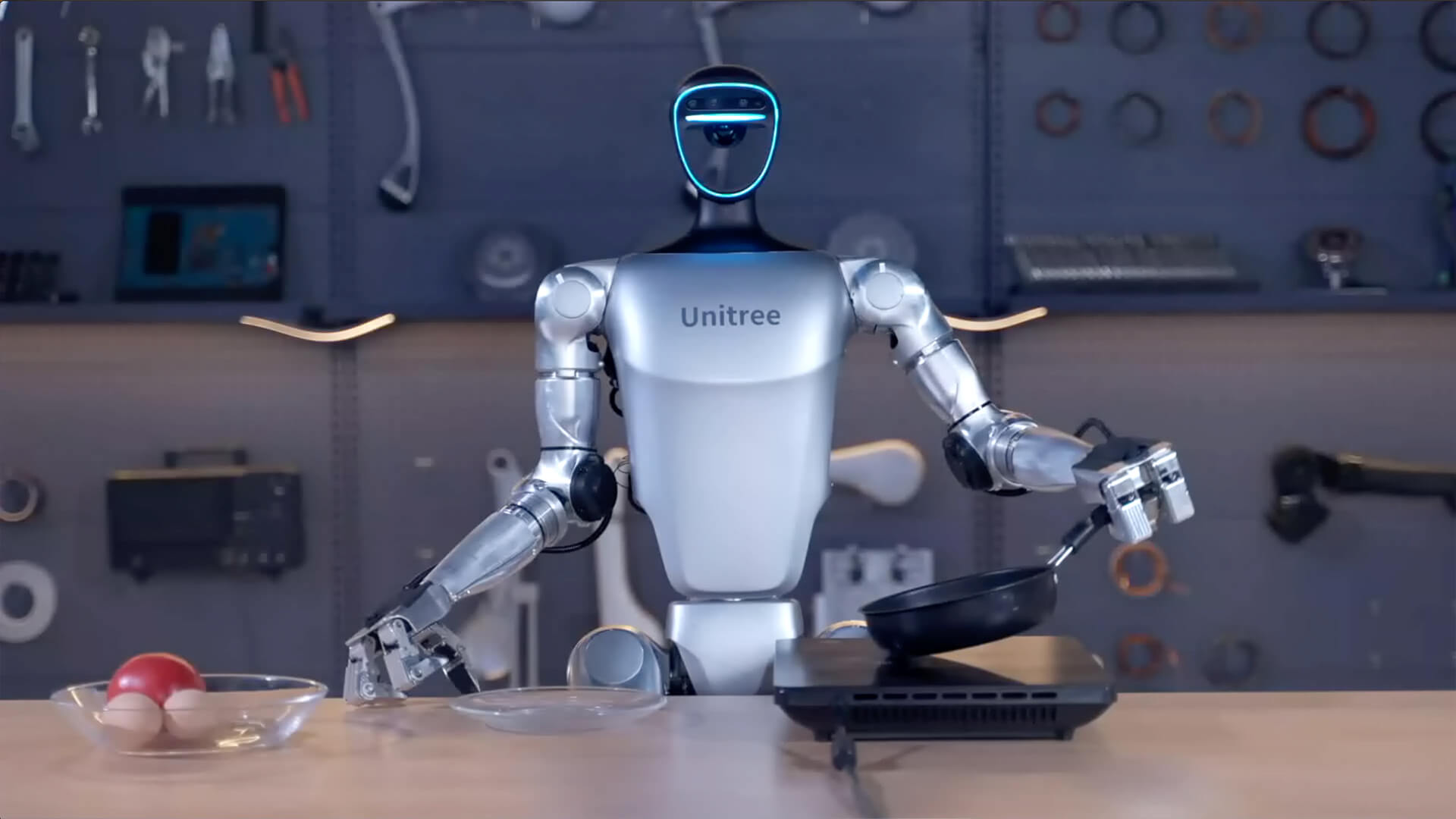
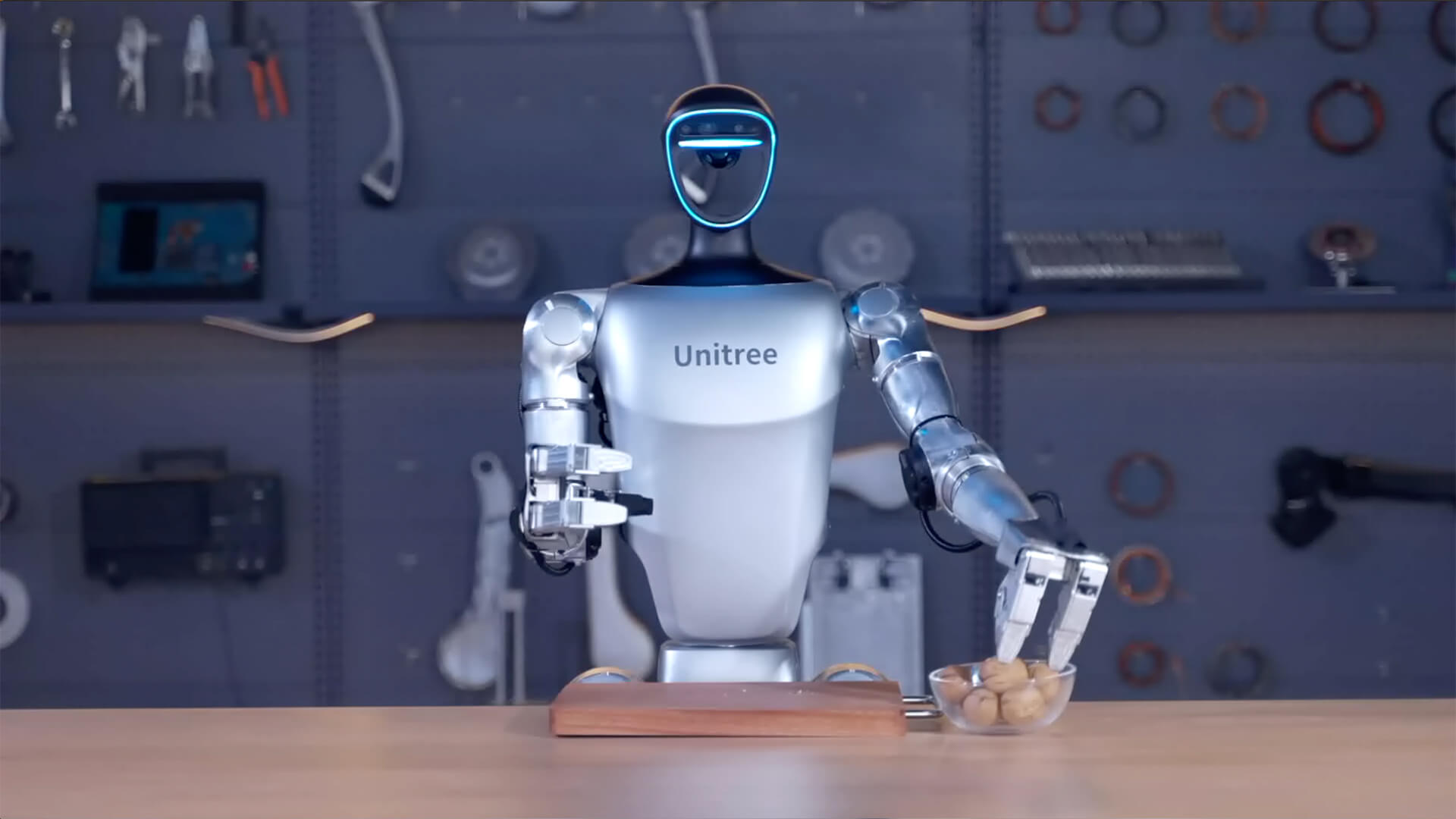
Unitree's G1 offers distinct mechanical advantages for manipulation tasks, featuring a dexterous hand and force-position hybrid control [3]. Its parameters include 23 to 43 joint motors and an arm span of approximately 0.45 meters. However, the Unitree page focuses on "imitation & reinforcement learning" and does not explicitly confirm deployment as a receptionist. The high degree of freedom allows for complex object manipulation, which could be useful for handling keys or brochures, but this capability must be paired with verified navigation skills.
Safety First: Lessons from WorkSafe Victoria
Safety is the non-negotiable baseline for any humanoid deployment in Victoria. Recent events involving forklifts and loading ramps have led to significant fines [4]. While these incidents involve industrial plant, they highlight a broader cultural shift toward rigorous safety assessments.
Before deploying any humanoid receptionist:
- Conduct a Site Risk Assessment: Identify pinch points, trip hazards, and high-traffic zones.
- Verify Emergency Stop Protocols: Ensure the robot can halt instantly upon detecting an obstacle or operator presence.
- Review Force Limits: Confirm that the robot's interaction forces are within safe limits for public contact.
Proposed Pilot Scoping: A Realistic Approach
A local pilot should not aim for full autonomy immediately. Instead, scope it as a supervised assistive role with a clear human fallback.
- Define the Task: Limit the robot to non-critical tasks like greeting visitors or handing out static information.
- Human-in-the-Loop: Ensure a staff member is always nearby to intervene if the robot encounters an obstacle.
- Controlled Environment: Deploy the pilot in a low-traffic area of the office before expanding.
- Data Collection: Record all interactions to analyze success rates and failure modes.
Key Questions for Your Supplier
When requesting a quote, do not accept marketing claims without verification. Ask specific questions regarding:
- Intended Task: Is this robot designed for reception, or is it being adapted?
- Local Delivery & Support: Can your Narre Warren team receive on-site training and maintenance?
- Operator Training: What certification is required to operate the system safely?
- Safety Assessment: Has the specific configuration been assessed by a local safety authority?
- Total Landed Cost: Include shipping, installation, software licensing, and potential service contracts.
Why Choose KproApps for Your Project
KproApps is based in Narre Warren and welcomes enquiries from Melbourne and south-east Melbourne. We understand that the gap between a research demo and a working receptionist is vast. Our approach focuses on practical implementation rather than theoretical capabilities.
Whether you are considering a social robot like Pepper for its conversational features or a manipulator like Unitree G1 for its dexterity, we help you navigate the complexities of procurement and deployment. We do not claim to stock every model globally, but we provide a clear pathway to verify what is available and feasible for your location.
Next Steps: Get Your Itemised Quote
To move from research to reality, you need an itemised supplier quote that breaks down configuration, delivery, and support costs. Do not rely on general pricing or assumed capabilities.
Request a robot quote to discuss your specific use case with our team. We will help you determine if a humanoid receptionist is the right fit for your business environment in Melbourne or Narre Warren.
References
- Robotics & Automation News: Precision Spatial Tracking for Autonomous Systems [https://roboticsandautomationnews.com/2026/11/09/precision-spatial-tracking-for-autonomous-systems-training-humanoid-robots-and-drones-with-optical-motion-capture/106784/]
- Humanoids Daily: Xiaomi Shows Humanoids Sorting Car Parts [https://www.humanoidsdaily.com/news/xiaomi-humanoids-eight-hour-auto-factory-sorting]
- Unitree Robotics: G1 Humanoid Robot [https://www.unitree.com/g1/]
- WorkSafe Victoria: Plant Safety Guidance & News [https://www.worksafe.vic.gov.au/plant]
- SoftBank Robotics America: Pepper Social Robot [https://us.softbankrobotics.com/pepper]
Explore humanoid robots in Australia for buying context.
Frequently asked questions
Can I buy a humanoid receptionist in Narre Warren today?
Commercial readiness varies by model. While units like Unitree G1 and Pepper exist, verify exact configuration, local delivery, and safety approval before purchasing.
Is an eight-hour factory demo the same as a receptionist system?
No. Factory demonstrations show repeatability but lack data on human intervention rates, battery management, or autonomous navigation reliability in public spaces.
What safety checks are required before deploying a humanoid robot?
Conduct a site risk assessment, verify emergency stop protocols, and ensure the robot's force limits are safe for public contact. Always plan for human fallback.
Sources and further reading
- Precision Spatial Tracking for Autonomous Systems: Training Humanoid Robots and Drones with Optical Motion Capture — Robotics & Automation News (2026-11-09)
- Xiaomi Shows Humanoids Sorting Car Parts in Eight-Hour Factory Demonstration — Humanoids Daily (2026-11-03)
- Unitree G1 humanoid robot — Unitree Robotics
- Plant safety guidance — WorkSafe Victoria
- Pepper social robot — SoftBank Robotics America
Specifications, configurations, availability and manufacturer terms can change. Confirm the current product configuration and written quotation before ordering.