This analysis draws on the lead news report.
Boston Dynamics Adds Wheels to Atlas: Implications for Victorian Robotics Buyers
Today, The Robot Report highlights a significant shift in robotics research as Boston Dynamics attaches wheels to its Atlas humanoid to test whole-body control. While the company explicitly states this is a "research testbed" rather than a commercial product, the implications for how Australian industries approach automation are profound. This development underscores a critical tension between experimental agility and the rigid safety requirements governing plant and machinery in Victoria.
The Research Testbed vs. Commercial Reality
The latest video from Boston Dynamics demonstrates an "experiment" where Atlas uses wheels to navigate unstructured terrain. Controls engineer Andy Wu explains that this merges classical motor control with whole-body reinforcement learning (RL). However, the distinction between a research prototype and a deployable asset is absolute here. Boston Dynamics has made it clear: "a wheeled Atlas isn't a product."
For buyers in Melbourne or Narre Warren, this serves as a crucial reminder that high-profile demonstrations often precede years of commercial refinement. The ability to switch between rolling and legged motion is impressive, but it does not guarantee the reliability required for industrial environments. As the industry moves toward "agentic robotics," where AI agents solve problems with code rather than just data, the focus shifts from raw sensor input to programmable logic that can be audited.
Safety Regulations and the 'Plant' Definition
In Victoria, the deployment of any automated system is governed by strict safety frameworks. WorkSafe Victoria defines "plant" to include machinery such as excavators, cranes, forklifts, and elevating work platforms. The recent conviction of a Melbourne south-east shopping centre following a forklift injury highlights the severity of these regulations.
Humanoid robots currently in development face the challenge of classification. If a robot is deemed "plant," it requires rigorous safety assessments, operator training, and compliance with plant machinery standards. Unlike the experimental nature of Boston Dynamics' wheeled Atlas, any robot deployed in a factory or warehouse must have its failure modes understood. The ability to mitigate unmodeled disturbances is vital, but so is ensuring the system does not introduce new hazards that violate Australian safety codes.
Agentic Robotics and Data Scaling
While The Robot Report focuses on physical control, IEEE Spectrum explores a parallel evolution in software: "agentic robotics." This approach leverages AI coding tools to write human-readable programs for robots, aiming to solve the data scaling problem. Traditional methods rely on massive datasets of human demonstrations, which can result in black-box algorithms that are difficult to understand or debug.
For a robotics team in Narre Warren, this distinction is vital. A robot controlled by a complex reinforcement learning policy may be agile but opaque. An "agentic" approach allows operators to define tasks through code, making the system's behavior predictable and verifiable. This aligns better with industrial needs where understanding the "why" behind a movement is as important as the movement itself.
Configuration Verification Before Purchase
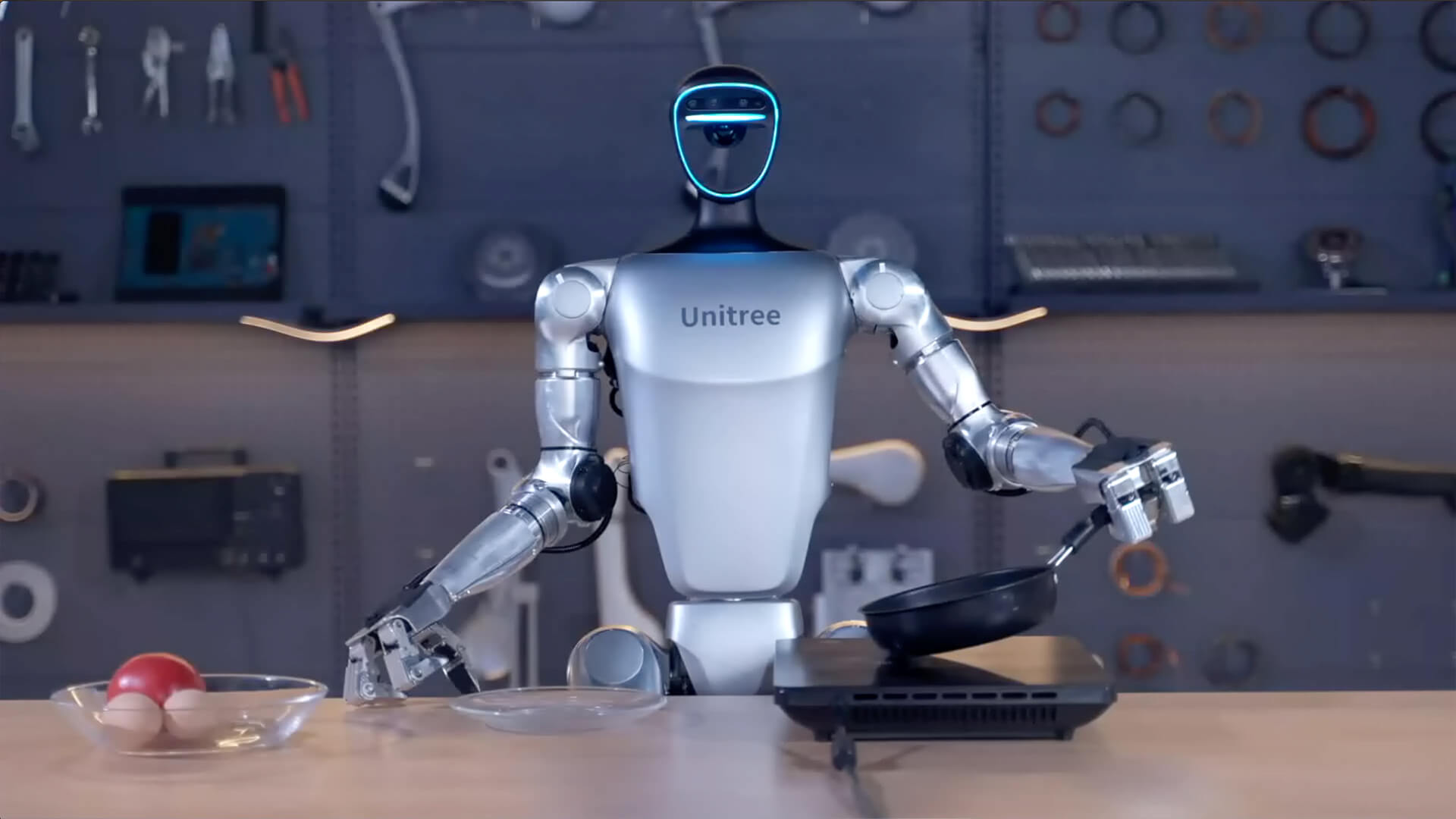
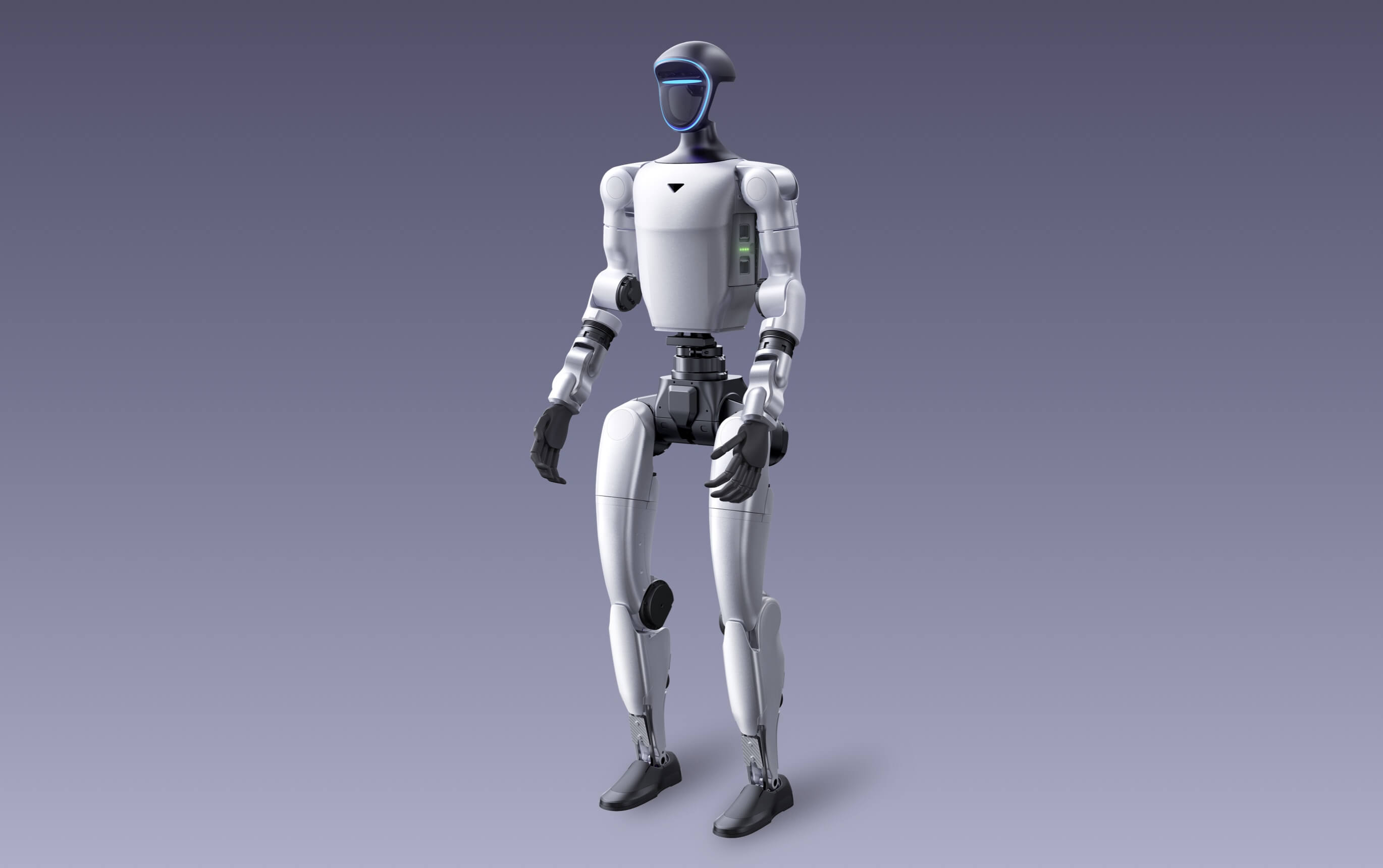
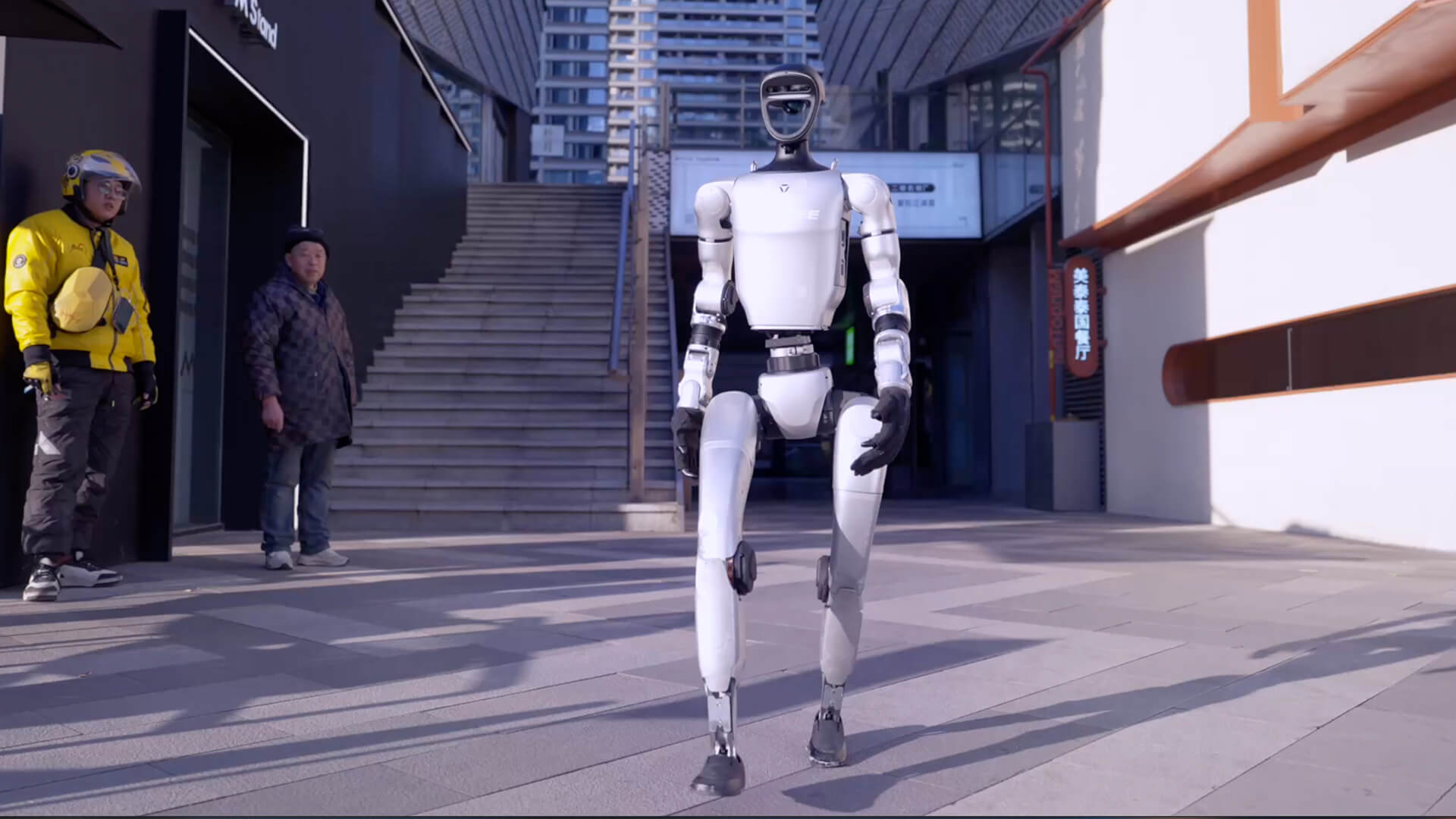
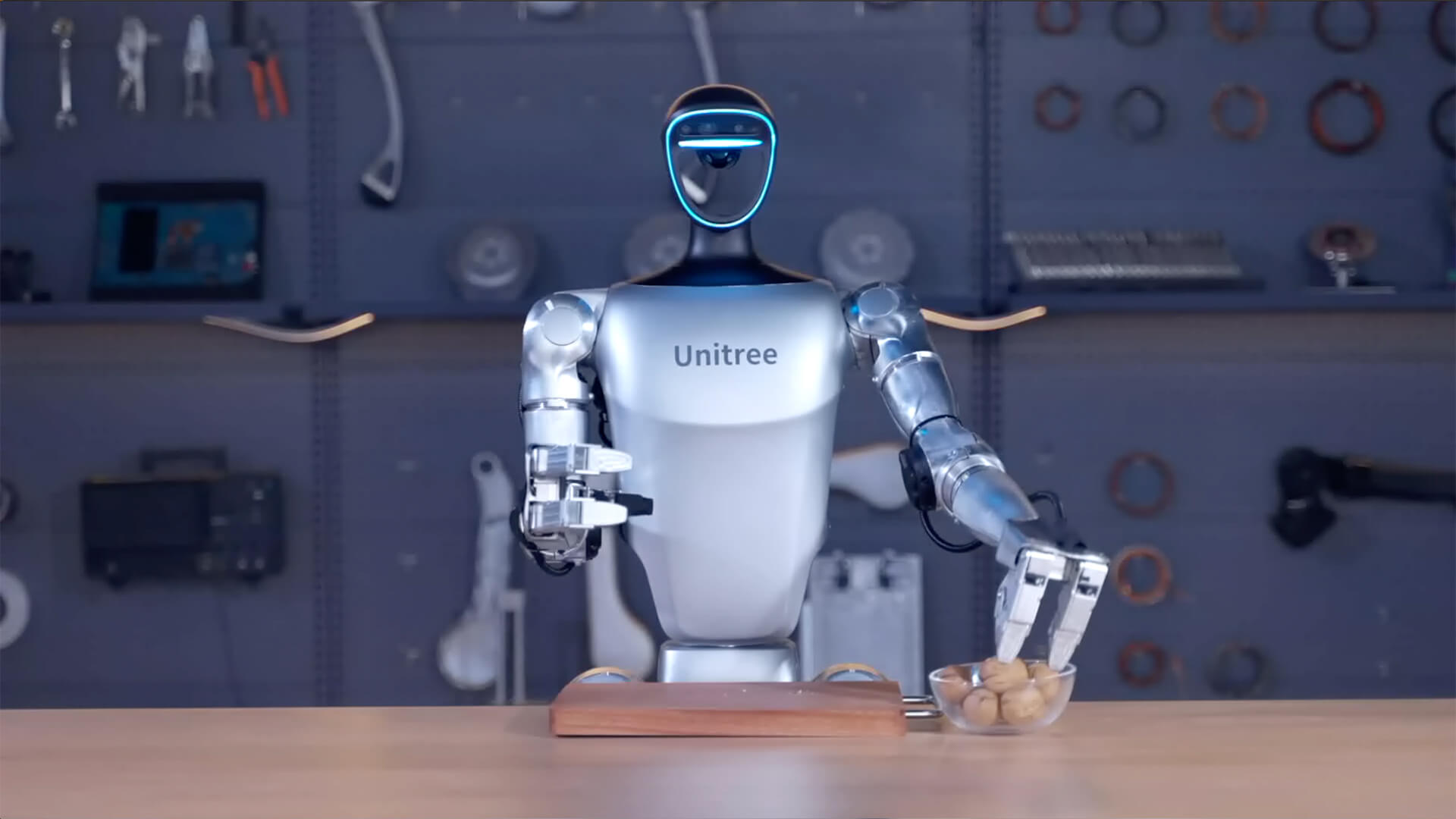
When evaluating humanoid robots for purchase, buyers must look beyond marketing claims about flexibility or joint range. The Unitree G1, for instance, offers extensive joint freedom and force control capabilities, but specific configurations matter more than general specs. Buyers should verify:
- Exact Configuration: Does the robot come with a standard hand, or is a dexterous force-controlled hand an optional add-on?
- Intended Task: Is the robot designed for manipulation, navigation, or a hybrid role? The Unitree G1 emphasizes "manipulation of all things," but its specific payload limits must match the job.
- Software Architecture: Does the system use open-source RL policies or proprietary agentic frameworks?
Local Delivery and Support Networks
The availability of support is often the deciding factor for regional buyers. While major manufacturers like Unitree and Boston Dynamics have global presence, local responsiveness in Melbourne and south-east Melbourne can be limited.
Buyers must ask:
- Is there a local partner capable of performing complex calibrations?
- Can the supplier provide on-site training for operators to handle safety-critical scenarios?
- What is the turnaround time for spare parts, especially for critical joints or actuators?
Total Landed Cost and Hidden Variables
The initial purchase price is only one component of the total cost of ownership. Qualitative factors often carry more weight than raw monetary figures in the long run.
- Maintenance Complexity: A robot that requires frequent software updates or delicate calibration can incur higher operational costs.
- Operator Training: The cost of training staff to safely interact with a novel platform is significant and varies by manufacturer.
- Safety Assessment Fees: Engaging third-party assessors to validate compliance with WorkSafe Victoria standards adds to the budget.
Scoping a Local Pilot Project
Before committing to a full-scale deployment, a local pilot can help de-risk the investment. A concise scoping phase should include:
- Task Definition: Clearly define the specific manual task the robot will replace or augment.
- Environment Analysis: Map the workspace to identify obstacles and terrain challenges similar to those tested in research labs.
- Safety Protocol Design: Establish clear boundaries and emergency stop procedures before testing begins.
- Performance Metrics: Define success criteria based on safety, efficiency, and reliability rather than just speed.
Next Steps for Buyers
The robotics landscape is evolving rapidly, with companies like Unitree accelerating AI integration and researchers pushing the limits of control theory. However, the path from a research video to a safe, compliant asset in an Australian factory requires careful due diligence.
For those researching options in Melbourne and Narre Warren, it is essential to engage directly with suppliers to understand their specific offerings. KproApps is based in Narre Warren and welcomes enquiries from Melbourne and south-east Melbourne regarding intended use cases. We encourage readers to Explore humanoid robots in Australia to see what is currently available locally.
To move forward, please Request a robot quote or contact KproApps to discuss your project requirements. Our team can help you navigate the complexities of procurement, ensuring you select a solution that meets both your operational goals and safety obligations.
Frequently asked questions
Are humanoid robots currently approved for use in Victorian industrial plants?
Regulatory approval depends on classification as 'plant'. Buyers must verify compliance with WorkSafe Victoria standards before deployment, as recent incidents highlight the risks of unregulated machinery.
What is the difference between research testbeds and commercial products?
Research models like Boston Dynamics' wheeled Atlas prioritize experimental agility over reliability. Commercial products must meet strict safety, durability, and operational consistency requirements.
How can I verify if a robot is suitable for my specific task in Melbourne?
Request an itemised supplier quote detailing exact configuration, joint range, software architecture, and support capabilities to ensure the robot matches your intended application needs.
Sources and further reading
- Boston Dynamics adds wheels to Atlas humanoid to test whole-body control — The Robot Report (2026-11-09)
- Can Agentic Robotics Solve Robotics’ Data Scaling Problem? — IEEE Spectrum (2026-11-09)
- Unitree G1 humanoid robot — Unitree Robotics
- Plant safety guidance — WorkSafe Victoria
Specifications, configurations, availability and manufacturer terms can change. Confirm the current product configuration and written quotation before ordering.