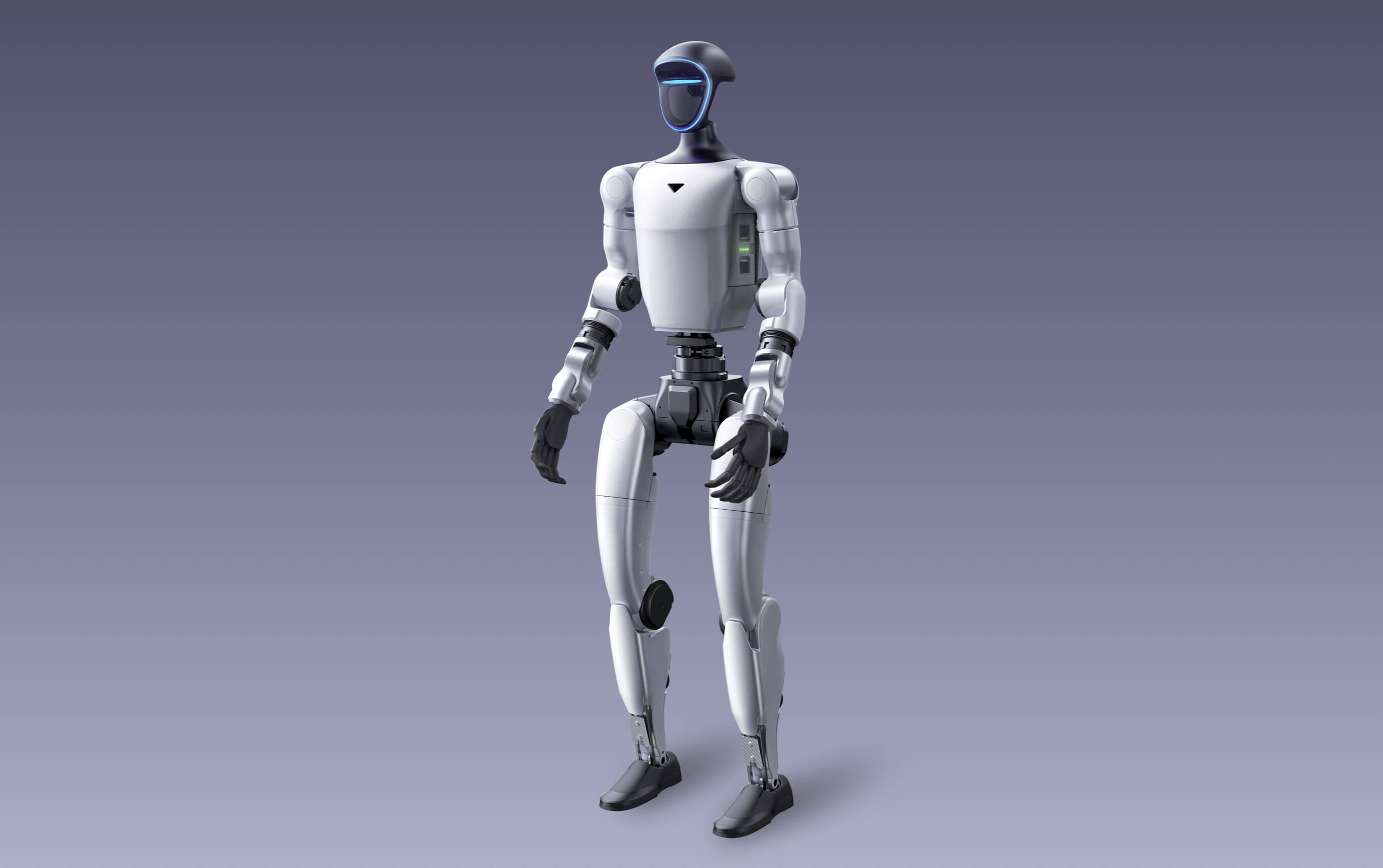
Humanoid Robots in Melbourne: What the Sydney AI Shift Means for Narre Warren Buyers
The narrative around humanoid robotics has shifted dramatically, moving from science fiction to a practical partnership between humans and machines. A recent report highlights that rapid advances in artificial intelligence are transforming these robots from experimental curiosities into reliable helpers on factory floors, directly addressing fears of displacement by positioning them as collaborative tools The Robot Report.
For robotics teams and businesses operating in Melbourne, Narre Warren, and south-east Victoria, this development signals a move toward greater autonomy and versatility. However, the transition from demonstration to commercial readiness requires careful consideration of configuration, safety, and operational support. This analysis explores what the latest industry trends mean for local buyers and provides a framework for scoping a successful pilot.
The Shift From Demonstration to Industrial Utility
The global race to develop humanoid robots capable of performing human work is accelerating, driven by AI that allows machines to learn through demonstration rather than rigid manual programming. Leading manufacturers are now deploying robots that can autonomously perform complex tasks like sorting and assembling without constant human intervention.
This evolution is not limited to a single region or brand. While major players in the US and Asia lead the charge with advanced models, the underlying technology of AI-driven learning is becoming a universal standard. The key takeaway for Australian buyers is that the "wow" factor of these robots is giving way to their practical utility in industrial settings. Companies are no longer just building machines that look like humans; they are engineering systems that understand physical interaction and can adapt to dynamic environments.
Understanding Different Robot Architectures
Not all humanoid robots are built the same, and understanding the distinction between full humanoids and alternative architectures is crucial for a Melbourne or Narre Warren buyer. Some manufacturers are focusing on fully articulated bipedal forms that mimic human gait, while others are exploring semi-humanoid designs that prioritize manipulation capabilities over complex walking.
For instance, some industrial robots concentrate their joints in the arms, waist, and head to lift loads up to 20 kg, offering a different approach to mobility than traditional bipedal designs. Others combine wheeled and legged locomotion to navigate uneven terrain, allowing them to switch between modes depending on the environment. This diversity means that buyers should not assume all robots require human-like walking; the specific task often dictates the optimal design.
Key Capabilities To Verify With Your Supplier
Before committing to a purchase, buyers must verify exact capabilities against their intended tasks. A robot's ability to perform a specific action is distinct from its commercial readiness for continuous operation.
When evaluating potential suppliers, ask about the following:
- Exact Configuration: Confirm the number of degrees of freedom, joint motor types, and payload capacity. For example, some models offer optional force control dexterous hands that can simulate human hands for precise object manipulation.
- Intended Task: Ensure the robot's training data aligns with your specific workflow. Machines trained via supervised learning using virtual reality headsets to mimic human movements may excel at certain tasks but might struggle with others, such as pouring a cup of coffee.
- Local Delivery and Support: Verify if the supplier offers local delivery options and after-sales support within Victoria or NSW.
- Operator Training: Confirm whether training programs are available for your team to operate the robot safely and effectively.
- Safety Assessment: Ensure the robot complies with Australian safety standards, particularly regarding force control and interaction with human operators.
The Importance of Safety and Regulatory Compliance
Safety remains a paramount concern in industrial robotics. Recent incidents involving plant and machinery have underscored the need for rigorous safety assessments before deploying new technologies in workplaces.
Buyers should consult relevant state regulations to understand the requirements for integrating autonomous mobile robots into existing facilities. This includes ensuring that force control systems are calibrated correctly to prevent injury during interaction with human operators. Additionally, verifying that the robot's software updates and hardware components meet current industrial standards is essential for maintaining a safe working environment.
Scoping Your Local Pilot Project
To determine if a humanoid robot fits your operation, start by defining clear objectives and constraints for a local pilot project. A well-scoped pilot can help validate the robot's capabilities without committing to large-scale deployment costs.
A concise approach involves identifying a specific task where automation could provide value, such as repetitive lifting or inspection. Define success metrics, including efficiency gains, error reduction, and safety improvements. Engage with potential suppliers to discuss how their robots have been trained for similar tasks and request data on performance in comparable environments. This structured process ensures that the pilot addresses real operational challenges rather than serving as a mere showcase.
Total Landed Cost Considerations
The total cost of ownership extends far beyond the initial purchase price. Buyers must consider ongoing costs such as software upgrades, maintenance, operator training, and energy consumption.
Some models offer continuous OTA (over-the-air) software upgrades, which can enhance capabilities over time but may incur subscription fees or require technical expertise to manage. Additionally, factors like cooling systems, joint motor efficiency, and battery life impact long-term operational costs. Conducting a total landed cost analysis helps buyers understand the full financial commitment required to integrate these robots into their business.
Exploring Options Through KproApps
For those seeking guidance on navigating this evolving landscape, KproApps offers an Australian quote and ordering pathway through its website. Based in Narre Warren, KproApps welcomes enquiries from Melbourne and south-east Melbourne businesses looking to explore the possibilities of humanoid robotics.
To find a robot that fits your specific needs, visit Explore humanoid robots in Australia or Request a robot quote. Our team is ready to assist you in understanding the capabilities and requirements of different models.
Next Steps for Buyers
The future of industrial automation looks promising, but it requires informed decision-making. The latest trends suggest that humanoid robots will increasingly serve as collaborative partners in the workplace. For businesses in Melbourne and Narre Warren, the key is to approach this transition strategically, focusing on practical applications and safety compliance.
Ready to take the next step? Contact KproApps today to discuss your intended use case and explore how our resources can support your robotics journey. Visit contact KproApps for more information.
Frequently asked questions
Are humanoid robots already ready for commercial use in Australian factories?
While some models demonstrate advanced capabilities, full commercial readiness varies by manufacturer and task. Buyers should verify specific configurations and safety compliance before deployment.
How do I know if a robot is suitable for my specific industrial task?
Request detailed capability data from suppliers, including training methods and performance metrics. Ensure the robot's design aligns with your intended workflow requirements.
What safety considerations should I verify before deploying a humanoid robot?
Confirm compliance with Australian plant and machinery regulations, including force control systems and operator training protocols to ensure workplace safety.
Sources and further reading
- The rise of the machines is canceled: Why humanoids with AI are helpers, not enemies — The Robot Report (2026-10-17)
- Pudu expands beyond service robots into semi-humanoids and quadrupeds — Robotics & Automation News (2026-10-16)
- Unitree G1 humanoid robot — Unitree Robotics
- Plant safety guidance — WorkSafe Victoria
Specifications, configurations, availability and manufacturer terms can change. Confirm the current product configuration and written quotation before ordering.