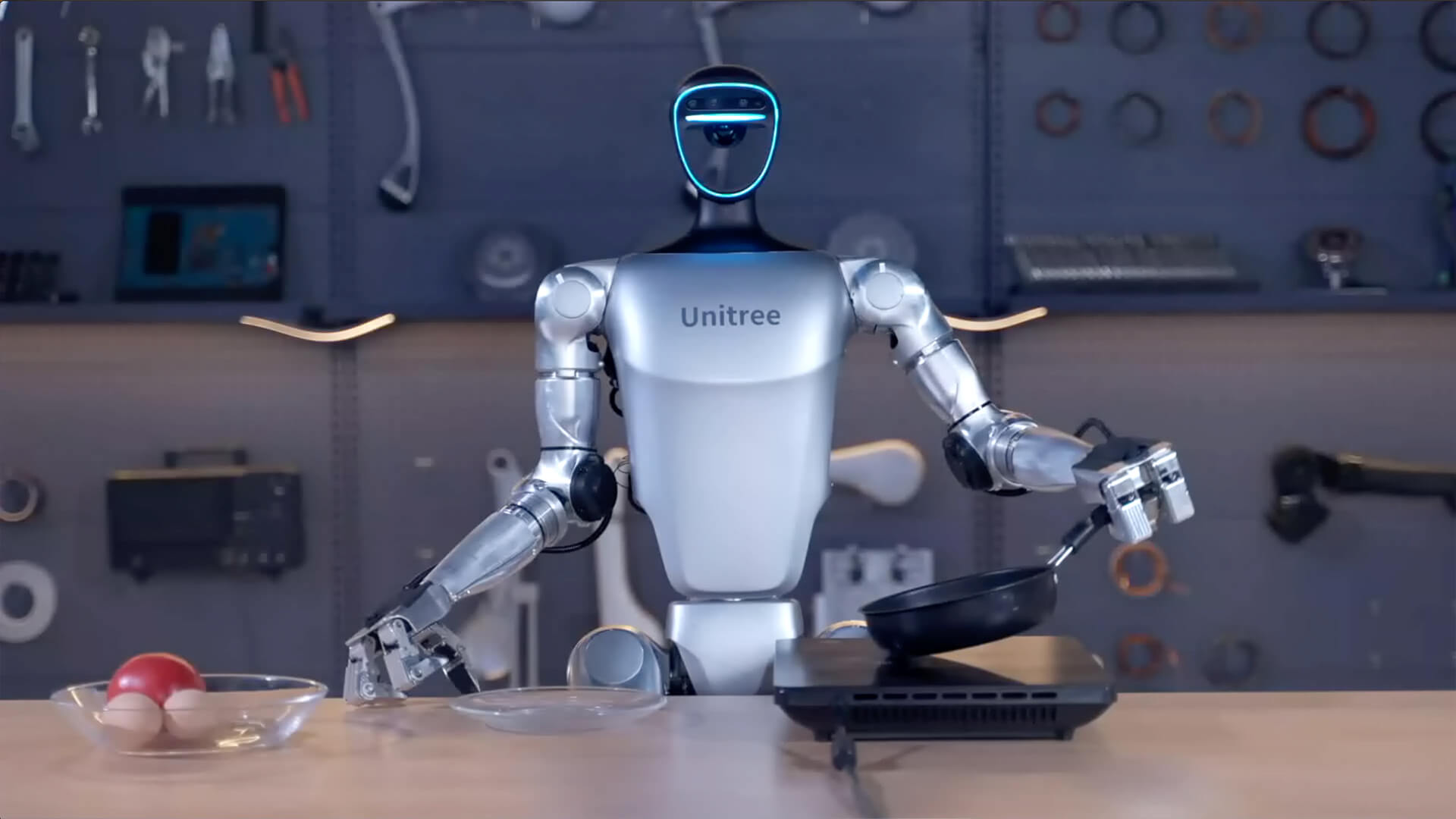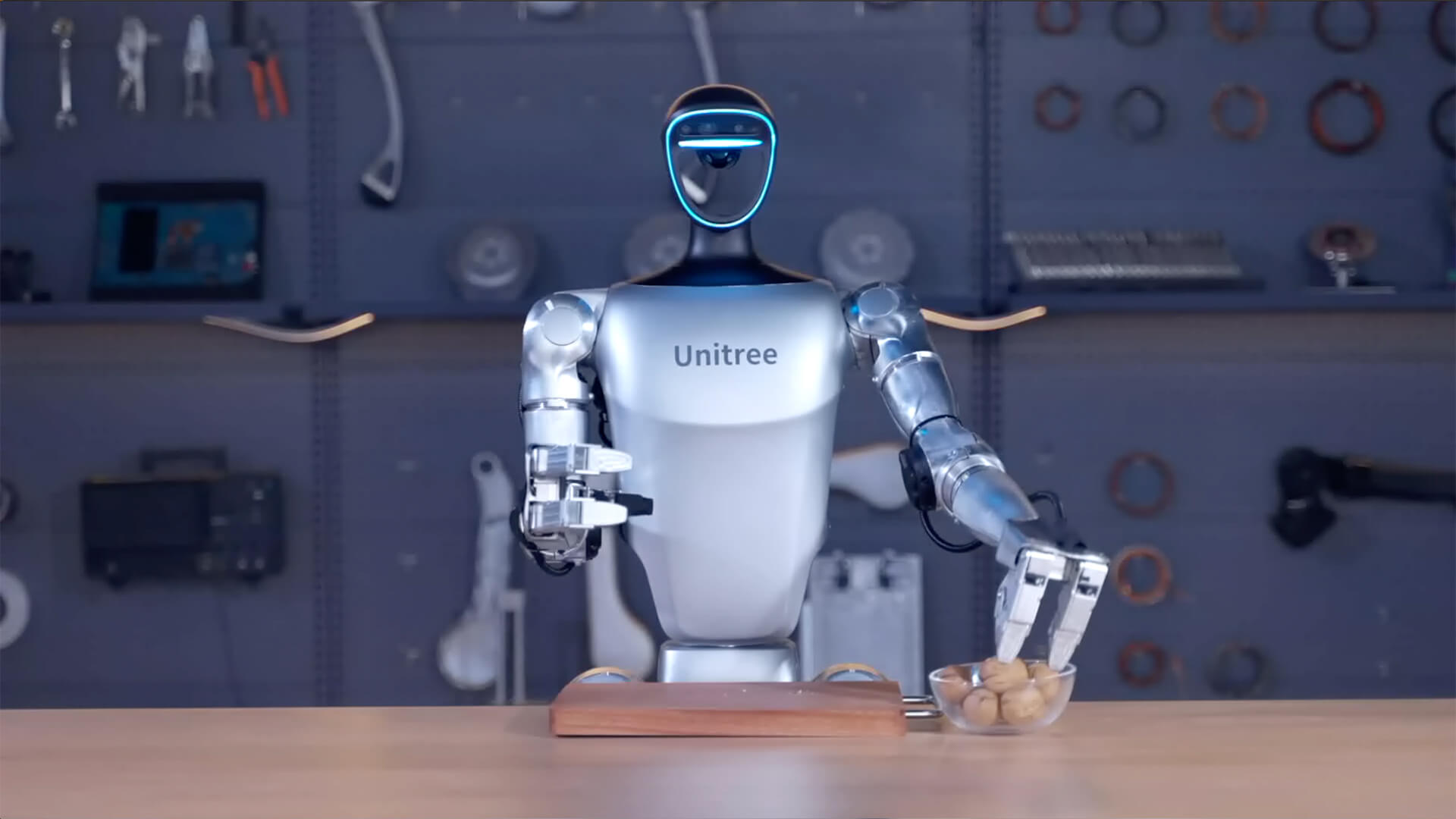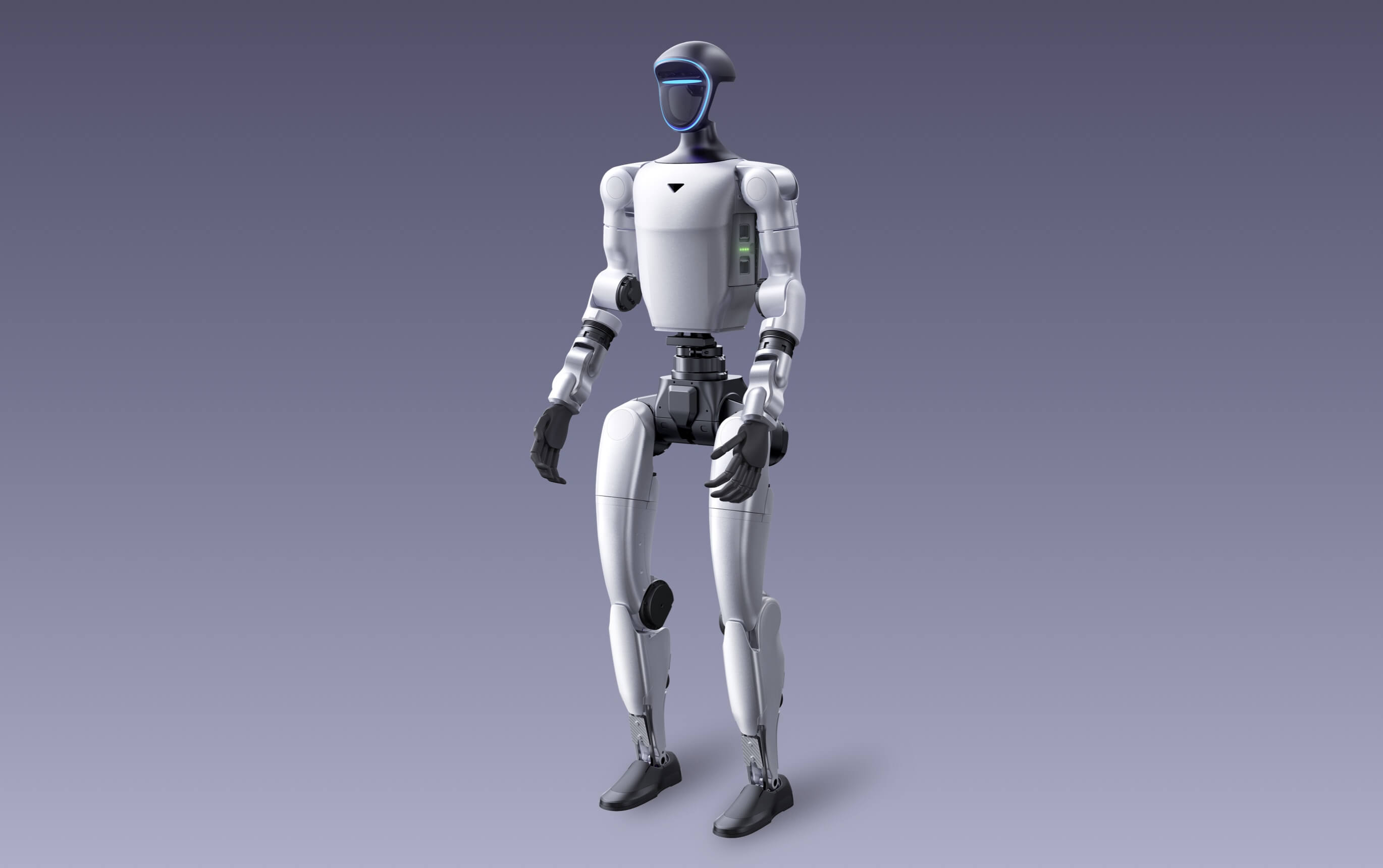
Humanoid Robots in Melbourne: Navigating the Global Race from Narre Warren
Today, November 10, 2026, marks a pivotal moment for the global robotics sector. Oversonic Robotics is accelerating its international footprint, bringing its industrial RoBee R20 to major European technology hubs in Munich and Lisbon. This expansion underscores a broader industry trend where cognitive humanoid robots are moving from research labs into real-world manufacturing environments, operating alongside human personnel with advanced safety protocols.
For robotics teams and businesses across Melbourne, Narre Warren, and south-east Victoria, this development signals that the era of experimental prototypes is giving way to deployed industrial assets. However, as the market matures, distinguishing between demonstrated capability and commercial readiness remains critical for buyers seeking reliable automation solutions.
The Global Context: From Munich to Melbourne
The recent deployment of the RoBee R20 in Munich's electronica exhibition demonstrates that European manufacturers are successfully integrating cognitive robotics into complex factory settings. These machines are designed to handle repetitive, physically demanding tasks while operating in ISO Class 6 controlled environments, a standard essential for semiconductor manufacturing.
While this news originates from Europe, it reflects a global convergence of technology trends. Simultaneously, the US market is witnessing significant corporate milestones, such as Agility's listing on Nasdaq and NVIDIA unveiling advanced models like GR00T 2. These parallel developments suggest that the infrastructure for humanoid integration is being built simultaneously across continents.
For an Australian buyer, this means the supply chain is becoming more interconnected. However, it also requires a shift in mindset: buyers must no longer view these robots solely as novelty items but as critical industrial tools requiring rigorous safety assessments and operational training.
Commercial Readiness vs. Demonstrated Capability
A key takeaway from recent industry events is the distinction between a robot performing tasks in a demo environment and its readiness for daily commercial use. The RoBee R20, for instance, has been deployed in real industrial environments across Europe since 2023, showcasing its ability to adapt to operating conditions.
In contrast, many other humanoid platforms are still in the validation phase. Buyers should not assume that a robot capable of walking or grasping an object in a video is commercially ready for their specific workflow. Commercial readiness involves factors beyond motion: software stability, maintenance requirements, and integration with existing factory systems.
When evaluating options, ask suppliers to provide evidence of long-term operation rather than just exhibition footage. This includes data on uptime, failure rates, and the time required for initial setup and operator training.
Safety Standards and Local Regulations
Safety is the non-negotiable foundation of any industrial robotics deployment. In Victoria, WorkSafe Victoria has recently issued significant fines for safety breaches, including a $60,000 penalty for a forklift incident in Melbourne's south-east. These regulatory actions highlight the strict environment in which Australian businesses operate.
Humanoid robots must be evaluated against local plant and machinery standards. Unlike some international markets where regulations may vary, Victoria maintains robust safety guidelines for equipment used in industrial settings. Buyers must ensure that any proposed robot complies with these standards before deployment.
Key safety considerations include:
- Collaborative Design: Robots must be designed to interact safely with human personnel.
- Environmental Control: Capabilities to operate in controlled environments (e.g., ISO Class 6) are relevant for specific sectors like clean manufacturing.
- Operator Training: Adequate training is required to ensure safe interaction between humans and machines.
Critical Due Diligence for Buyers
Before committing to a purchase, buyers should verify several critical aspects with their supplier. Relying on marketing materials alone can lead to costly mistakes.
Exact Configuration and Specifications
Verify the exact configuration of the robot. Parameters such as joint degrees of freedom, payload capacity, and environmental ratings must match your specific operational needs. For example, a robot suitable for general logistics may not meet the precision requirements of semiconductor manufacturing.
Intended Task Alignment
Discuss the intended task in detail. Can the robot perform the specific manipulation required? Does it have the necessary vision systems to recognize objects in your environment? A robot that excels in one domain may lack the dexterity needed for another.
Local Delivery and Support
Logistics play a crucial role in total landed cost. Ensure the supplier can provide local delivery options or clear shipping timelines. More importantly, confirm the availability of after-sales support within Australia.
Operator Training Programs
Robots are only as good as the people operating them. Ask about training programs provided by the vendor. Is it sufficient to train a single operator, or do you need a certified team? Clear documentation on training hours and certification is essential.
Safety Assessments
Request a formal safety assessment specific to your facility. This should cover risk analysis for human-robot interaction, emergency stop mechanisms, and compliance with local regulations.
Total Landed Cost
Beyond the sticker price, consider installation, integration, maintenance contracts, and potential downtime costs. A lower initial cost may mask higher long-term expenses if support is lacking.
Scoping a Local Pilot Project
For organizations hesitant to make large-scale commitments, scoping a local pilot project is an effective strategy to de-risk the investment.
A well-scoped pilot should focus on a single, high-value use case. For example, testing a robot in a controlled warehouse environment for specific picking tasks allows you to validate performance without full operational risk.
Key steps include:
- Define Scope: Clearly outline the tasks, environment, and success metrics.
- Select Partner: Choose a supplier with a track record of local support.
- Trial Period: Establish a trial period to monitor uptime, safety incidents, and operator feedback.
- Review Outcomes: Analyze data against initial projections to determine viability for broader deployment.
This approach allows you to gather real-world data before committing to larger orders.
The Australian Perspective: KproApps in Narre Warren
In the heart of this evolving landscape, KproApps serves as a bridge between global innovation and local application. Based in Narre Warren, we understand the unique challenges faced by businesses across Melbourne and south-east Victoria.
Our role is not just to sell robots but to help you navigate the complexities of sourcing, integrating, and operating them safely. We facilitate connections with suppliers who can deliver solutions tailored to your specific industrial needs.
Whether you are interested in exploring humanoid robots available in Australia or seeking a quote for a project that fits your budget and timeline, our team is ready to assist.
Next Steps: Explore and Quote
The robotics industry is moving fast, and the window to integrate these technologies effectively is now open. However, the path forward requires careful planning and due diligence.
We invite you to Explore humanoid robots in Australia to see what options are currently available locally. Once you have identified a potential use case or supplier of interest, it is time to move towards acquisition.
Request a robot quote today to get an itemized breakdown of costs, including delivery and support. Do not rely on estimates; demand transparency in your pricing structure.
Finally, feel free to contact KproApps directly to discuss your intended use case. We are here to answer your questions about safety, configuration, and readiness, ensuring that your journey into the future of automation is built on a foundation of reliability and safety.
Note: This article analyzes global trends and local regulatory contexts based on available reporting. It does not imply that any overseas news events occurred locally in Melbourne or Narre Warren.
Frequently asked questions
How do I know if a humanoid robot is ready for my factory?
Look for evidence of long-term deployment, not just demo footage. Ask suppliers for data on uptime, failure rates, and specific task performance in environments similar to yours.
What safety standards must I verify before buying a robot?
Ensure the robot complies with WorkSafe Victoria guidelines for plant and machinery. Verify human-robot interaction protocols and request a formal safety assessment for your facility.
Can I get a quote that includes local delivery and support?
Yes, we can provide itemized quotes covering landed costs, including local delivery options and after-sales support availability within Australia.
Sources and further reading
- Oversonic Robotics takes RoBee R20 humanoid robot to Munich and Lisbon — Robotics & Automation News (2026-11-10)
- This Week in Humanoids: Agility on Nasdaq, GR00T 2 and Fable 5.2 — Humanoids Daily (2026-11-10)
- Unitree G1 humanoid robot — Unitree Robotics
- Plant safety guidance — WorkSafe Victoria
Specifications, configurations, availability and manufacturer terms can change. Confirm the current product configuration and written quotation before ordering.