This analysis draws on the lead news report.
This analysis draws on the lead news report regarding Agility Robotics' market performance.
Agility's NASDAQ Debut: What It Means for Melbourne Humanoid Buyers
Market Momentum vs. Operational Reality
This market performance serves as a timely hook for buyers in Melbourne and Narre Warren: high stock prices do not equate to immediate commercial availability. Agility stated that it expects to begin Digit 5 deliveries to early-access customers in 2027. This timeline underscores a critical distinction between public listing and operational readiness. Other pure-play providers like Serve Robotics saw significant declines, suggesting that market confidence in the sector remains fragile. Investors are reacting to uncertainty around future data center buildouts and political shifts, which often impacts AI-related stocks across global markets.
The Unitree Context: Global Markets and Local Needs
While Agility focuses on its public debut, Unitree offers a different perspective for Australian buyers seeking capability sooner than 2027. Unitree is publicly traded on the Shanghai Stock Exchange's STR Market but does not trade on Nasdaq. The Robot Report noted that Unitree debuted at a specific price in yuan, which saw quick success before dropping significantly from its first-day high just weeks later.
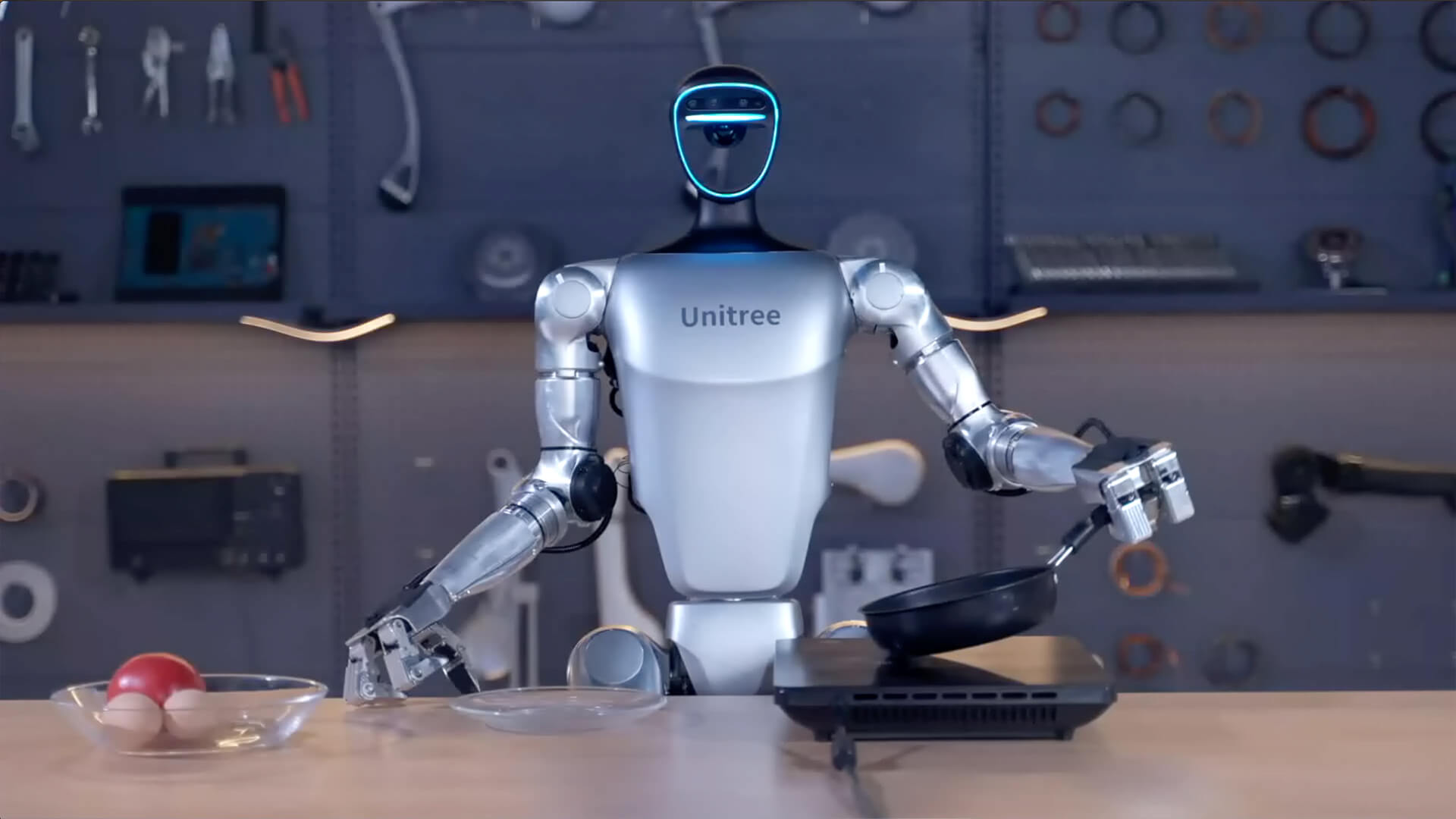
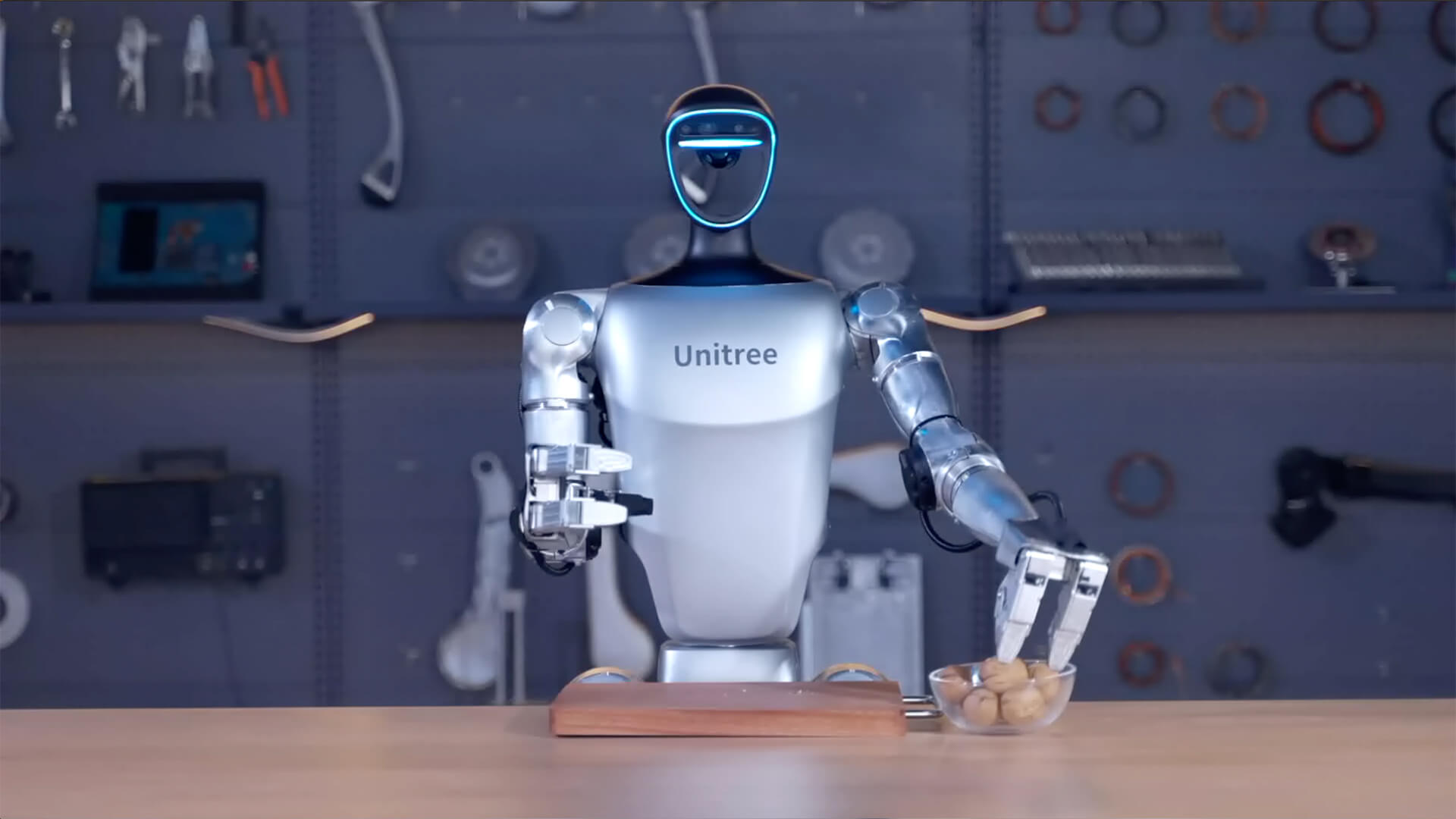
For a buyer in Victoria, this volatility serves as a cautionary tale about relying solely on stock market data to gauge product maturity. However, looking at the hardware specifications available through Unitree Robotics provides a clearer picture of current capabilities. The Unitree G1 humanoid robot is presented as an agent capable of imitation and reinforcement learning driven policies. It features an optional three-fingered dexterous hand (Dex3-1) designed for precise object manipulation. Its mechanical design includes extra large joint movement space, with specific angles for the waist, knee, and hip joints allowing for flexible operation.
The G1 is described as having a weight of approximately 35kg with battery included and supports continuous OTA software upgrades. It utilizes low inertia high-speed internal rotor PMSM motors for better response speed and heat dissipation. For an Australian team, this represents a tangible alternative that may be available sooner than Agility's Digit 5, provided the configuration matches local infrastructure requirements.
Visual Perception: GroundingPI and Simulation Gaps
Beyond hardware specifications, software capabilities are driving innovation in the field. Humanoids Daily reported on XPENG highlighting GroundingPI, a roughly four-billion-parameter visual perception model designed to help AI systems locate objects more precisely. The research indicates that in the simulated RoboCasa-GR1 benchmark, policies using GroundingPI with 50% of the demonstrations outperformed comparison models using 75%.
It is crucial for Melbourne buyers to understand what this research means for real-world application. The project explicitly states that while results are promising in simulation, they "do not establish readiness for real-world deployment." Furthermore, GroundingPI does not replace the need for robot action labels; downstream policies still learn from demonstrations. For an Australian robotics team, this means that even with advanced vision models like GroundingPI, the physical reliability of the robot in unstructured environments remains a work in progress.
The model uses a shared coordinate vocabulary across tasks ranging from object detection to spatial perception, but dynamics and contact feedback control remain the responsibility of the downstream policy. This separation implies that visual accuracy alone does not guarantee safe interaction with physical objects or humans. Buyers must verify how well these simulated policies translate to actual robot behavior before committing to a purchase.
Safety and Regulatory Landscape in Victoria
While humanoids are not yet classified under the same strict regulations as traditional plant or machinery like excavators or cranes, they represent new forms of mobile equipment that require careful consideration. WorkSafe Victoria provides guidance on plant, machinery, and equipment safety, covering items such as forklifts, elevating work platforms, and farm machinery.
These cases underscore the importance of safety protocols when deploying any mobile automation. Even if humanoids do not currently fall under the same legislative umbrella as heavy plant, they introduce similar risks regarding pinch points, entrapment, and uncontrolled movement. Buyers must verify that their chosen robot has undergone appropriate safety assessments specific to their facility's environment.
Key Verification Points for Suppliers
Before committing to a purchase or pilot program, buyers must verify several critical factors with their supplier to ensure the solution is viable. The following points should be addressed directly during the procurement process:
- Exact Configuration: Confirm that the robot model matches your specific task requirements, including dexterity levels, payload capacities, and joint ranges of motion.
- Intended Task: Ensure the robot's capabilities align with the actual operations you intend to automate, distinguishing between simulation performance and real-world utility.
- Local Delivery: Verify shipping logistics and lead times for delivery within Victoria or interstate, avoiding assumptions about stock availability based on global market news.
- Support and Training: Assess whether the supplier provides adequate operator training and ongoing technical support to maintain system integrity.
- Safety Assessment: Request a formal safety assessment specific to your facility's environment to mitigate risks associated with new mobile equipment.
- Total Landed Cost: Obtain an itemised quote that includes all costs, not just the base price of the unit, accounting for installation, maintenance, and potential downtime.
Scoping a Local Pilot
A local pilot could be scoped by defining clear success metrics related to task completion rates and safety compliance. Begin by identifying a low-risk environment within your facility where the robot can operate without interfering with high-value assets or personnel. Define the specific tasks the robot should perform, such as moving objects between stations or assisting with manual handling.
Establish baseline performance data before deployment to measure improvements in efficiency and accuracy. Ensure that all safety protocols are reviewed and approved by relevant authorities before the pilot commences. The goal is to gather empirical evidence of the robot's capability rather than relying on vendor claims or stock market hype. This approach allows teams in Narre Warren and Melbourne to validate the technology against their specific operational constraints.
Commercial Readiness vs. Stock Market Hype
The stock market performance of Agility Robotics and Unitree demonstrates investor interest, but it does not equate to commercial readiness for every application. Agility's Digit 5 is expected to deliver in 2027, which may be too far out for immediate needs. Conversely, Unitree's G1 offers a more accessible entry point, though its availability and configuration options must be confirmed locally.
Buyers should avoid making assumptions based on press releases or stock prices alone. The distinction between demonstrated capability in simulation or video demos and actual commercial readiness is significant. Always request detailed specifications and case studies from suppliers to ensure the robot fits your operational needs. The focus must remain on the practical implications for deployment rather than financial metrics.
Next Steps for Melbourne Buyers
For teams in Melbourne and Narre Warren, the best course of action is to engage directly with suppliers who can provide transparent, itemised quotes. Do not rely on general market news to make purchasing decisions. Instead, focus on verifying the specific capabilities and support structures offered by your chosen vendor.
Explore humanoid robots in Australia for a comprehensive overview of available options. To get started, Request a robot quote to receive tailored pricing and capability information. KproApps is based in Narre Warren and welcomes enquiries from Melbourne and south-east Melbourne. We invite readers to contact KproApps about their intended use and explore the website for more insights into the evolving landscape of Australian robotics.
Frequently asked questions
Is Agility Robotics ready to deliver robots in Australia soon?
Agility expects to begin Digit 5 deliveries to early-access customers in 2027. This timeline suggests they are not yet commercially ready for immediate deployment in Melbourne or Narre Warren.
How does Unitree's G1 compare to Agility's Digit 5 regarding current availability?
While Agility targets 2027 deliveries, Unitree's G1 offers features like a dexterous hand and OTA upgrades. However, buyers must verify local stock and configuration options rather than assuming availability based on global market data.
What safety regulations apply to humanoid robots in Victoria?
WorkSafe Victoria enforces strict safety standards for plant and machinery. While specific regulations for humanoids are still evolving, buyers must verify safety assessments before deployment to mitigate risks similar to those seen in recent forklift incidents.
Sources and further reading
- How did Agility Robotics perform on its first day on the stock market? — The Robot Report (2026-11-05)
- XPENG Highlights GroundingPI, a Vision Model for More Data-Efficient Robot Learning — Humanoids Daily (2026-11-05)
- Unitree G1 humanoid robot — Unitree Robotics
- Plant safety guidance — WorkSafe Victoria
Specifications, configurations, availability and manufacturer terms can change. Confirm the current product configuration and written quotation before ordering.