Humanoid Robots vs AMRs: A Melbourne Buyer's Guide (2026)
Today marks a pivotal moment for industrial automation. As reported by Robotics & Automation News, the narrative has shifted from experimental hype to a clear comparison between autonomous mobile robots (AMRs) and humanoid agents, with humanoids now making specific commercial sense in warehouses that rely on manual handling.
Read the full analysis on Humanoid Robots in Warehouses vs AMRs
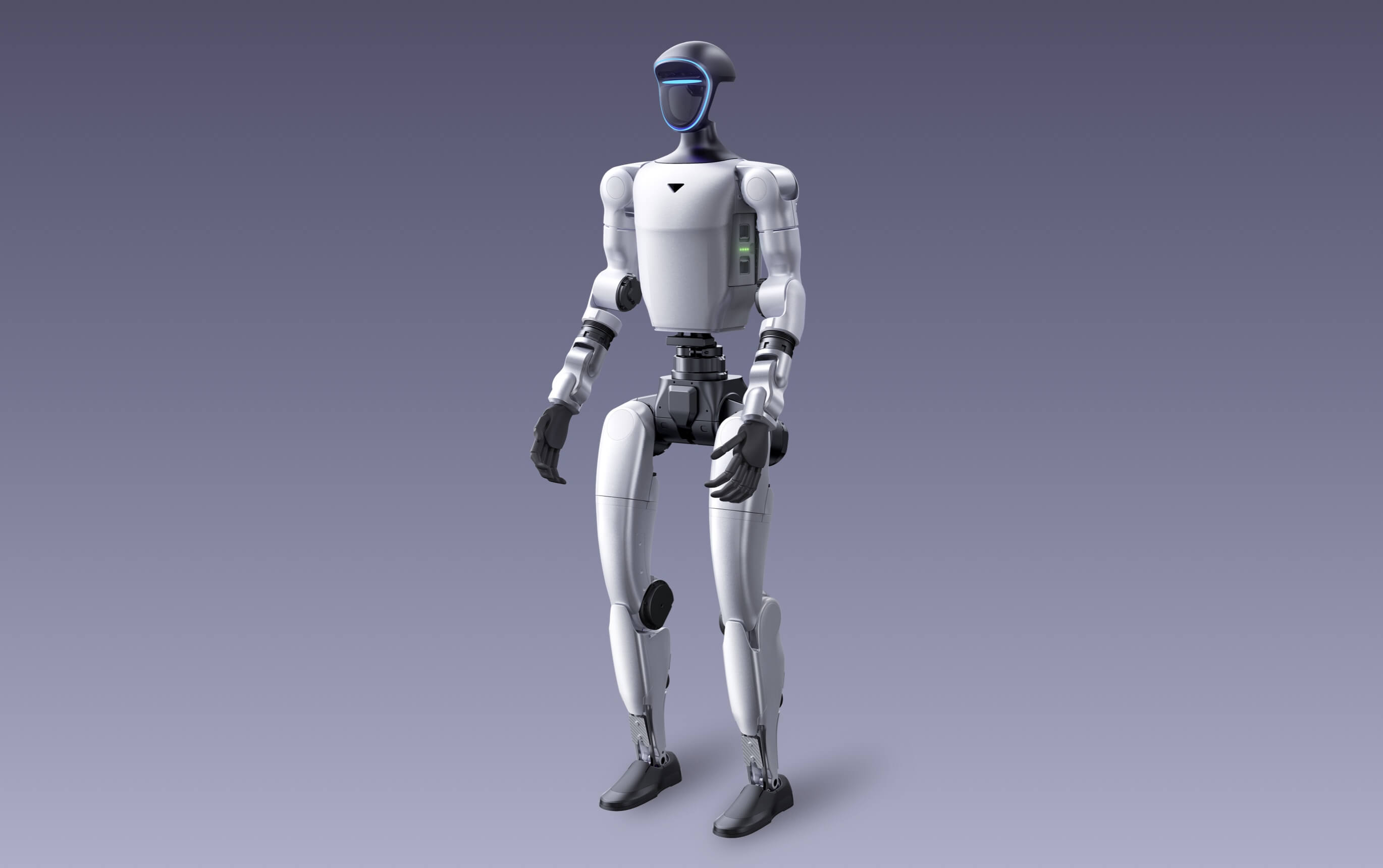
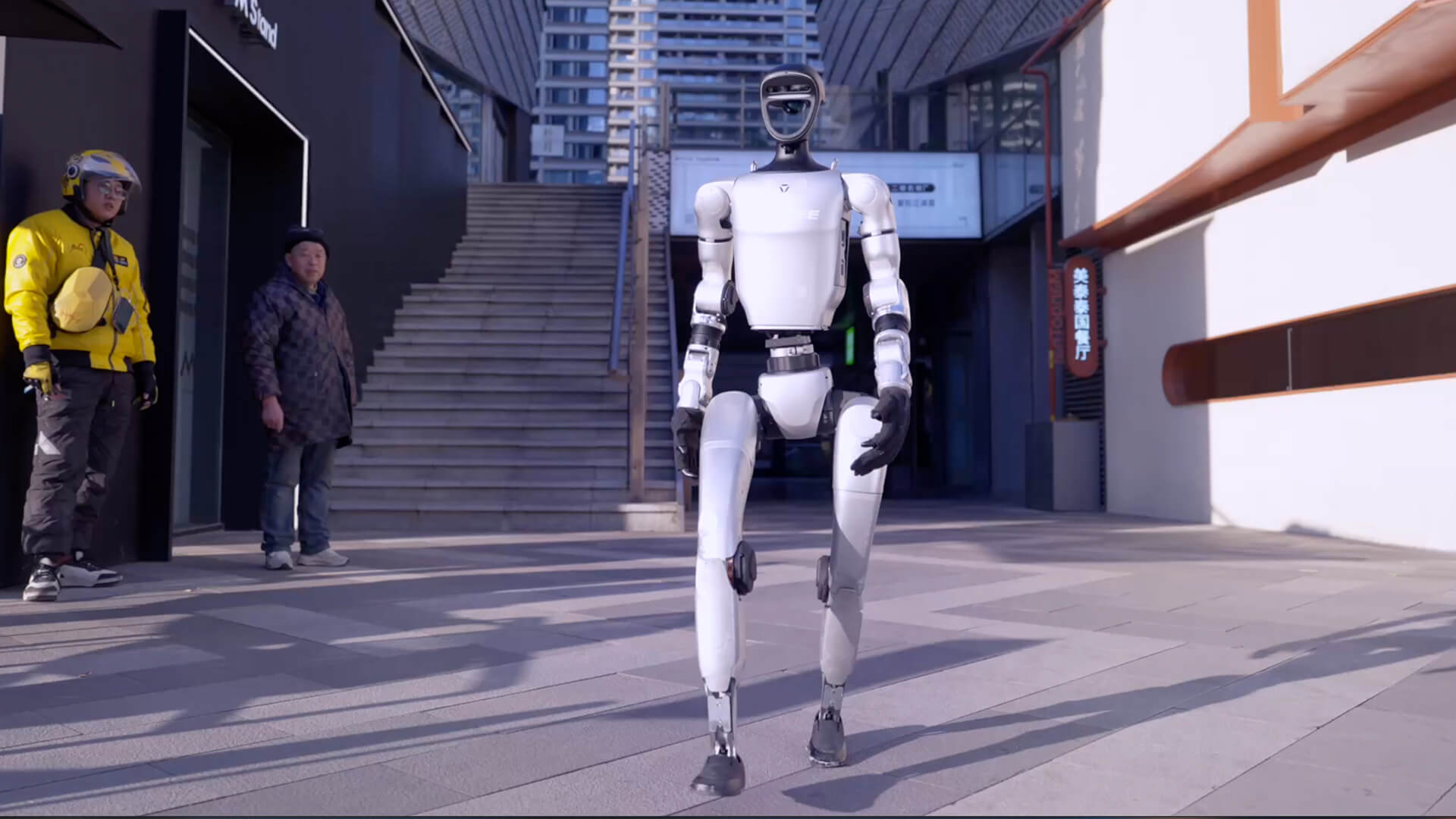
While AMRs have proven their worth in moving totes and carts, humanoid robots offer a distinct advantage: the ability to manipulate objects and interact with equipment designed for people without requiring a complete redesign of the facility. For businesses in Melbourne, Narre Warren, and south-east Victoria, understanding this distinction is crucial before committing capital.
The Commercial Maturity Gap
The 2026 landscape reveals that while AMRs are a proven option for logistics, humanoid robots represent a different stage of commercial maturity. They do not simply replace existing automation; they take over specific manual steps that wheeled robots cannot easily perform, such as lifting totes off an AMR and placing them on a conveyor.
This capability relies heavily on high-quality robotics training data. Unlike the standardized paths of AMRs, humanoids must learn to handle unfamiliar objects and respond to changing physical conditions. The industry is moving toward "Robots-as-a-Service" (RaaS) models to mitigate large upfront costs, allowing robots to be moved between tasks during the day.
Global Industry Context: Schaeffler's Pivot
While local buyers focus on deployment, global supply chains are undergoing significant restructuring. Humanoids Daily reports that German supplier Schaeffler is cutting 3,460 jobs in Europe but has identified humanoid robotics as a key growth area to absorb the reduction.
Schaeffler expects one-time costs of approximately €480 million against annual savings of €300 million by 2030. Notably, their humanoid incoming orders stood at around €400 million as of October 2026. This indicates that despite manufacturing cuts, major industrial players are securing significant order books in the sector, signaling robust demand for robotic components and systems globally.
Why Choose Humanoids Over AMRs?
The decision often comes down to task fit rather than just movement. If your workers spend a lot of time walking or if you face high employee turnover involving physically demanding tasks, AMRs may be the immediate solution. However, humanoids excel when manipulation is required.
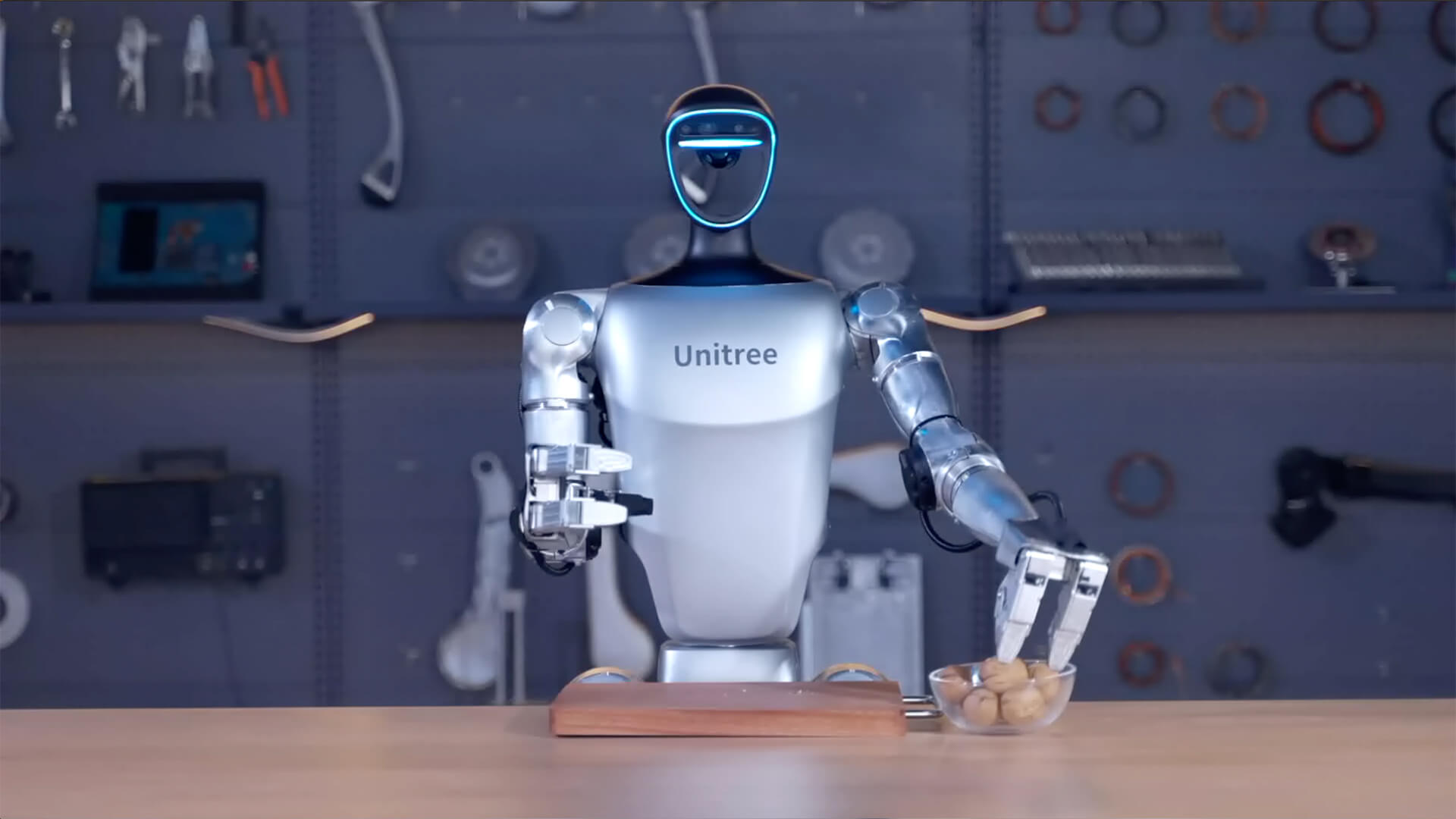
A classic example is the "hand-off": a robot shaped like a person can lift a tote from an AMR and place it on a conveyor without adding extra arms or redesigning the station. This capability is vital for e-commerce warehouses operating three shifts, where each robot covers more labor hours in repetitive, physically demanding work.
Practical Implications for Melbourne Buyers
For a robotics team or business owner in Narre Warren or south-east Melbourne, the implications are twofold: cost structure and operational readiness. The "Payback Math" suggests that while AMRs remove walking time, humanoids improve when tasks involve high physical demand.
However, buyers must distinguish between demonstrated capability and commercial readiness. A robot's ability to simulate human hands does not guarantee it will perform flawlessly in your specific environment without training. Furthermore, the global cost pressures seen in Europe suggest that while orders are strong, supply chain dynamics could impact delivery timelines or component availability.
Critical Verification Checklist
Before signing a contract with any supplier, buyers must verify several critical factors beyond the marketing brochure:
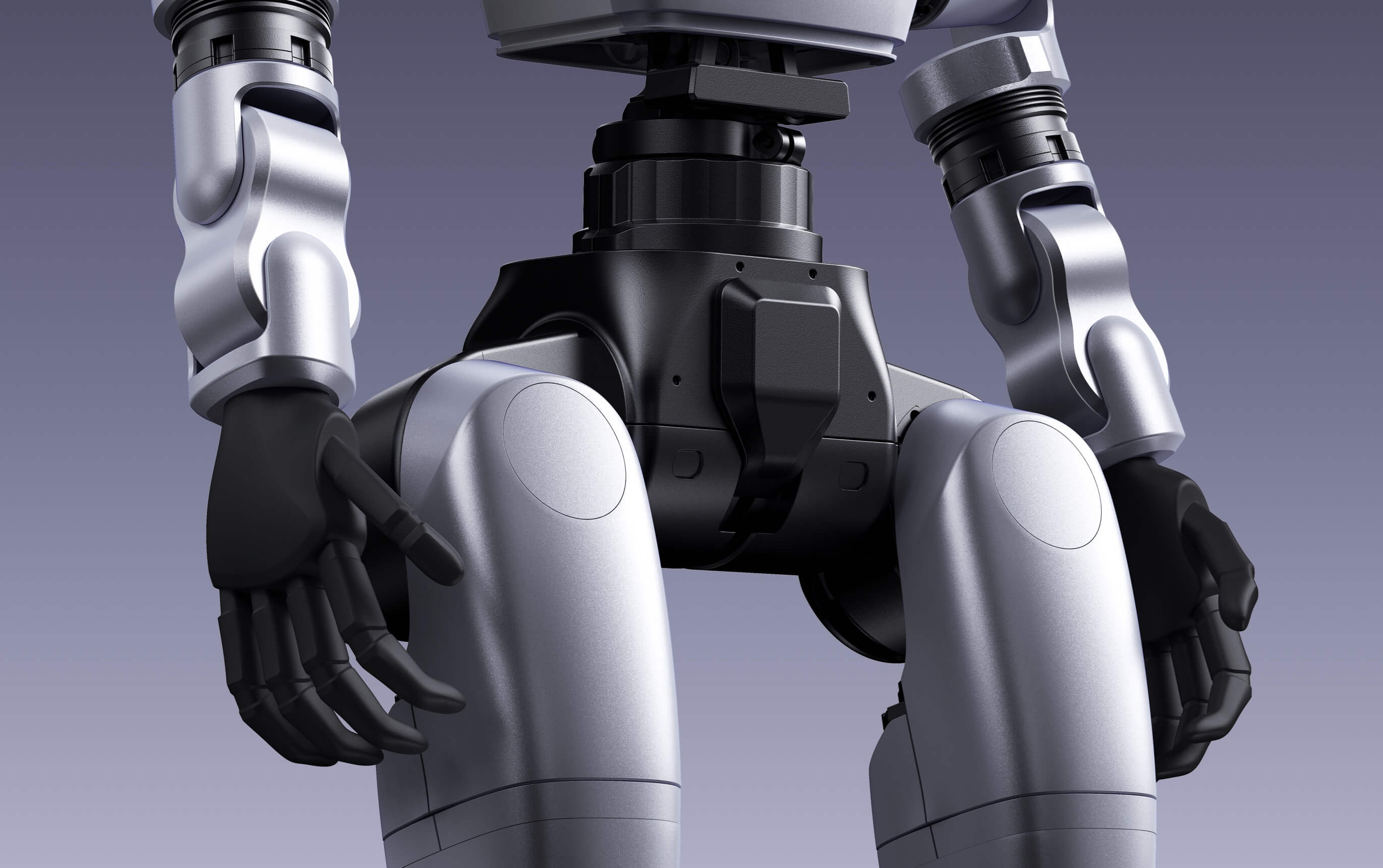
- Exact Configuration: Confirm joint motor counts, payload capacity, and specific sensor arrays. For instance, models offering force-position hybrid control may be necessary for delicate tasks but come at a premium.
- Intended Task: Ensure the robot's training data aligns with your specific objects and facility layout. A generalist model may underperform on specialized industrial goods.
- Local Delivery & Support: Verify that the vendor can provide on-site installation and maintenance within Victoria, avoiding reliance on overseas support teams during critical operations.
- Operator Training: Humanoids require different skill sets than AMR operators. Confirm if training is included in the service agreement.
- Safety Assessment: With WorkSafe Victoria actively enforcing plant safety standards, ensure the robot meets local regulations regarding force limits and emergency stops.
- Total Landed Cost: Factor in integration, energy consumption, charging infrastructure, and potential downtime costs, which are often excluded from initial quotes.
Safety Compliance in Victoria
Safety remains a non-negotiable priority in Victorian workplaces. Recent incidents involving forklifts and loading ramps highlight the importance of rigorous safety protocols.
When deploying humanoid robots, you must ensure they integrate seamlessly with existing plant machinery. WorkSafe Victoria has recently fined a Melbourne south-east shopping centre following a forklift injury, underscoring the need for clear demarcation between human and robot operating zones. Robots must be programmed to detect human presence and react appropriately to prevent rollover or crushing incidents.
Scoping Your Local Pilot
A successful pilot program should be scoped to minimize risk while demonstrating value. Start with a single, repetitive task that involves physical manipulation rather than simple transport. This allows you to test the robot's dexterity and safety features in a controlled environment before scaling up.
Define clear success metrics: reduction in manual labor hours, accuracy of object placement, and zero safety incidents. Engage with your equipment supplier early to ensure they can customize the robot for your specific workflow, perhaps even utilizing advanced AI models like those driving recent technological accelerations.
The Path Forward for Australian Robotics
The technology is evolving rapidly, with continuous OTA software upgrades becoming standard. However, the gap between a lab demonstration and a production-ready asset remains significant for many vendors.
For businesses in Melbourne looking to future-proof their operations, the focus should be on practical application over hype. If you are unsure whether your operation benefits from humanoid manipulation or AMR transport, request an itemised supplier quote that breaks down total landed costs.
KproApps is based in Narre Warren and welcomes enquiries from Melbourne and south-east Melbourne regarding these technologies. We encourage you to Explore humanoid robots in Australia to understand the local ecosystem better.
Next Steps
To move forward, avoid generic pricing estimates and request a detailed quote from your preferred vendor that includes configuration specifics, training hours, and safety compliance verification. Alternatively, you can Request a robot quote directly through our platform to compare options tailored to your facility's needs.
Frequently asked questions
How do humanoid robots differ from AMRs in a warehouse setting?
AMRs automate movement by moving goods on their own, while humanoid robots aim to automate manipulation. Humanoids can handle objects and work with equipment designed for people without requiring a complete redesign of the facility.
Is humanoid robotics commercially ready in 2026?
Humanoid robots are at a different stage of commercial maturity than AMRs. While they can handle specific manual steps like transferring totes, they require high-quality training data and often RaaS models to justify the investment compared to proven AMR solutions.
What safety considerations apply in Victoria?
Buyers must verify that robots meet local WorkSafe Victoria regulations regarding plant safety. This includes ensuring clear demarcation between human and robot zones, proper force limits, and emergency stop capabilities to prevent incidents similar to recent forklift accidents.
Sources and further reading
- Humanoid Robots in Warehouses vs AMRs: Which Automation Makes Sense in 2026? — Robotics & Automation News (2026-11-03)
- Schaeffler to Cut 3,460 Jobs in Europe, Names Humanoid Robotics as a Growth Area — Humanoids Daily (2026-11-03)
- Unitree G1 humanoid robot — Unitree Robotics
- Plant safety guidance — WorkSafe Victoria
Specifications, configurations, availability and manufacturer terms can change. Confirm the current product configuration and written quotation before ordering.