This analysis draws on the lead news report.
Humanoid Receptionist Pilot in Melbourne: Insurance, Safety & Unitree G1
A significant milestone has been reached overseas as Tokio Marine HCC and Adrian Flux launched UK household insurance for humanoid robots. This partnership addresses a critical practical question for prospective owners: who pays when an expensive robot breaks, gets stolen, or damages property? The companies describe this as the UK's first domestic humanoid robot household insurance policy. It treats a humanoid as both a valuable possession and a machine capable of causing physical damage, offering protection against theft, accidental damage, fire, and personal liability. While premiums are quoted individually with no standard rate advertised, the launch signals that insurers are moving beyond viewing robots as simple appliances to recognizing them as high-value assets requiring specific risk management.
For a robotics team in Melbourne or Narre Warren, this development highlights a vital gap between commercial readiness and operational safety. While the UK policy covers sudden malfunction recovery and safe disablement, Australian buyers must verify if similar coverage exists locally before deploying expensive hardware in public-facing roles like receptionists. The distinction between a demonstrated capability and a ready-to-buy system remains stark; insurance implies a level of maturity that many current humanoid deployments have not yet achieved.
The Insurance Gap for Australian Deployments
The launch of the UK policy by Tokio Marine HCC International is a tangible step toward services needed around home robots, but it does not guarantee equivalent protection in Victoria. A robot costing thousands is no longer something you want sitting outside your insurance policy, yet local coverage options may be scarce. For an organization considering a humanoid receptionist pilot, the cost of ownership now includes liability for property damage and injury, not just the hardware price tag.
It is important to distinguish this from commercial robotics market offerings seen elsewhere, such as China Pacific Insurance's Ji Zhi Bao product designed for production and leasing. The UK policy focuses on household ownership, which may differ from industrial or hospitality use cases. Owners will need concrete answers about repairs, accidents, and responsibility when software controls a machine moving among people. Without verified local coverage, the financial risk of a malfunction causing injury or damage remains unmitigated.
Safety Functions vs. Manipulated Inputs
While humanoid robots pause to let people pass, their safety relies on accurate input data. A recent analysis by IEEE Spectrum titled "Your Robot's Safety Functions Already Work. What If the Input Lies?" explores how manipulated inputs can change robot behavior. In a simulated environment, an adversarial image could reduce task success in vision-language-action models, or a faulty distance reading could cause a mobile robot to misjudge a hallway.
This cyber-risk context is crucial for any Melbourne team planning a receptionist pilot. A humanoid might follow its safety rules and still act dangerously if the input regarding a person crossing its path is wrong. Unlike static machinery like elevators or cranes, humanoids rely on continuous perception loops that are vulnerable to environmental manipulation.
Unitree G1 Specifications for Reception Use
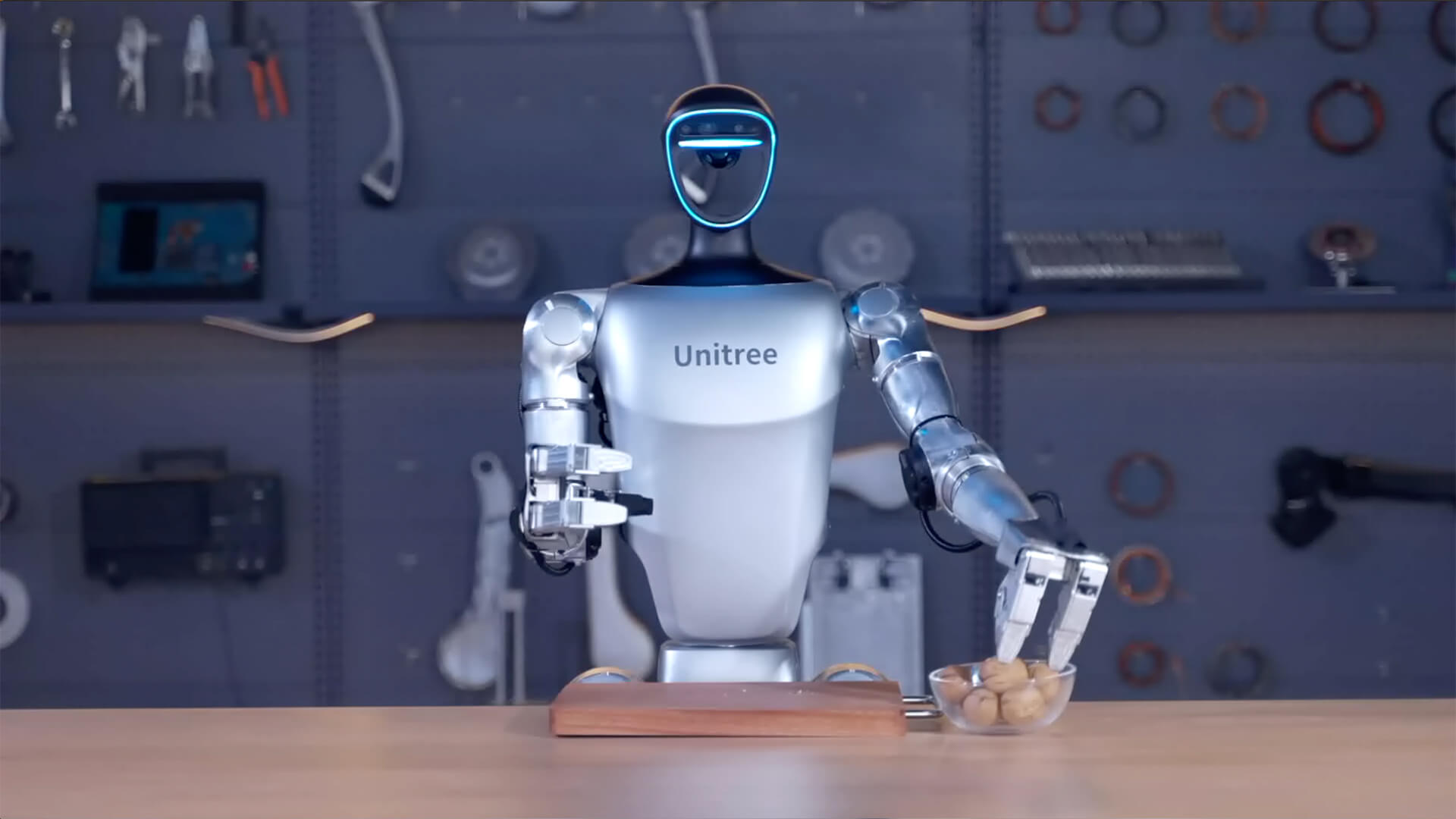
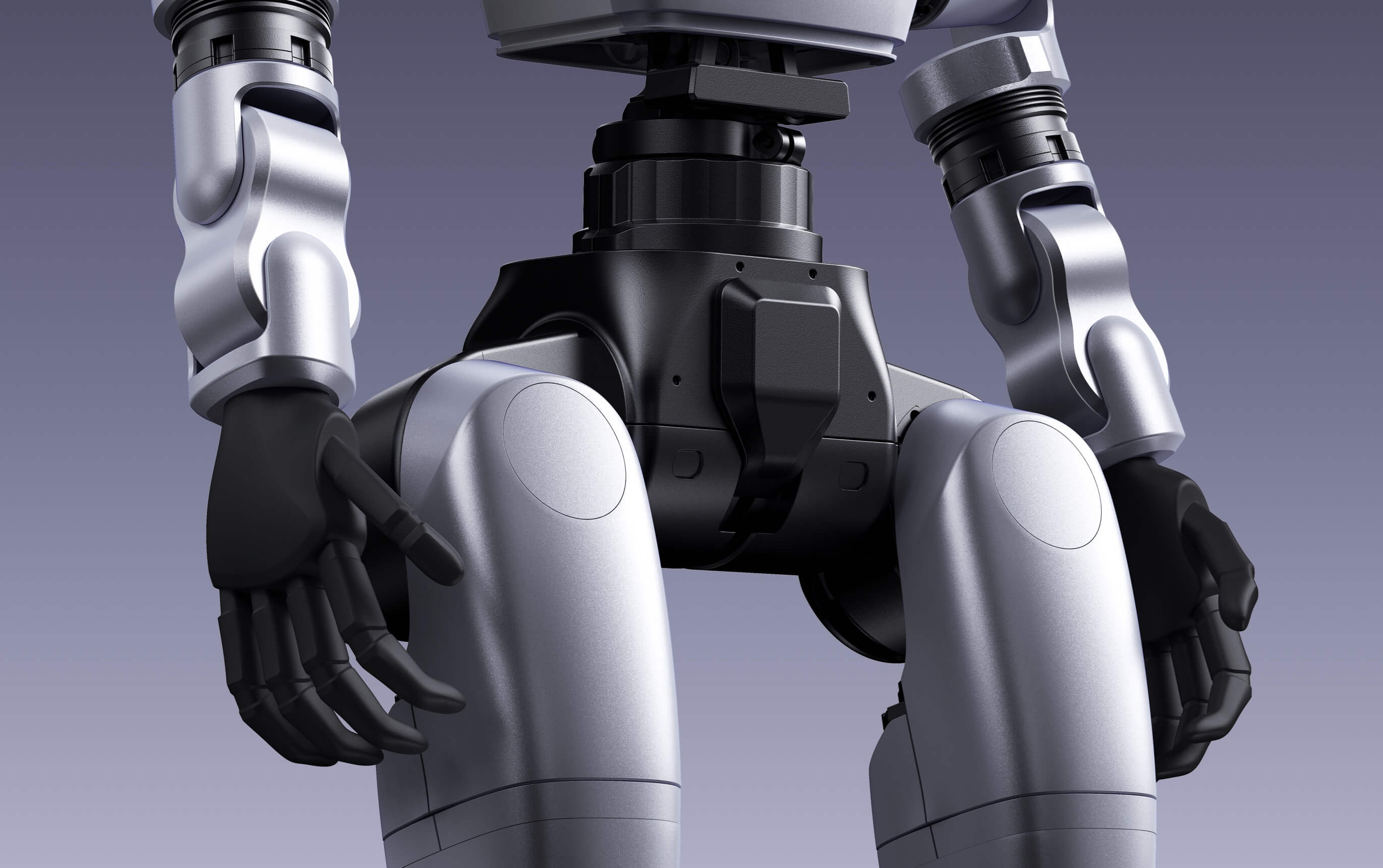
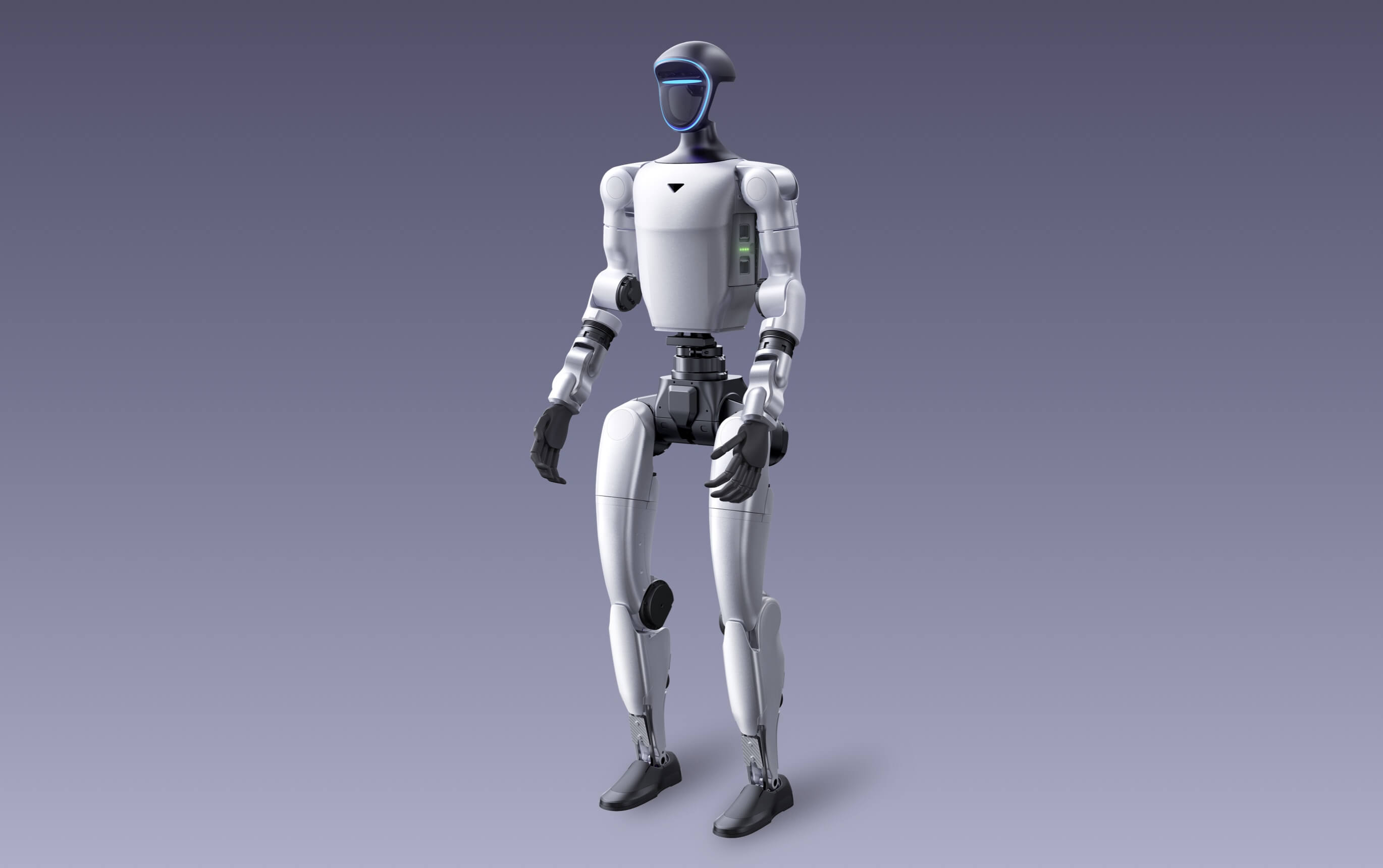
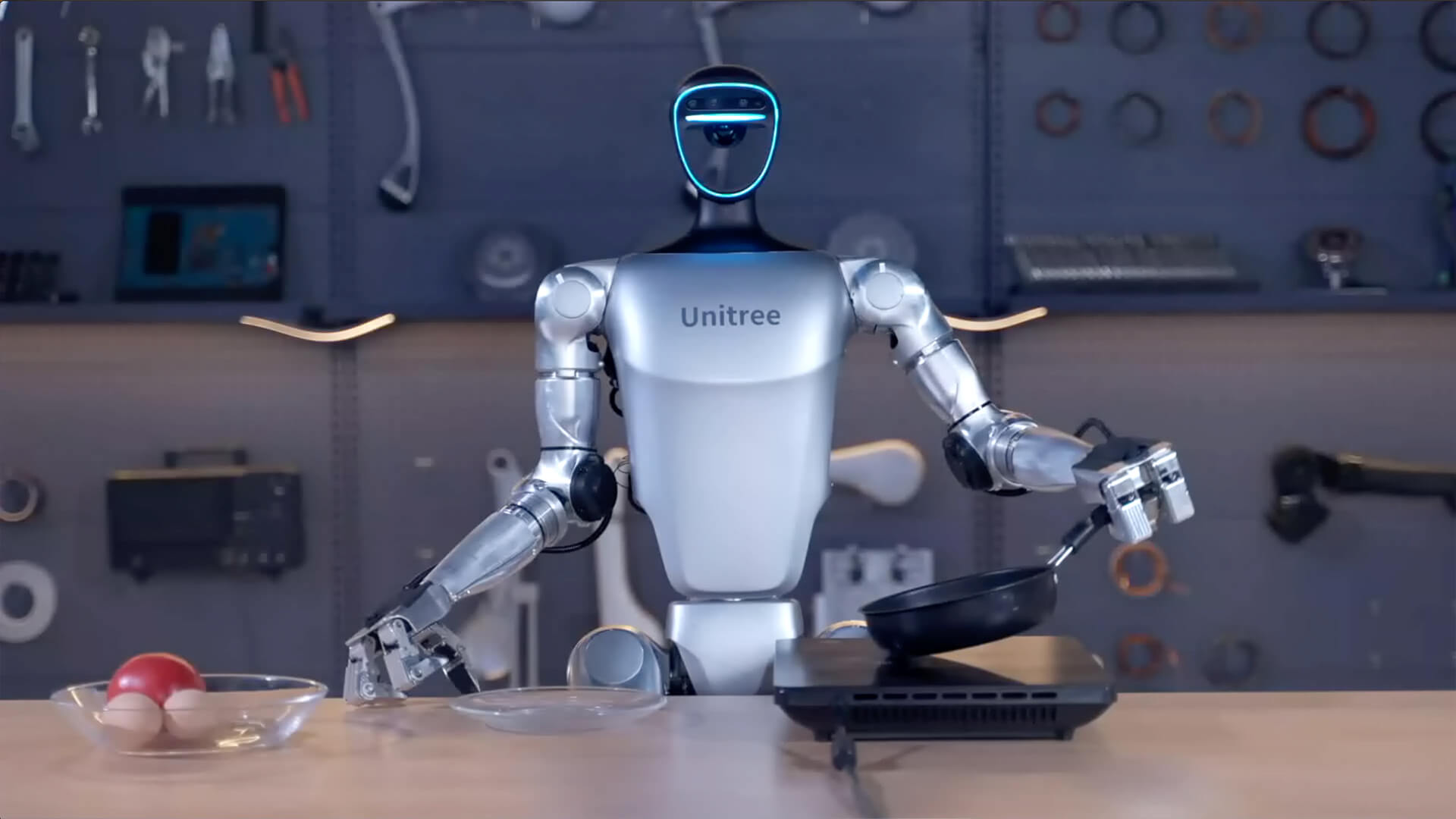
Key technical parameters include a height of 1320mm when standing and a weight of approximately 35kg with the battery. The G1 features industrial grade crossed roller bearings and low inertia high-speed internal rotor PMSM motors for better response speed. Its waist joint allows Z rotation of ±155°, while knee and hip joints provide significant range of motion.
However, these specifications represent manufacturer marketing rather than independently verified deployment as a receptionist system. The Unitree G1 page highlights capabilities like continuous OTA software upgrades and a unified robot large model (UnifoLM), but it does not confirm its use in hospitality or its ability to handle bookings autonomously. A wheeled social humanoid is distinct from a walking biped, and the G1's design leans toward general manipulation rather than dedicated reception workflows.
WorkSafe Victoria Context for Plant Safety
While humanoids are not explicitly listed under "plant" in the same category as forklifts or excavators, they operate in similar dynamic environments. A receptionist robot moving through a lobby is analogous to an elevating work platform in terms of mobility and interaction with personnel. Teams must ensure their proposed workflows align with local safety standards, which emphasize assessing risks such as rollover on unstable surfaces or entrapment under equipment.
Proposed Pilot Scoping for Receptionists
A local pilot could be scoped by defining a controlled environment where the robot's actions are limited and monitored. The workflow should focus on visitor greeting and human handover, avoiding autonomous navigation through complex public spaces initially. The robot would interact with visitors to greet them and direct them to staff members.
Crucially, this must be labeled as a proposed pilot with a human fallback, not an existing deployment. The robot should not handle bookings, patient data, or phone calls unless the supplied evidence explicitly establishes it. For example, SoftBank Robotics has introduced Pepper, a social robot designed for people to connect with them and assist businesses. However, purchasing Pepper requires using appropriate in-region links, and its capabilities focus on personalized recommendations and data gathering rather than autonomous reception duties.
Verification Checklist for Suppliers
Before committing to a humanoid system, buyers must verify several critical factors with the supplier. The exact configuration of the robot is essential; a model suitable for home use may differ significantly from one designed for public interaction. Intended task definition is equally important; a robot capable of object manipulation does not automatically mean it can navigate safely in a crowded lobby.
Local delivery and support are non-negotiable considerations. A robot purchased overseas may require complex logistics to reach Narre Warren or Melbourne. Operator training must be provided, as the complexity of handling a humanoid differs from operating traditional plant machinery. Safety assessments should be conducted by qualified professionals familiar with Victorian regulations.
Finally, total landed cost includes insurance, maintenance, and potential liability. Teams should request an itemised supplier quote instead of relying on manufacturer price tags. The absence of a standard premium for insurance or the lack of local safety approvals means that costs can vary significantly based on customer circumstances and risk profiles.
Next Steps for Buyers
The convergence of new insurance models in the UK and ongoing safety discussions globally suggests a maturing market, but local implementation requires due diligence. KproApps is based in Narre Warren and welcomes enquiries from Melbourne and south-east Melbourne regarding robotics solutions. To explore practical options without making assumptions about availability or stock, readers should contact KproApps about their intended use.
The path forward involves using the website to Explore humanoid robots in Australia, where you can find detailed information on available technologies. For specific pricing and configuration details, please Request a robot quote. Do not assume that overseas news implies local deployment; always verify capabilities with your supplier.
For immediate assistance, invite readers to contact KproApps to discuss their intended use and explore the website. The goal is to build a safe, compliant, and effective receptionist system that leverages the latest technology while respecting local safety standards.
Frequently asked questions
Does UK insurance cover Australian humanoid robots?
No, UK policies launched by Tokio Marine HCC and Adrian Flux are specific to the United Kingdom market. Australian buyers must verify if equivalent coverage exists locally before deploying robots.
Can I use a Unitree G1 as a receptionist in Melbourne?
The Unitree G1 has advanced joint motors and force control, but it is not confirmed for reception use. Verify configuration, local support, and safety compliance with your supplier.
What are the main risks of a humanoid receptionist pilot?
Risks include manipulated sensor inputs causing unsafe behavior, lack of local insurance coverage, and regulatory compliance issues similar to plant machinery operations in Victoria.
Sources and further reading
- Tokio Marine HCC and Adrian Flux Launch UK Home Insurance for Humanoid Robots — Humanoids Daily (2026-11-04)
- Your Robot’s Safety Functions Already Work. What If the Input Lies? — IEEE Spectrum (2026-10-27)
- Unitree G1 humanoid robot — Unitree Robotics
- Plant safety guidance — WorkSafe Victoria
- Pepper social robot — SoftBank Robotics America
Specifications, configurations, availability and manufacturer terms can change. Confirm the current product configuration and written quotation before ordering.