This analysis draws on the lead news report.
Korean Humanoid Supply Chain Advances: What It Means for Melbourne Buyers
Today in Sydney, reports indicate that South Korea's KIST has advanced its KAPEX humanoid project by integrating over 90% of its core components domestically. This development marks a significant step toward commercialization, with major partners like LG Electronics and Robostar taking on roles ranging from physical AI to mass production. While the robot demonstrated walking capabilities with loads exceeding 20 kilograms in recent tests, this news highlights the ongoing evolution of humanoid robotics rather than immediate availability for Australian purchase.
For researchers and businesses in Melbourne and Narre Warren, understanding the distinction between research milestones and commercial readiness is critical. The KAPEX project demonstrates a supply-chain ambition that could influence future global offerings, but it does not confirm that such a robot is currently available for order or deployment in Victoria.
The KAPEX Milestone: Research vs. Readiness
According to the latest reporting from Humanoids Daily, the KAPEX platform has achieved a high degree of component localization, reportedly using more than 90% Korean-made parts for its core systems. This includes contributions from LG companies covering AI and batteries, alongside Robostar's involvement in manufacturing.
However, it is vital to distinguish this technological progress from commercial readiness. The report describes field demonstrations and testing phases rather than a confirmed shipping schedule or a fully integrated product ready for sustained service. KIST transferred core technology to LG Electronics in September 2025, establishing a framework for collaboration that includes autonomous walking and dexterous hands. Yet, the project's target for hospital and public-facility testing remains longer-term, with no evidence suggesting these capabilities are currently deployed in an operational environment.
Comparing Global Approaches: Unitree G1 Context
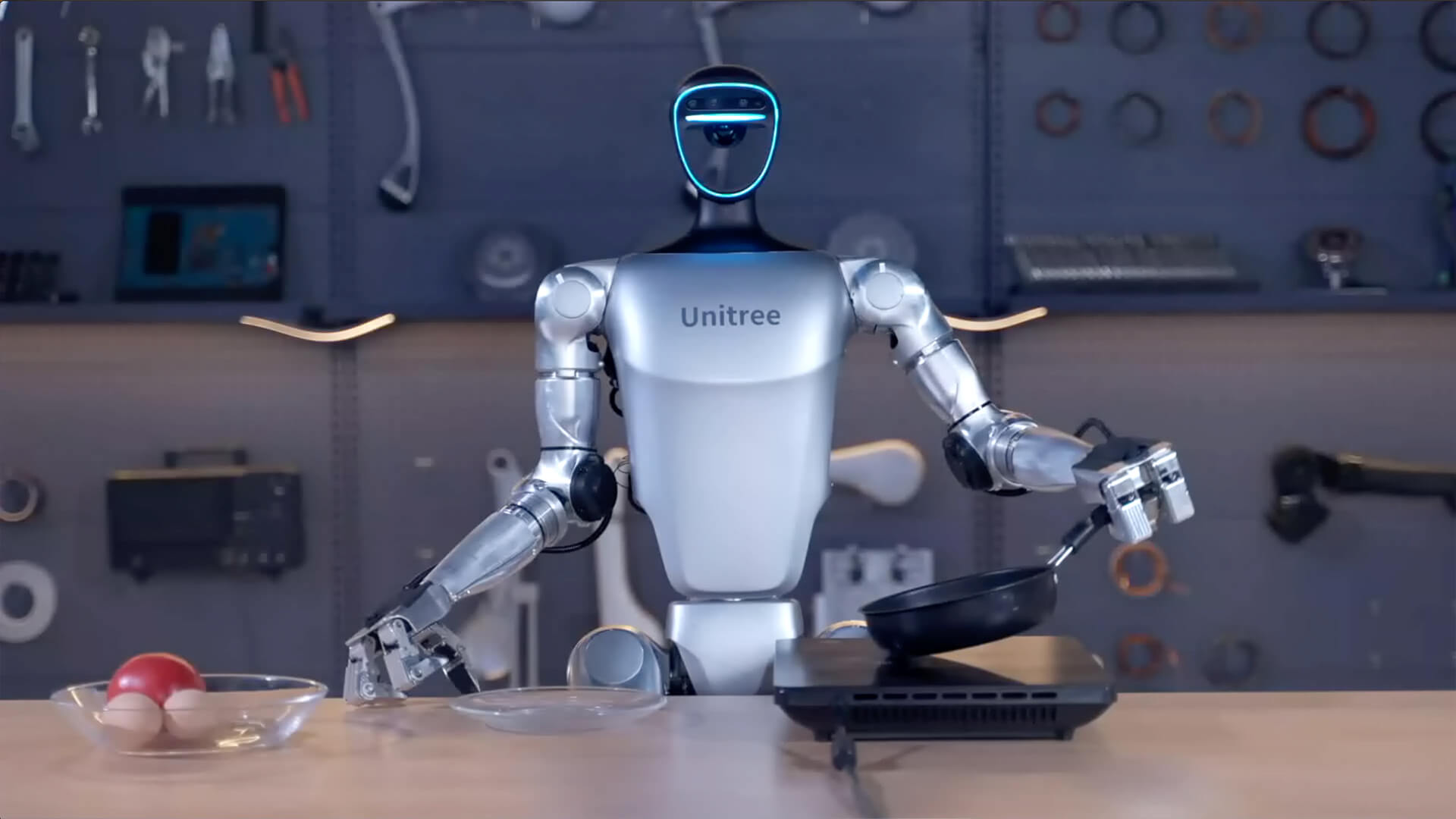
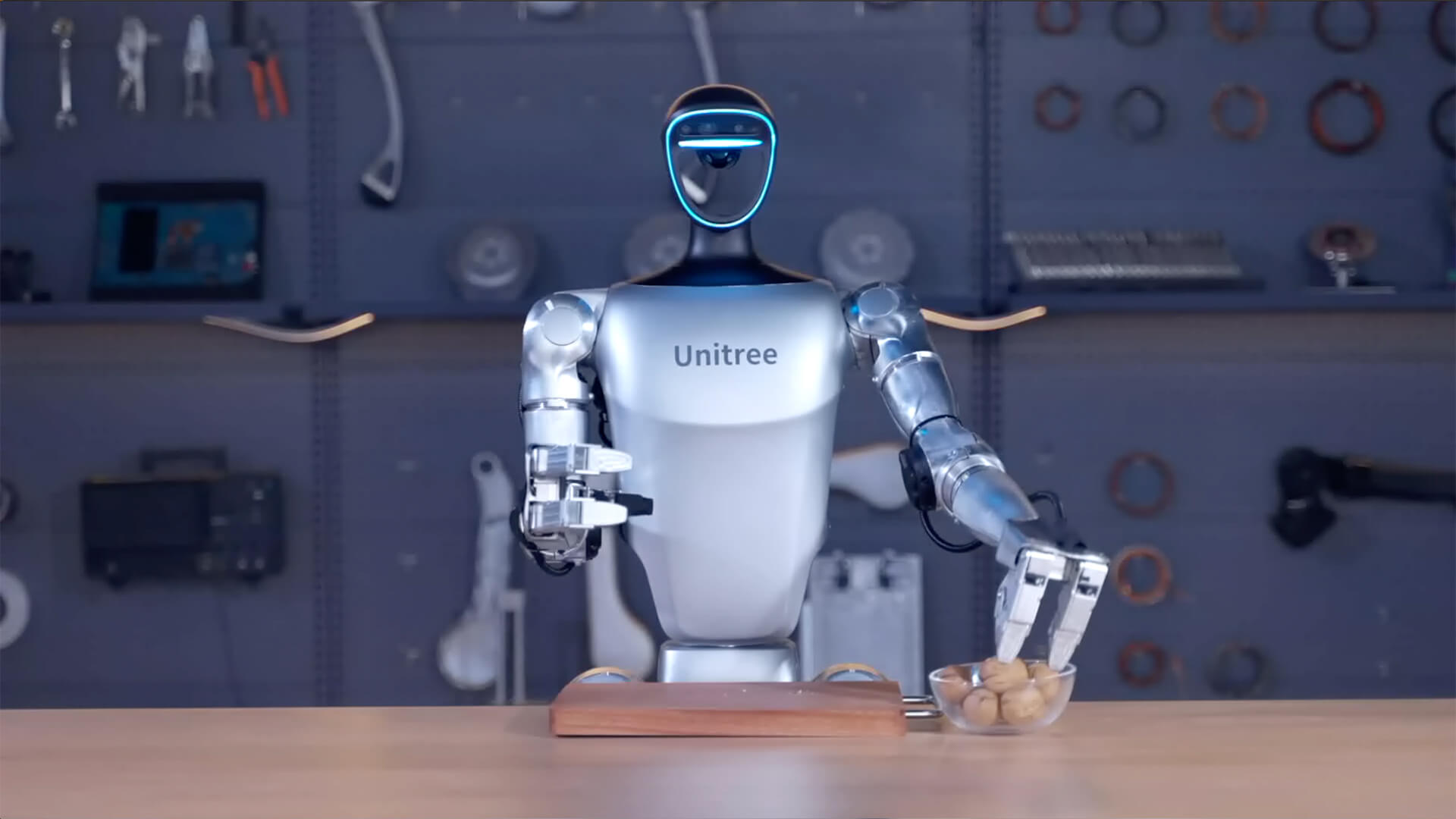
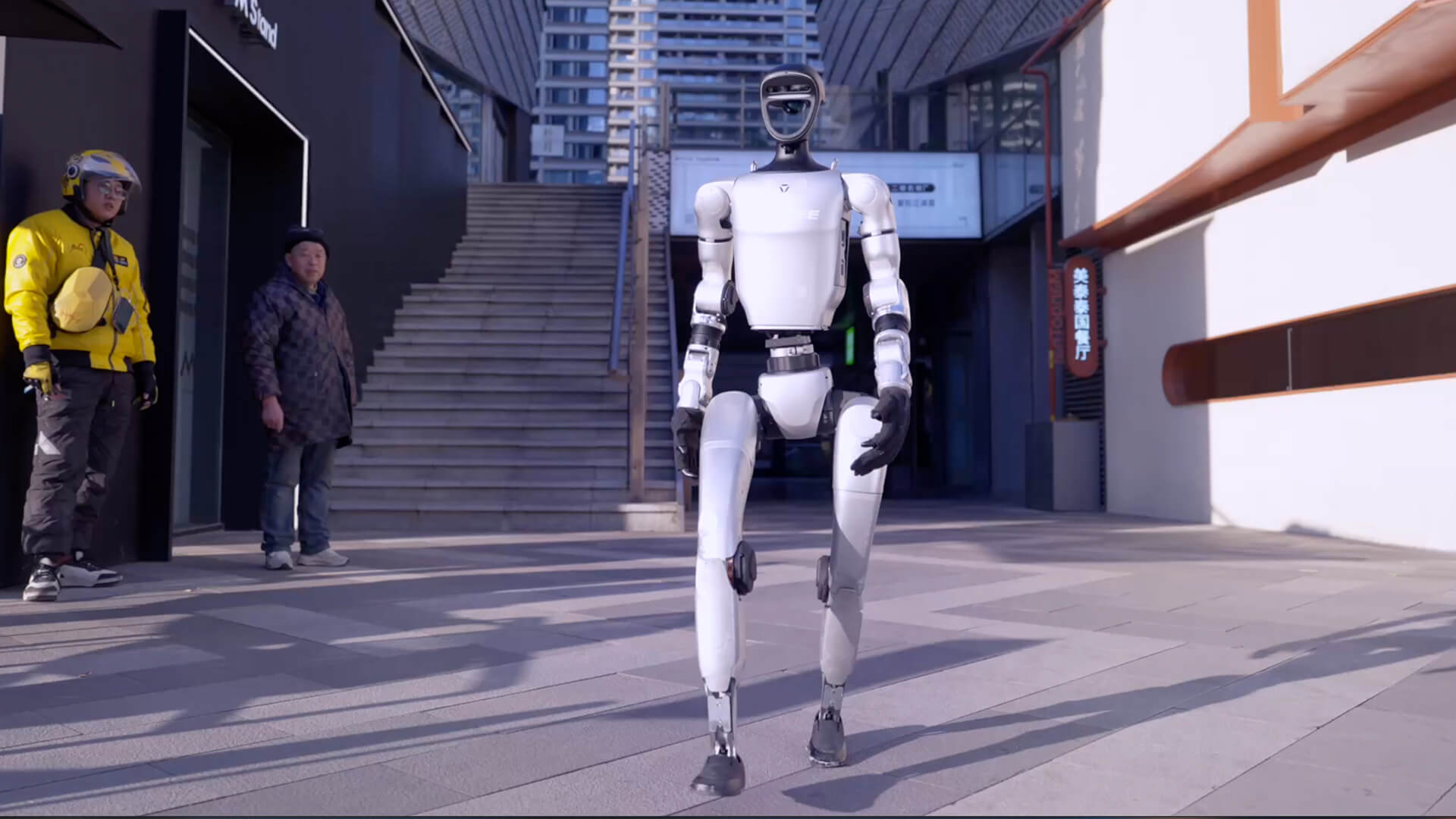
While KAPEX focuses on domestic integration, other players like Unitree Robotics are advancing different aspects of the humanoid landscape. The Unitree G1 offers a distinct proposition with its focus on AI-driven agent capabilities and flexible joint movement angles ranging from 23 to 43 degrees.
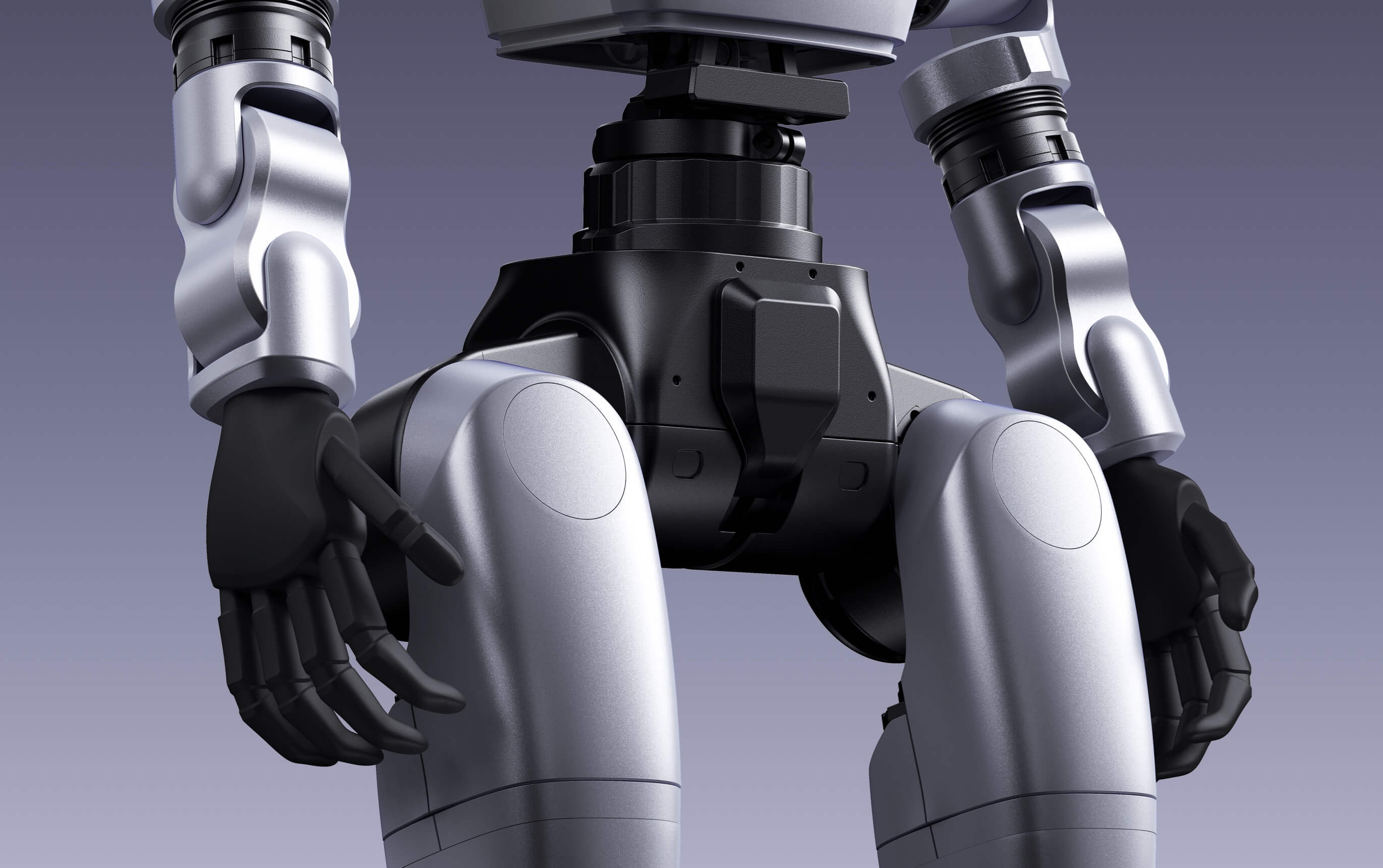
The Unitree G1 features a weight of approximately 35kg with battery, offering 23 to 43 total degrees of freedom depending on the configuration. It utilizes low-inertia high-speed internal rotor PMSM motors and includes optional force-control dexterous hands. While Unitree emphasizes continuous OTA software upgrades and a unified robot large model for intelligence, KAPEX highlights its supply-chain consolidation.
Verifying Supply Chain Maturity
When evaluating humanoid robots for potential deployment in Victoria, buyers must look beyond marketing claims about component origins or joint counts. The KAPEX report mentions a "home-like living lab" at KIST, which implies controlled environments rather than real-world industrial application.
To assess true readiness, a buyer should verify the following with any supplier:
- Exact Configuration: Confirm the specific model number and whether it includes optional features like force-control hands or additional waist degrees of freedom.
- Intended Task: Ask how the robot performs in unstructured environments versus controlled labs. Can it handle dynamic obstacles common in Australian facilities?
- Local Delivery: Ensure the supplier can deliver to your specific location, whether that is a suburb in Melbourne or Narre Warren.
- Support Network: Is there local technical support available for maintenance and troubleshooting?
- Operator Training: Are training programs provided to ensure safe operation by staff unfamiliar with humanoid systems?
- Safety Assessment: Has the robot undergone relevant safety assessments compliant with Australian standards, rather than just internal testing?
- Total Landed Cost: Factor in shipping, installation, and potential ongoing service costs.
The Importance of Local Safety Standards
In Australia, integrating new machinery into existing workplaces requires strict adherence to safety regulations. In October 2026, WorkSafe Victoria issued a reminder regarding quad bike dangers on inclines, highlighting the importance of risk assessment in industrial settings. Similarly, recent incidents involving forklifts in Melbourne's south-east underscore the consequences of inadequate plant safety.
Humanoid robots introduce new variables to these existing risks. Unlike traditional machinery, humanoids operate with dexterity and autonomy that can be unpredictable. A robot capable of precise manipulation in a lab may present different hazards if not properly integrated into a workflow. Buyers must ensure that any proposed solution aligns with WorkSafe Victoria's guidance on plant and machinery safety.
Scoping Your Local Pilot Project
Before committing to a purchase, organizations should scope a local pilot project to test real-world viability. A concise approach involves defining the specific task, such as moving heavy objects or assisting in assembly, within a controlled environment like a Narre Warren workshop.
During this phase, document the robot's performance against actual constraints: floor irregularities, lighting conditions, and interaction with human workers. This practical testing reveals whether theoretical capabilities translate to reliable operation. It also helps identify any gaps in safety protocols or operational procedures that need addressing before full-scale deployment.
Strategic Considerations for Australian Buyers
The global race for humanoid robotics is accelerating, with Korea positioning itself as a third major power alongside the US and China. However, this competition does not guarantee immediate access to advanced systems in Australia.
Buyers should remain cautious about assuming that overseas advancements equate to local availability. The KAPEX project's focus on domestic components suggests a long-term strategy for Korea, but it does not confirm current stock or delivery timelines for international markets. Similarly, while Unitree offers flexible configurations, the specific suitability for Australian industrial needs must be verified.
Next Steps: Engaging with Suppliers
To navigate this evolving landscape, interested parties should engage directly with suppliers to request itemised quotes that detail all costs and capabilities. Avoid relying on general price lists or unverified claims about commercial readiness.
KproApps is based in Narre Warren and welcomes enquiries from Melbourne and south-east Melbourne regarding humanoid robotics solutions. We encourage you to Explore humanoid robots in Australia to understand the local context better.
For specific requirements, please Request a robot quote. Do not hesitate to contact KproApps about your intended use case. Our team can help you assess whether a humanoid robot fits your operational goals and safety standards.
Frequently asked questions
Is the KAPEX robot available for purchase in Australia right now?
No, the KAPEX project is currently in development and testing phases. It has not been confirmed as commercially ready or available for order in Australia.
How do I know if a humanoid robot fits my specific workplace needs?
Request an itemised quote detailing configuration, intended task performance, local delivery options, and safety assessments to verify suitability.
What are the key differences between KAPEX and Unitree G1?
KAPEX focuses on domestic component integration for heavy loads in research, while Unitree G1 emphasizes AI-driven flexibility and modular configurations.
Sources and further reading
- KIST’s KAPEX Humanoid Reportedly Uses Over 90% Korean-Made Core Components — Humanoids Daily (2026-11-04)
- Unitree G1 humanoid robot — Unitree Robotics
- Plant safety guidance — WorkSafe Victoria
Specifications, configurations, availability and manufacturer terms can change. Confirm the current product configuration and written quotation before ordering.