This analysis draws on the lead news report.
UK's First Humanoid Robot Insurance: What It Means for Melbourne Buyers
Today marks a significant milestone in the commercialization of domestic robotics as Tokio Marine HCC International partners with Adrian Flux to launch what they describe as "the UK's first domestic humanoid robot household insurance policy". This development, reported by Robotics & Automation News on 2026-10-31, signals a shift from viewing these machines as novel curiosities to recognized assets requiring comprehensive risk management. While the news originates in the United Kingdom, it serves as a critical benchmark for Australian robotics teams and enterprises operating within Melbourne, Narre Warren, and the broader south-east region who are evaluating humanoid agents for commercial or residential deployment.
The Shift from Curiosity to Liability
The core innovation of this new policy class is its intent to support an emerging customer market that has already begun forming in the United States. Early models are currently on open pre-order, with domestic robots expected to enter UK homes by 2027. Stuart Heath, head of distribution at Tokio Marine HCC International, notes that insurance has traditionally reacted to new markets rather than facilitating them. By creating a dedicated cover for these high-value assets, the policy addresses the gap where a machine costing thousands is not considered standard property.
For an Australian buyer in Narre Warren or Melbourne, this signals that the era of "it works on my farm" is ending. The policy covers damage to and theft of the robot, sudden damage it causes to the home, and personal liability if the android injures someone. Crucially, it includes emergency recovery or safe disablement following malfunction. This distinction between demonstrated capability in a video feed and commercial readiness for daily living cannot be overstated. A robot demonstrating whole-body manipulation in a controlled environment does not guarantee the same reliability when interacting with unstructured domestic spaces.
Safety vs. Commercial Readiness
Source 2, published by IEEE Spectrum on 2026-10-30, highlights the ongoing challenge of whole-body manipulation. The video features Unitree's Spot demonstrating complex tasks, yet the editor notes the difficulty in distinguishing direct torso involvement from other interactions. This technical nuance is vital for buyers assessing a robot's potential in their local environment. A robot capable of moving tires or navigating uneven terrain in a lab setting may present different risks when placed in a Melbourne home.
Verifying Configuration and Task Suitability
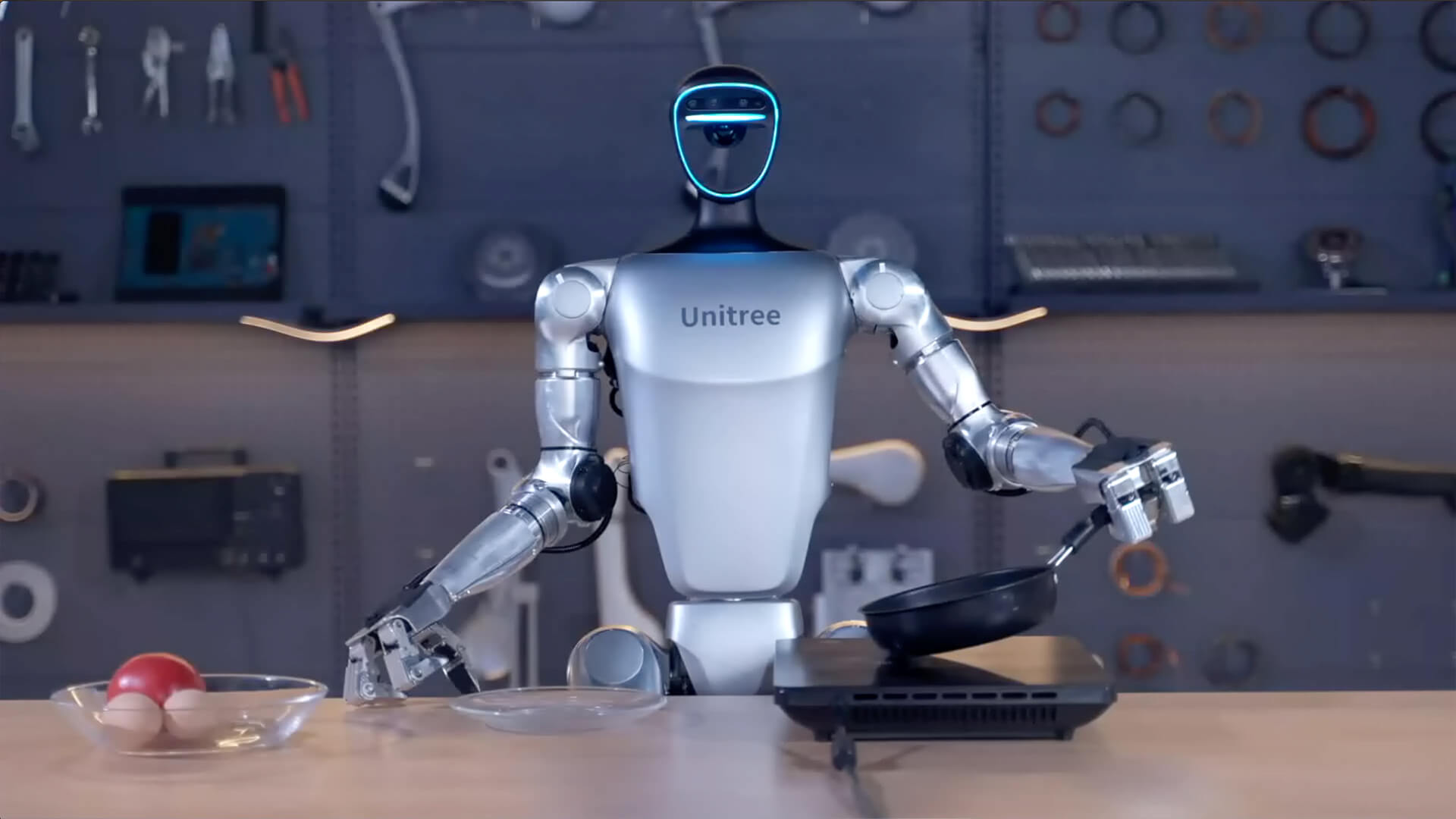
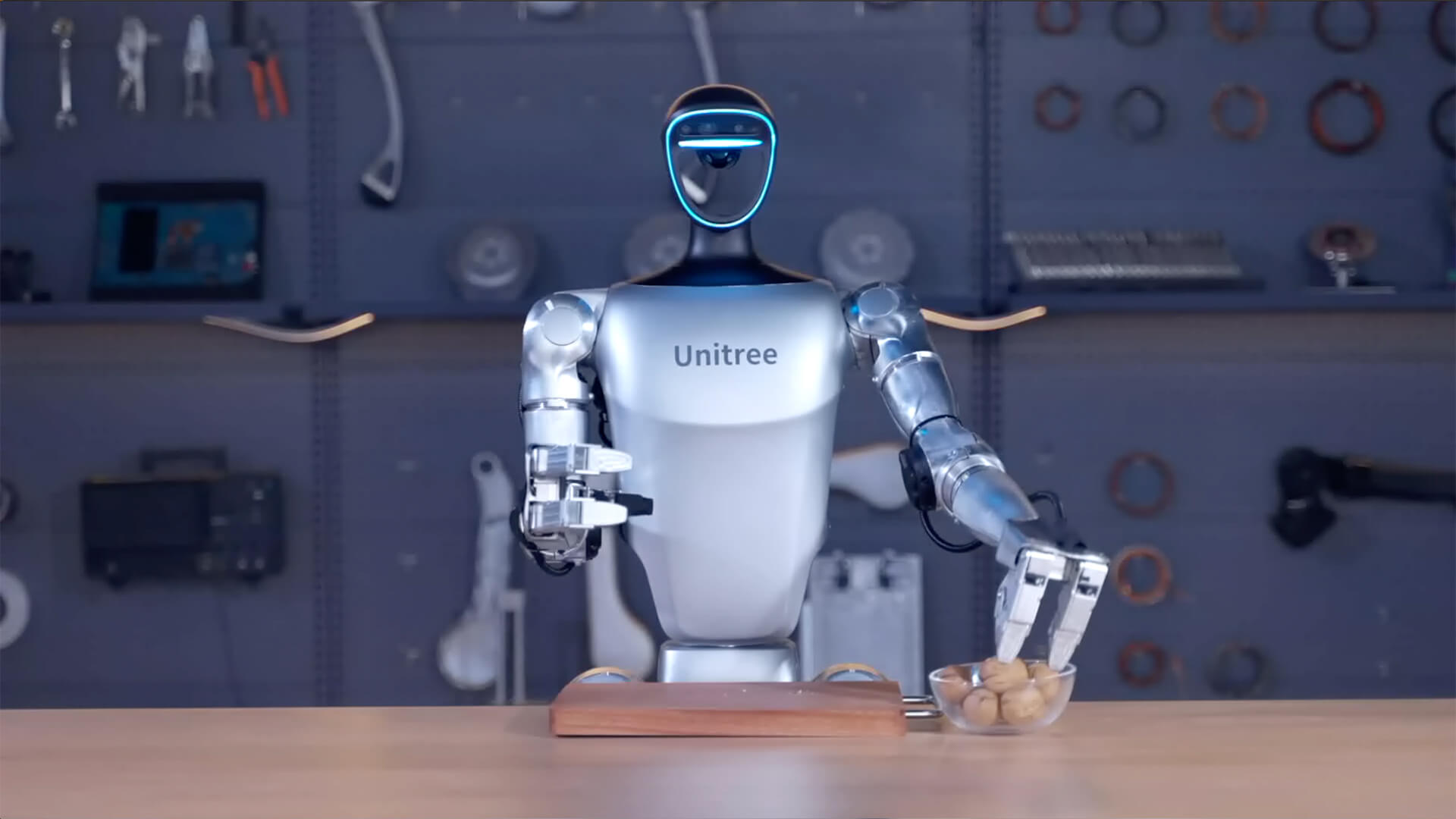
Before committing to a purchase, buyers must distinguish between marketing claims and verified specifications. The Unitree G1, for instance, advertises force control dexterous hands and imitation learning driven capabilities. However, the ability to simulate human hands does not equate to operational safety in all scenarios.
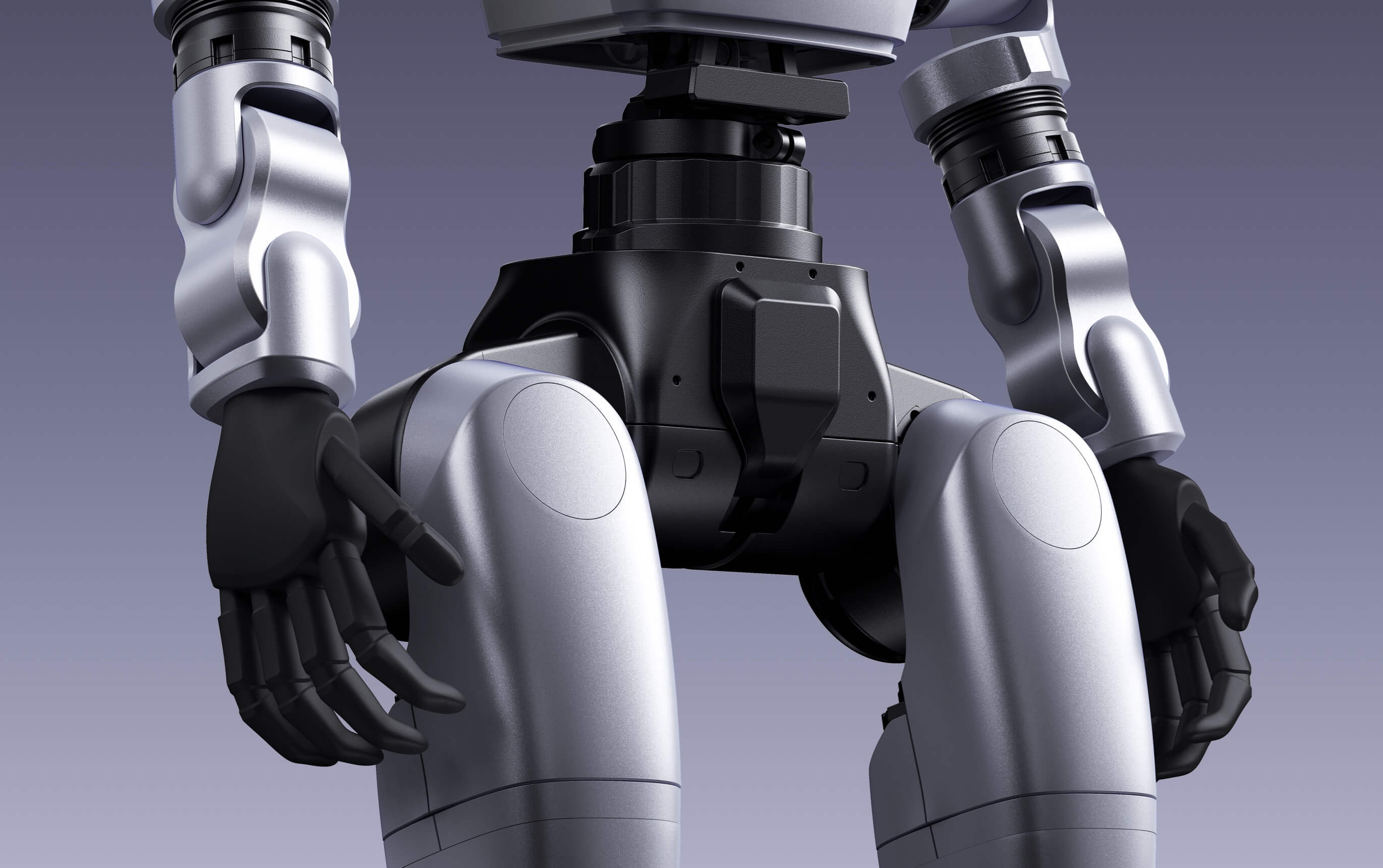
Buyers should verify the exact configuration of any robot they consider. Does the model include optional force-control sensors? Is the joint movement range sufficient for the intended task without risking structural damage? The Unitree G1 parameters list specific degrees of freedom, including a waist joint with Z±155° movement and knee joints ranging from 0~165°. These numbers matter significantly when planning a robot's path through a cluttered Narre Warren workshop or a residential hallway.
Assessing Total Landed Cost
The UK policy explicitly covers emergency recovery or safe disablement following a sudden malfunction. This feature represents a premium that Australian buyers should factor into their budget. Without such coverage, a malfunctioning robot could result in significant property damage or personal injury claims, potentially exposing the owner to liability far exceeding the cost of the device itself.
Local Delivery and Support Networks
A common misconception is that overseas news implies local availability. A source publication date in Sydney time does not mean the event happened in Sydney; similarly, a UK insurance launch does not guarantee stock or support in Melbourne.
Buyers must verify local delivery logistics and after-sales support. Does the supplier offer on-site installation? Is there a local technician available for emergency disablement if the robot malfunctions at 2 AM? The Unitree G1 specifies continuous OTA software upgrades, but this relies on stable internet connectivity and compatible hardware versions.
Operator Training and Safety Assessments
The UK policy covers personal liability if the android injures someone. This implies that operators are expected to be trained to mitigate risks. In Victoria, where WorkSafe Victoria issues alerts regarding quad bike dangers on inclines, the expectation for mobile machinery is high.
Purchasing a robot does not automatically grant permission to operate it. Buyers should inquire about operator training programs and whether the supplier can assist with safety assessments required by local authorities. The distinction between a hobbyist project and a commercial asset is blurred; a robot used in a home may still require adherence to plant safety guidelines if it performs tasks akin to industrial machinery.
Scoping Your Local Pilot Project
A local pilot could be scoped by defining the specific environment and task constraints. For example, a team in Narre Warren might test a humanoid on a standard residential floor plan with known obstacles. The scope should include:
- Environment Definition: Map out the area to identify trip hazards, uneven surfaces, or fragile items.
- Task Definition: Define the specific manipulation task (e.g., moving a box, picking up an object) and set success criteria.
- Safety Protocols: Establish clear boundaries for operation and define what constitutes a "failure" state.
- Data Collection: Record the robot's performance to evaluate its reliability against the manufacturer's claims.
This approach ensures that the pilot project is not just a demonstration of capability but a rigorous test of safety and practical utility.
Next Steps for Buyers
The launch of the UK's first domestic humanoid robot insurance policy is a timely hook for Australian buyers to reconsider their risk management strategies. However, it serves as a reminder that technology evolves faster than regulation and insurance frameworks.
To move forward, interested parties should avoid making assumptions about stock levels or local support based on international news. Instead, they should engage directly with suppliers to request itemised quotes that break down hardware, shipping, insurance, and training costs.
KproApps is based in Narre Warren and welcomes enquiries from Melbourne and south-east Melbourne regarding humanoid robotics solutions. We invite readers to contact KproApps about their intended use cases and explore the available options on our website. For those ready to proceed, please visit Request a robot quote to begin the process of securing a machine that fits your specific operational needs.
References
- Robotics & Automation News: 'First' insurance policy for domestic humanoid robots in the UK (2026-10-31). https://roboticsandautomationnews.com/2026/10/31/first-insurance-policy-for-domestic-humanoid-robots-in-the-uk/106568/
- IEEE Spectrum: Video Friday: Spot Plays to Show Its Whole-Body Manipulation (2026-10-30). https://spectrum.ieee.org/video-friday-whole-body-manipulation
- Unitree Robotics: Unitree G1 humanoid robot. https://www.unitree.com/g1/
- WorkSafe Victoria: Plant safety guidance. https://www.worksafe.vic.gov.au/plant
Explore humanoid robots in Australia for buying context.
Frequently asked questions
Will buying a humanoid robot in Australia automatically include insurance coverage?
No, Australian buyers are not automatically covered by UK policies. You must verify if your local supplier offers specific liability or damage cover tailored to Australian regulations and risks.
How do I know if a robot is safe for my home in Narre Warren?
Ask the supplier for a detailed safety assessment, operator training documentation, and evidence of real-world testing beyond video demonstrations to ensure reliability in unstructured environments.
What should I check regarding local delivery and support before ordering?
Confirm that the supplier provides on-site installation, emergency disablement services, and has a clear process for software updates and hardware maintenance within Australia.
Sources and further reading
- ‘First’ insurance policy for domestic humanoid robots in the UK — Robotics & Automation News (2026-10-31)
- Video Friday: Spot Plays to Show Its Whole-Body Manipulation — IEEE Spectrum (2026-10-30)
- Unitree G1 humanoid robot — Unitree Robotics
- Plant safety guidance — WorkSafe Victoria
Specifications, configurations, availability and manufacturer terms can change. Confirm the current product configuration and written quotation before ordering.