This analysis draws on the lead news report.
Humanoid Receptionists in Melbourne: Lessons from Meta's Max Prototype
Today, reports confirm that Meta has built an internal humanoid prototype named "Max" with partner Fourier, marking a significant shift from abstract ambitions to tangible hardware development. While Meta explicitly states this is for internal research and not for sale, the specifications of "Max" offer a concrete benchmark for organizations in Melbourne and Narre Warren considering humanoid integration.
The Rise of Internal Humanoid Prototypes
According to recent reporting, Meta collaborated with Shanghai-based Fourier to build "Max" in just three months. This prototype stands approximately 1.5 meters tall, weighs roughly 48 kilograms, and utilizes NVIDIA Jetson Thor computing power. Unlike previous concepts, "Max" features five-fingered hands capable of handling small objects like bottles and toys, along with chest-mounted speakers and a face capable of displaying expressions.
The development timeline is aggressive; work on a second version, "Max 2," reportedly began in September 2026. Planned enhancements for the next iteration include a redesigned torso, improved hands, a projector, and additional sensors intended to assist with navigation over stairs. This rapid iteration highlights the industry's move toward physical embodiment of consumer AI agents, though Meta maintains no plans to sell these specific units.
Interaction Standards: From Voice to Gesture
The requirements for "Max" emphasize deep human interaction, including voice recognition from five meters away and gesture interpretation from three meters. Crucially, the robot must maintain eye contact and communicate its internal state—indicating when it is listening, thinking, speaking, or uncertain.
For a receptionist role in a Melbourne business, these capabilities suggest a future where robots can navigate public spaces without constant human supervision. However, it is vital to distinguish between design requirements and verified performance. The report describes the machine's potential but does not establish that "Max" reliably completes household tasks or operates safely in unstructured commercial environments.
Comparing Research Prototypes with Commercial Platforms
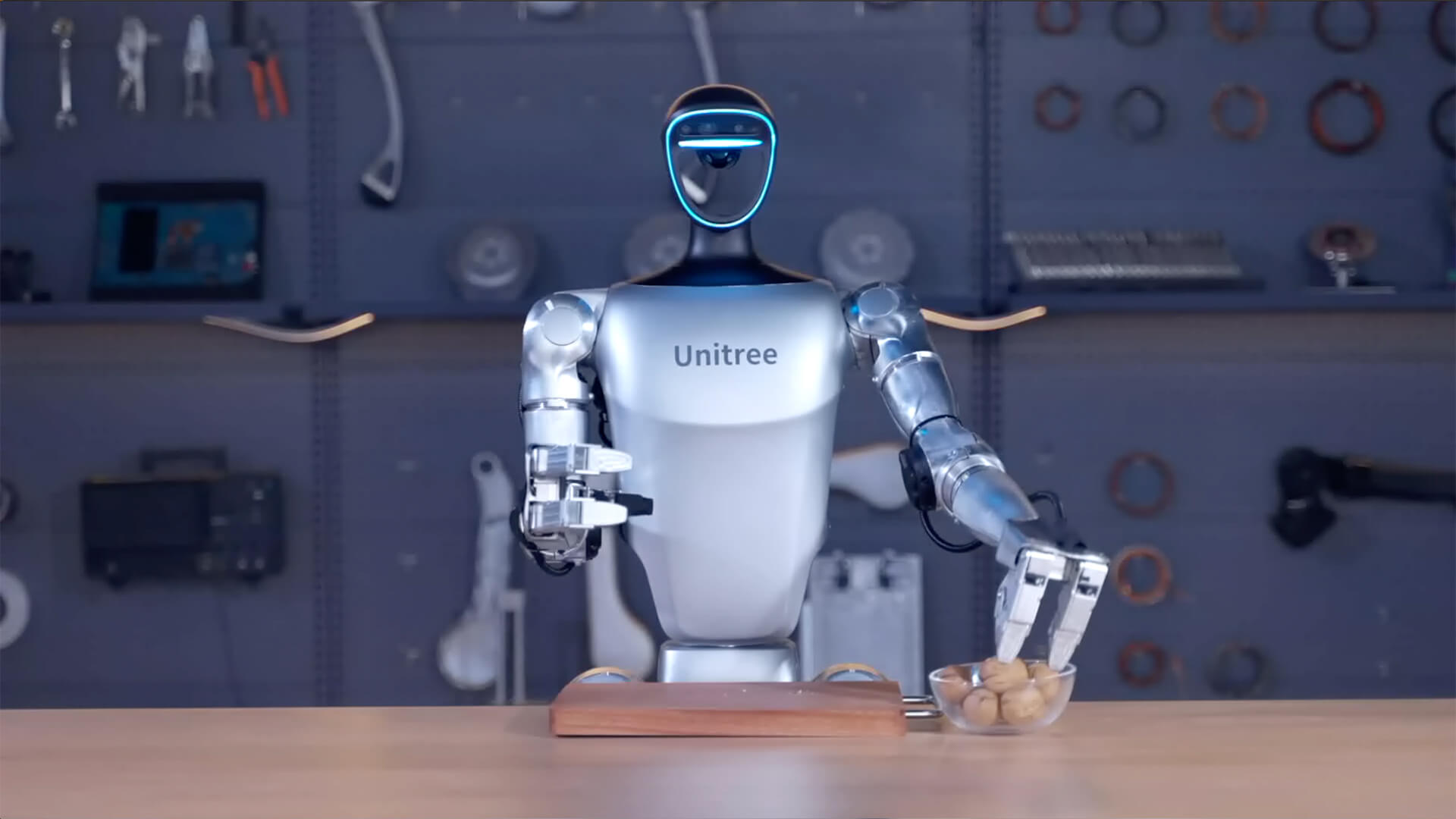
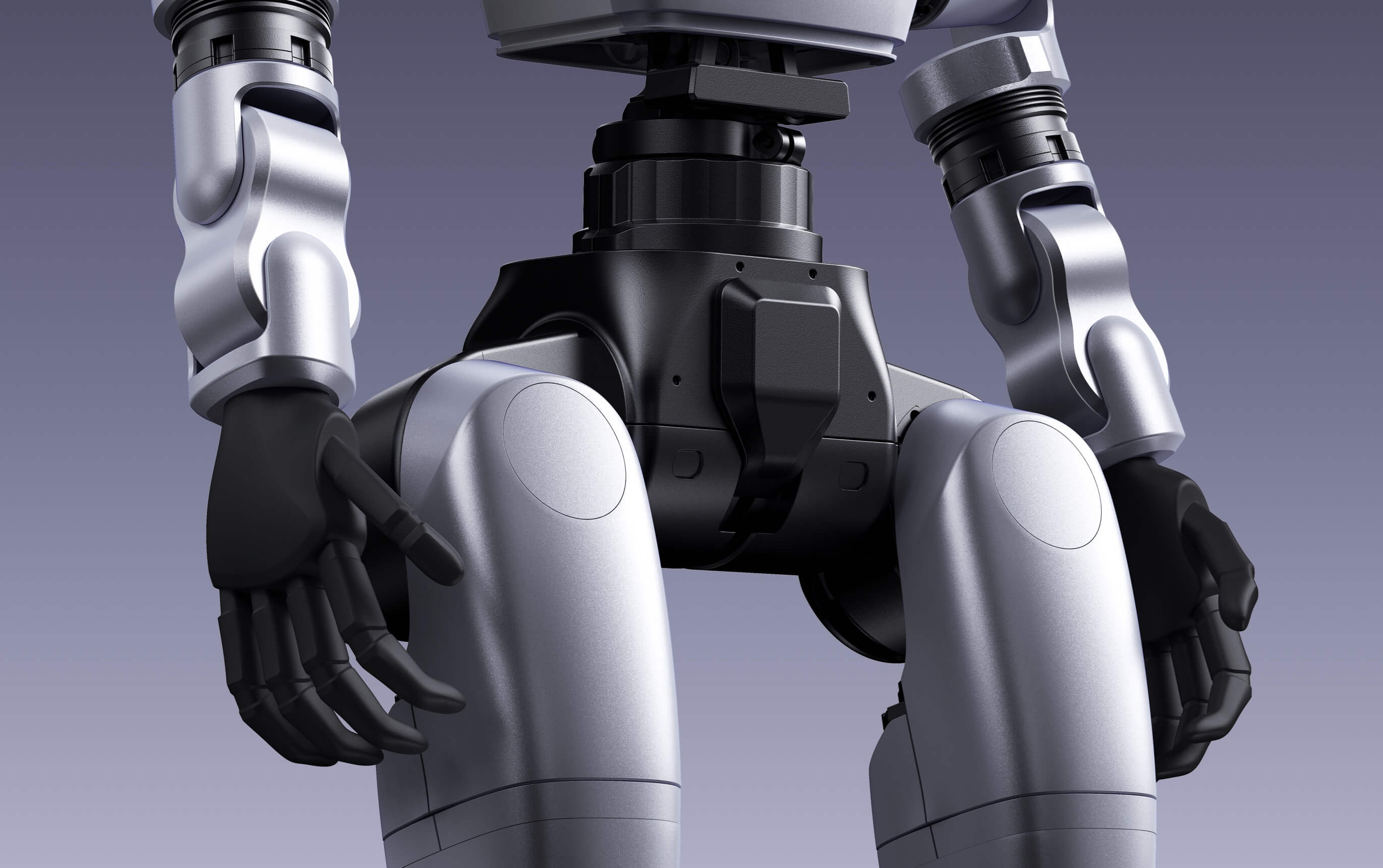
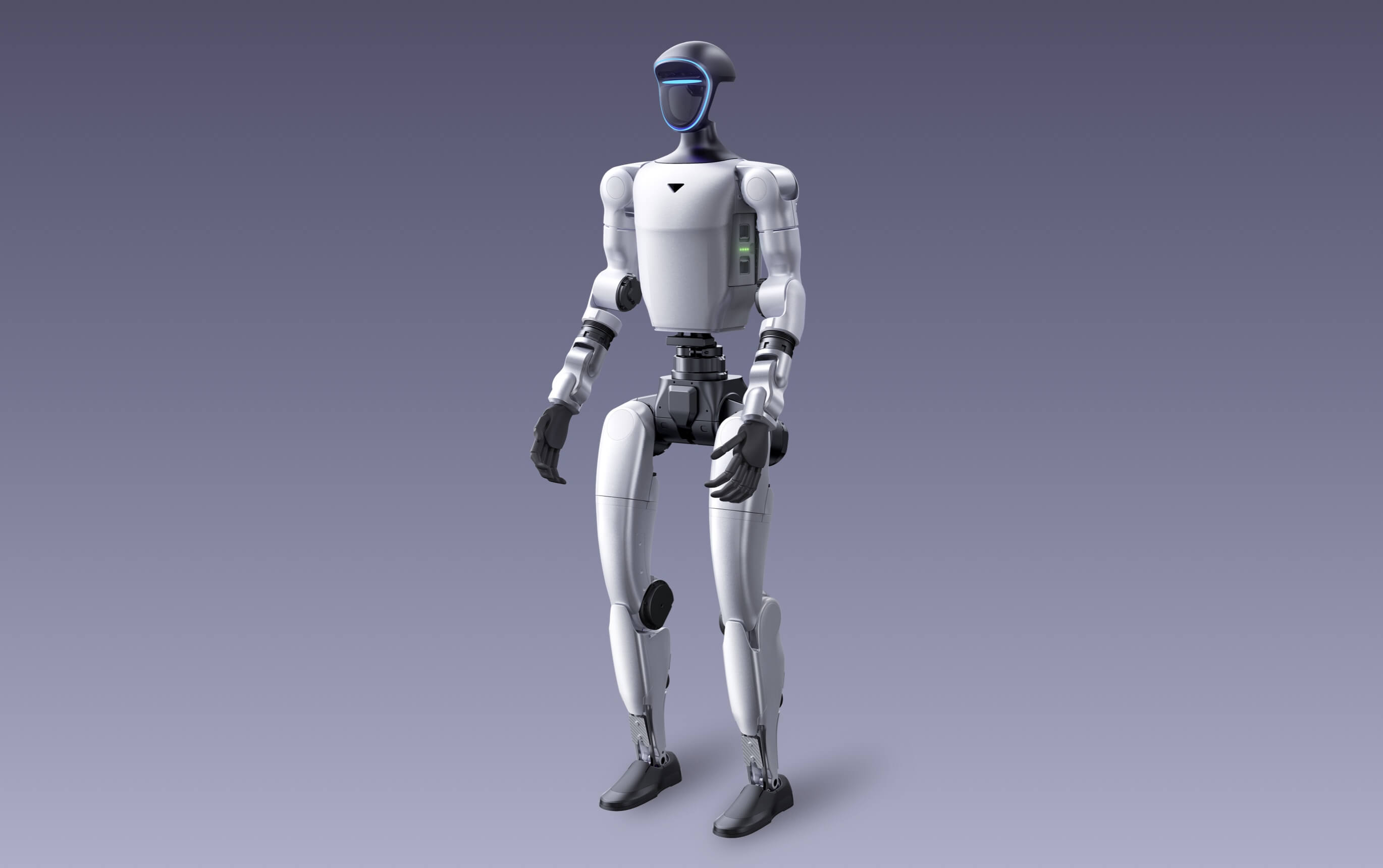
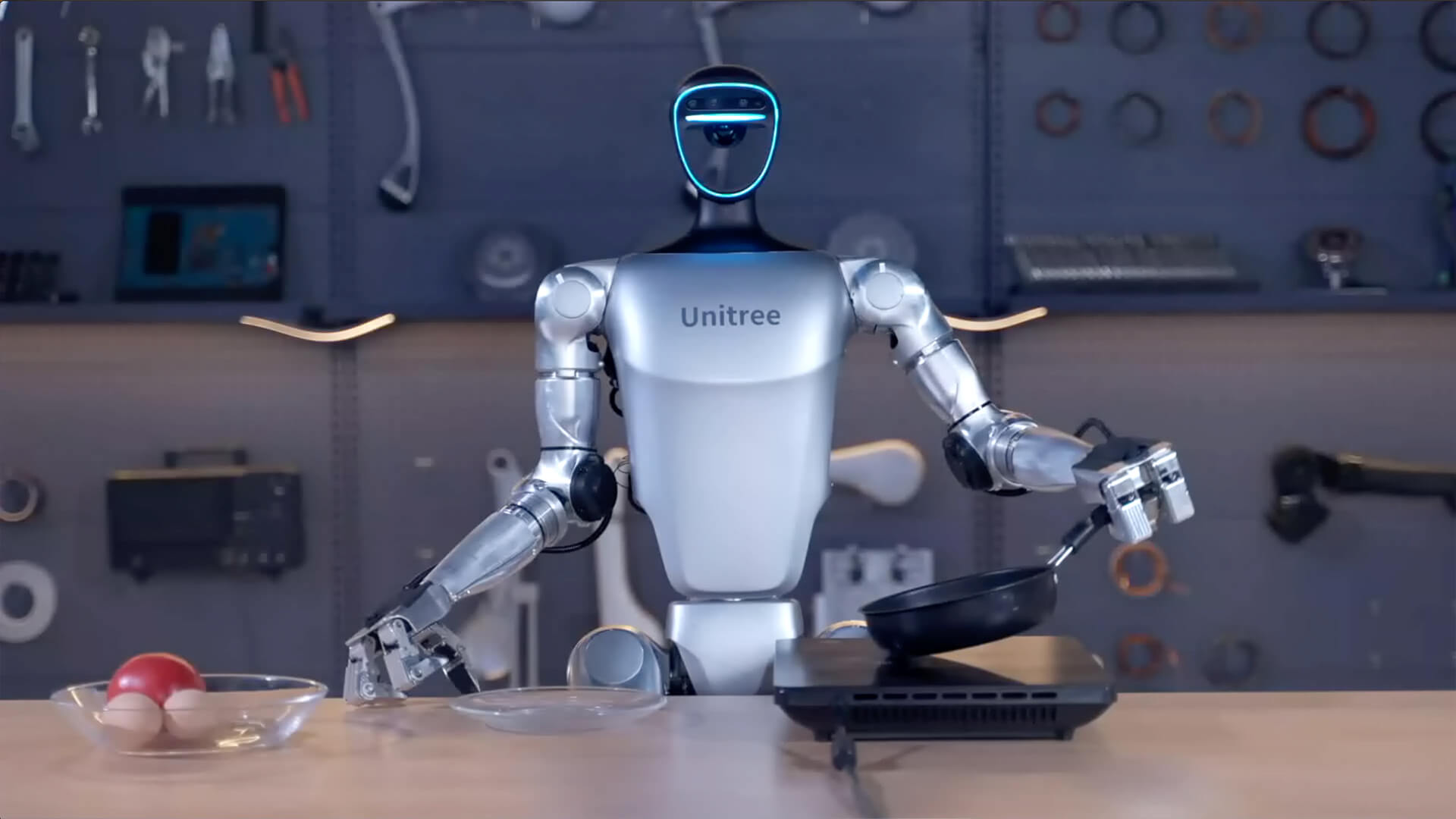
While Meta focuses on internal research, other manufacturers are advancing toward commercial readiness. For instance, Unitree Robotics has released the G1 humanoid agent, which features 23 to 43 degrees of freedom and a force-control dexterous hand capable of precise object manipulation.
Another example is SoftBank's Pepper social robot, designed specifically to connect with people in hospitality and senior living settings. Pepper focuses on creating unique experiences, handling routine tasks, and gathering data over conversations to assist human teams.
It is essential to note that while "Max" represents the cutting edge of research, products like Unitree G1 and Pepper represent more established commercial offerings. A buyer must verify whether a robot's capabilities align with their specific operational needs rather than assuming all humanoid robots share identical features.
Practical Implications for Melbourne Buyers
For a robotics team or business owner in Narre Warren or south-east Melbourne, the emergence of "Max" underscores the importance of verifying exact configurations before committing to a supplier. The gap between a research prototype and a deployable receptionist system is significant.
A buyer must confirm that the robot's software stack supports their intended tasks. Does the system handle booking telephony? Can it navigate safely in a busy lobby without human intervention? These questions require more than marketing brochures; they need technical verification from the manufacturer.
Furthermore, safety assessments are non-negotiable. WorkSafe Victoria has recently issued alerts regarding forklift injuries and loading ramp accidents, highlighting the critical nature of plant safety in industrial and commercial settings. A humanoid robot entering a public lobby must undergo rigorous safety testing to ensure it does not pose a risk to staff or customers.
Defining the Pilot Scope
A local pilot could be scoped by focusing on low-risk, high-value tasks within a controlled environment. For example, a receptionist robot might be tasked with greeting visitors, displaying digital signage, and managing basic queue information while human staff remain present for complex interactions.
Such a pilot should not claim full autonomy or assert that the robot handles all customer inquiries independently. Instead, it should operate as an assistant, freeing human employees from repetitive tasks while maintaining a clear human fallback for sensitive issues. The goal is to demonstrate feasibility and gather data on performance in real-world conditions.
Key Verification Points for Suppliers
When engaging with suppliers, buyers must ask specific questions regarding configuration, support, and total landed cost. Exact configuration details are paramount; a robot designed for industrial manipulation may differ significantly from one optimized for social interaction.
Intended task alignment is another critical factor. A receptionist role requires different sensor suites and software logic than a warehouse navigation unit. Buyers should request detailed specifications on voice recognition range, gesture interpretation accuracy, and obstacle avoidance capabilities.
Local delivery and support are logistical considerations that cannot be overlooked. Even if a robot is manufactured overseas, the need for local assembly, integration, and ongoing maintenance in Melbourne or Narre Warren requires a robust supply chain.
Operator training is often an overlooked cost but is essential for successful deployment. Staff must understand how to interact with the robot, troubleshoot minor issues, and ensure safety protocols are followed.
Finally, total landed cost includes not just the hardware price but also software licensing, integration services, insurance, and potential safety certification fees. An itemised supplier quote is necessary to understand the full financial commitment.
The Path Forward for Robotics Teams
The news from Meta serves as a timely hook for those researching humanoid robotics in Australia. It demonstrates that the technology is advancing rapidly, but it also reminds buyers that research does not equal commercial readiness.
Organizations should approach this space with caution, focusing on practical applications rather than hype. Whether considering a social robot like Pepper or an advanced biped like Unitree G1, the priority must be on verifying capabilities through demonstration and pilot programs.
For those interested in exploring these options, KproApps is based in Narre Warren and welcomes enquiries from Melbourne and south-east Melbourne regarding intended use cases. Readers are encouraged to contact KproApps to discuss their specific requirements and explore the available resources on the website.
Conclusion
The development of "Max" signals a new era in humanoid robotics, but it also highlights the complexities involved in deploying such technology. For buyers in Melbourne, the focus must remain on practical verification, safety compliance, and clear operational definitions. By engaging with suppliers through structured pilots and detailed due diligence, organizations can navigate this evolving landscape effectively.
For more information on exploring humanoid robots in Australia, please visit our dedicated page. To proceed with your inquiry, we invite you to Request a robot quote today.
Explore humanoid robots in Australia for buying context.
Frequently asked questions
Is Meta's Max prototype available for purchase in Melbourne?
No, Meta explicitly states the collaboration with Fourier is for internal research and experimentation with no plans to sell these units.
How do I verify if a humanoid robot is safe for my business in Victoria?
You must verify safety certifications and conduct your own risk assessment, as WorkSafe Victoria emphasizes rigorous plant safety standards for all machinery.
What is the difference between research prototypes like Max and commercial units?
Research prototypes focus on internal development and iteration without sales intent, whereas commercial units are designed for reliable deployment and customer use.
Sources and further reading
- Meta Reportedly Built “Max” Humanoid With Fourier, With a Second Version Underway — Humanoids Daily (2026-11-01)
- Schaeffler and Wandelbots enter into technology partnership — Robotics & Automation News (2026-10-30)
- Unitree G1 humanoid robot — Unitree Robotics
- Plant safety guidance — WorkSafe Victoria
- Pepper social robot — SoftBank Robotics America
Specifications, configurations, availability and manufacturer terms can change. Confirm the current product configuration and written quotation before ordering.