This analysis draws on the lead news report.
Bleu Robotics Raises €5 Million: Implications for Melbourne Humanoid Buyers
Today in Sydney, Robotics & Automation News reports that Bleu Robotics, a Paris-based startup, has raised €5 million in pre-seed funding to accelerate the deployment of AI-driven humanoid robots across industrial factories. The company aims to compress its software development cycle, targeting a full deployment timeline of one hour or less per task.
Explore humanoid robots in Australia for more on the Australian market context.
The Software Bottleneck in Manufacturing
While global industrial robot counts reached 5 million in 2025, most are limited to repetitive tasks. Modern manufacturing faces a "high-mix, low-volume" challenge where human workers still perform complex, adaptive roles. Bleu Robotics addresses this by developing an abductive learning model that requires only ten operator demonstrations to learn new tasks, bypassing the need for massive datasets.
This approach contrasts with traditional methods that rely on millions of data points. As noted by investor Thomas Poitrineau at Contrarian Ventures, this methodology allows robots to be deployed within months rather than years. For Australian manufacturers, this signals a shift from hardware-centric purchases to software-enabled agility. The funding will specifically support growing the team and scaling the software solution across industries in pursuit of its goal to reduce the full humanoid robot deployment process to one hour or shorter.
Comparing the Landscape: Bleu vs. Tesla Optimus
While Tesla is reportedly opening reservations for its Optimus robot in early December 2026, the focus remains on consumer waitlists and potential commercial deliveries by late 2027. The San Francisco Standard reports that Tesla's V3 generation will likely prioritize industrial work.
In contrast, Bleu Robotics' funding specifically targets closing the gap between hardware and software for factory automation. Unlike the consumer-focused reservation model of Optimus, Bleu's strategy is built on rapid retraining at the workstation using handheld training devices. Buyers in Melbourne must distinguish between a robot that requires extensive coding versus one that learns directly from operator demonstration. The reported December reservation window for Tesla sits well ahead of the delivery timetable discussed in its Q3 earnings update, where Musk indicated external company deliveries were likely toward the end of 2027.
Practical Implications for Narre Warren and Melbourne Teams
For robotics teams based in Narre Warren or south-east Melbourne, this funding round signals increased competition for industrial software partners. A buyer cannot assume that a robot purchased today will adapt to next month's production changes without verification. The ambition of Bleu Robotics is to become the software of choice for manufacturers to deploy and manage robotic work at scale, yet local buyers must navigate the complexities of integrating such technology.
Key considerations include:
- Software Agility: Can the robot learn new tasks quickly without retraining?
- Data Requirements: Does the system need vast datasets or can it operate with minimal demonstration?
- Local Support: Is there a partner available for on-site training and maintenance?
Critical Verification Steps Before Purchase
Before finalizing a contract, buyers must verify specific capabilities beyond marketing claims. The report highlights that while hardware has advanced significantly in recent years, software development has struggled to keep pace, limiting real-world deployment. Buyers need to ensure their chosen solution does not suffer from this limitation.
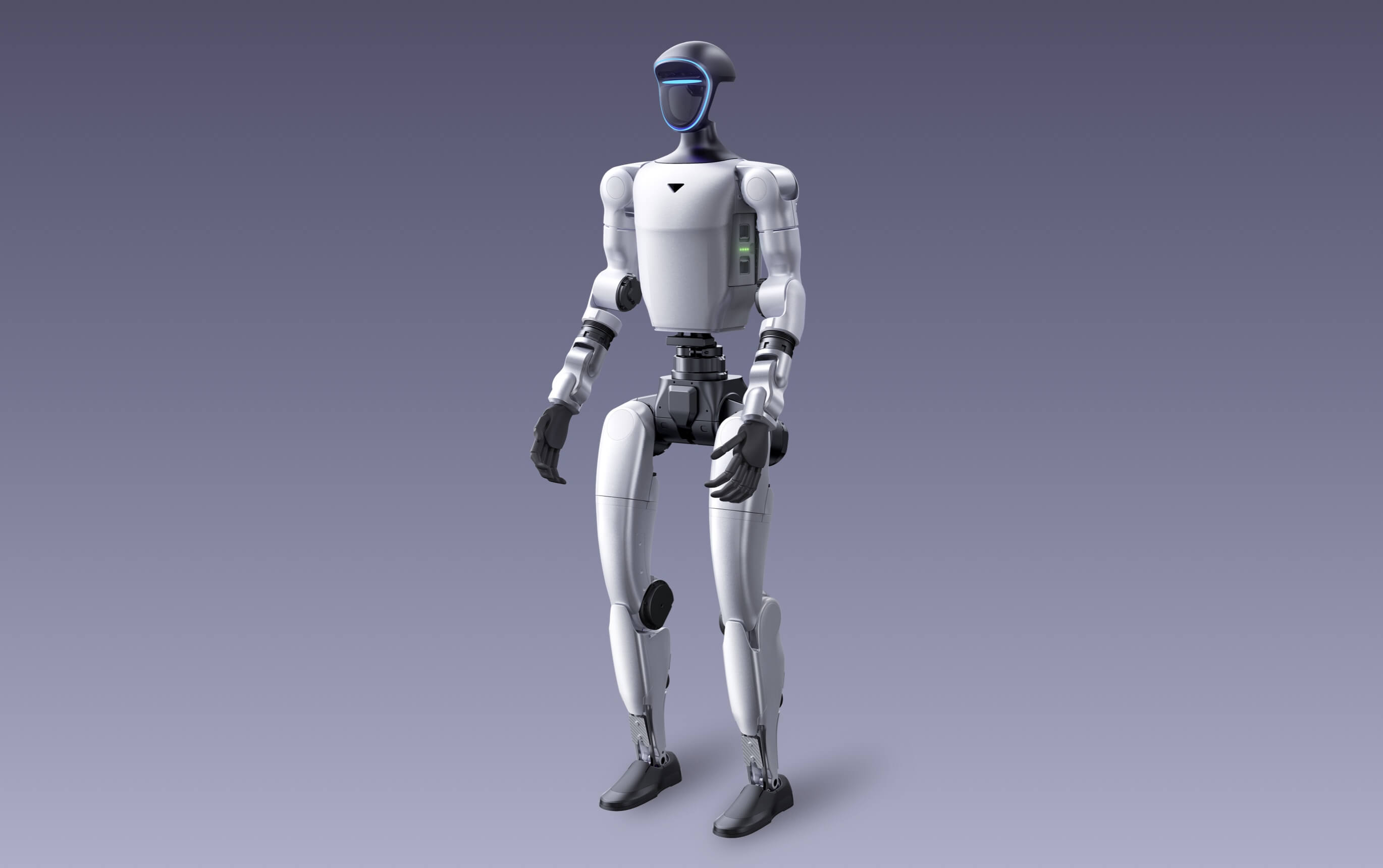
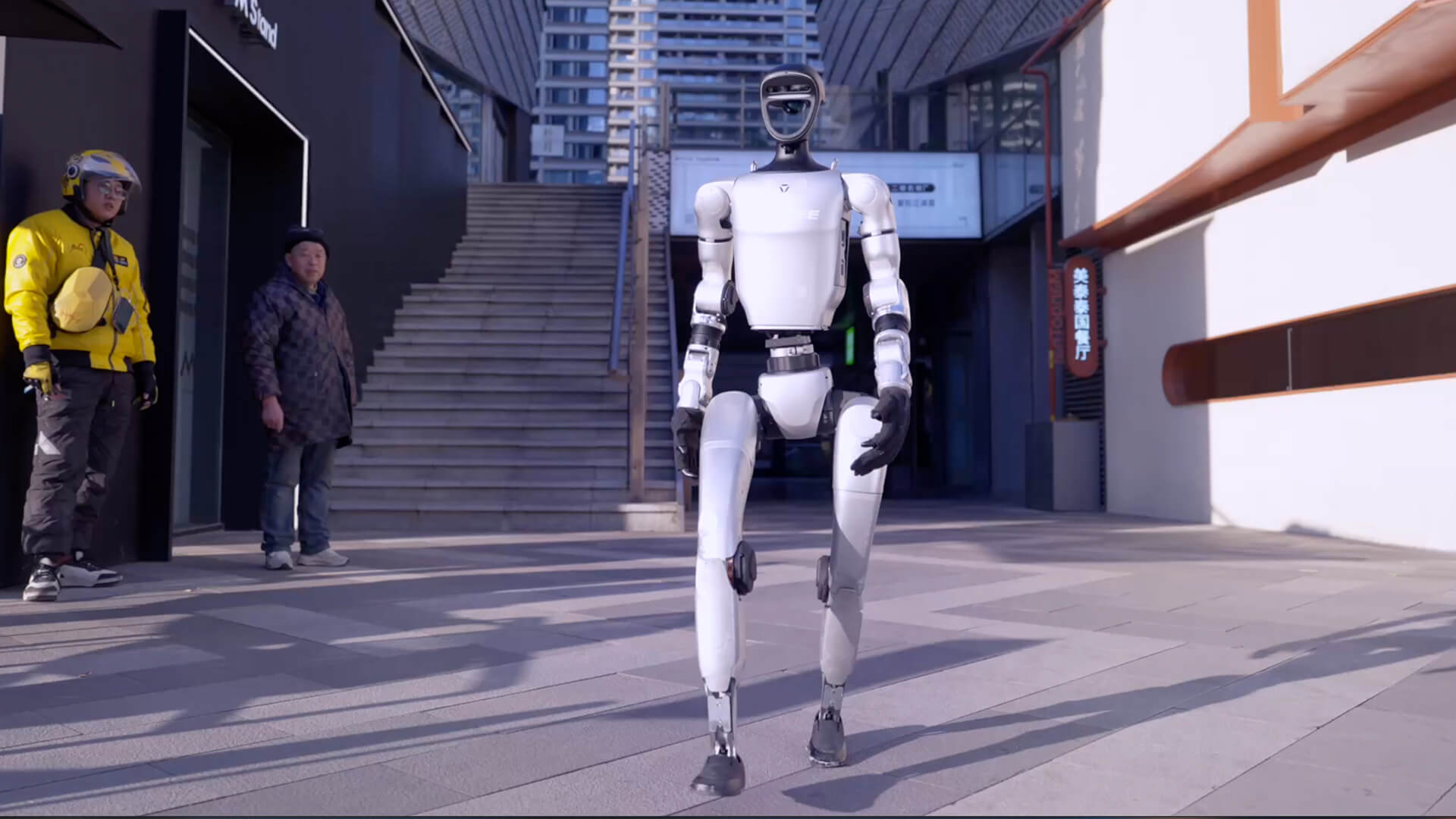
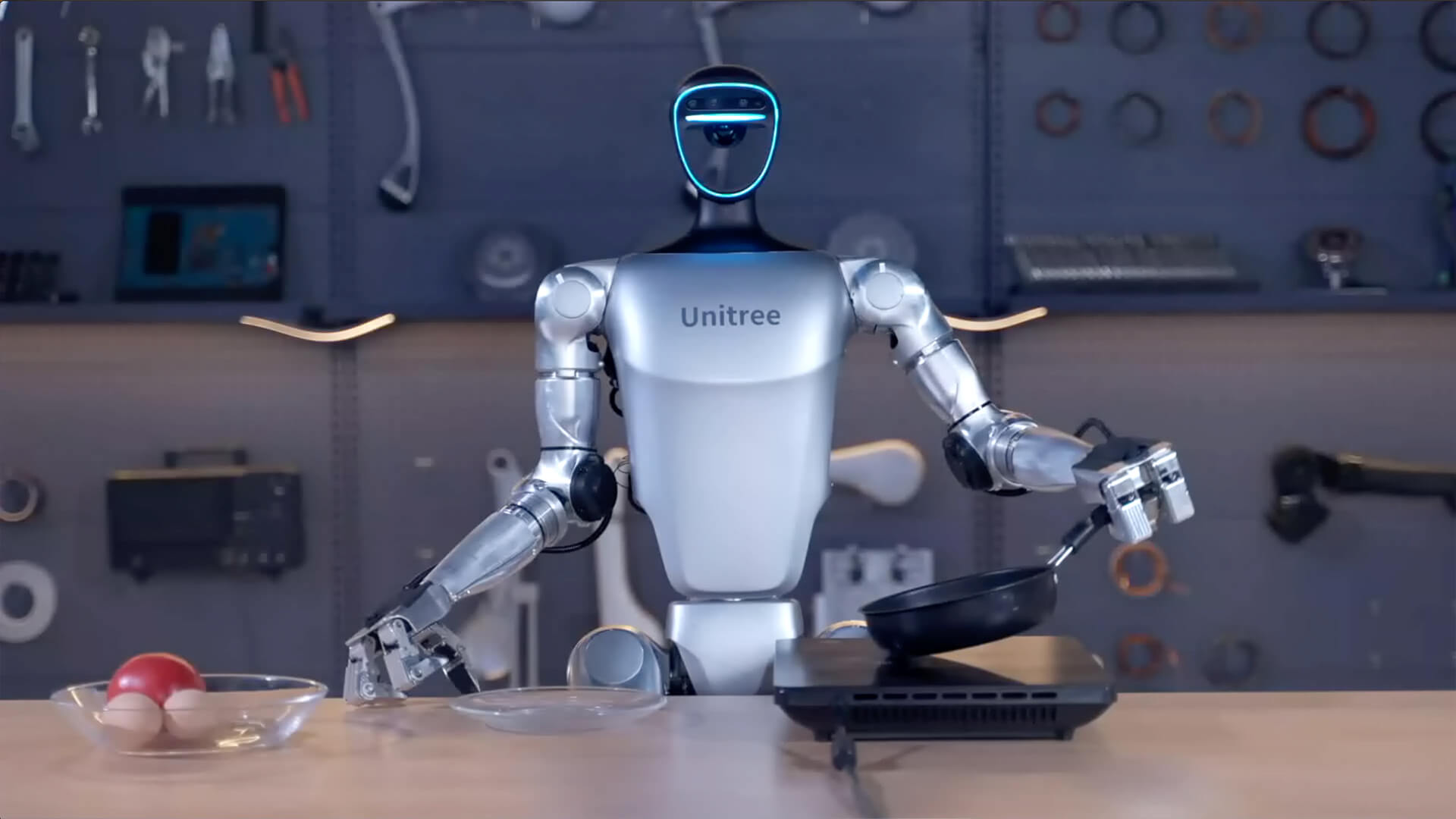
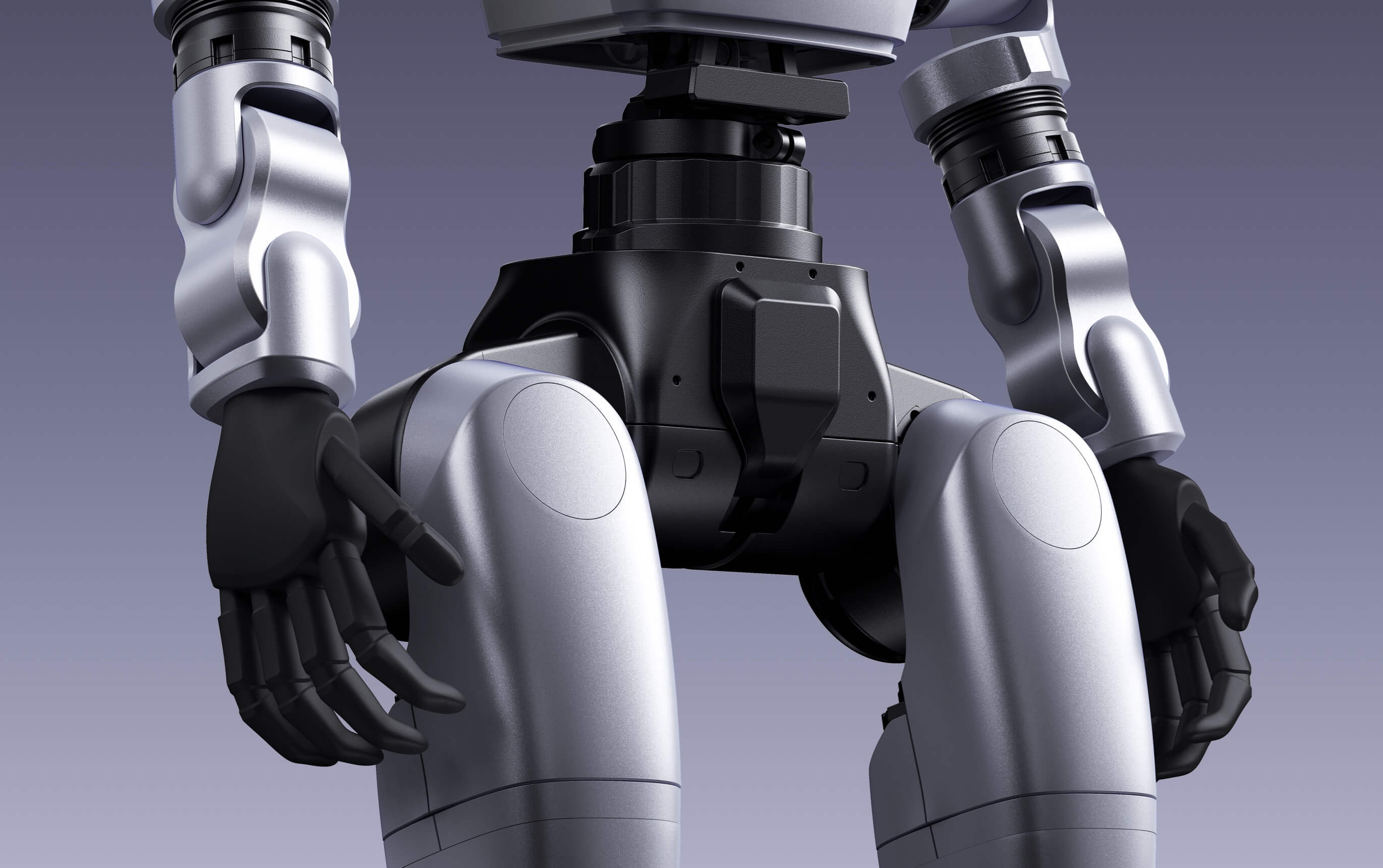
- Exact Configuration: Confirm the robot's degrees of freedom, joint motor type, and payload capacity match your specific task. For instance, the Unitree G1 features 23 to 43 joint motors and a three-fingered dexterous hand, but buyers must verify if these specifications align with their high-mix needs.
- Intended Task Fit: Ensure the robot's abductive learning model suits your high-mix production needs rather than fixed automation. The goal is to automate a wider range of complex tasks where human workers currently operate.
- Local Delivery and Support: Verify if the supplier can provide on-site training and maintenance within Victoria. Remote support may not suffice for critical industrial applications.
- Operator Training: Assess the time required for staff to become proficient with the new system. The ability to teach tasks directly at the workstation using handheld grippers that remove the need for coding is a significant advantage.
- Safety Assessment: Confirm compliance with WorkSafe Victoria regulations, especially regarding force control and dexterity. Safety alerts from WorkSafe Victoria remind operators to assess and control risks, such as rollover dangers on inclines, which translates to humanoid interaction safety.
- Total Landed Cost: Request an itemised quote covering software licensing, training hours, and potential integration costs. Costs can vary significantly depending on the complexity of the task and the level of support required.
Safety Compliance in Victorian Factories
WorkSafe Victoria recently highlighted the importance of safety assessments following a forklift incident in Melbourne's south-east, where a worker was seriously injured. This underscores that while humanoid robots offer new automation opportunities, they must adhere to strict plant safety standards. Plant safety guidance emphasizes that everything about plant in one place requires careful consideration.
When integrating humanoid robots, buyers must ensure:
- The robot includes force-position hybrid control for safe interaction.
- Safety protocols are explicitly defined and tested.
- Local regulatory compliance is verified before deployment.
Scoping a Local Pilot Project
A local pilot could be scoped by selecting a single, repetitive task within the factory environment. Teams should aim to demonstrate that the robot can adapt to variations in this task without reprogramming. This approach allows for real-world data collection to validate the abductive learning model's effectiveness before scaling to full production lines.
The pilot should focus on tasks where the robot needs to infer intent from operator demonstrations rather than executing pre-programmed sequences. By limiting the scope, teams can gather the necessary feedback to refine their integration strategy. This method aligns with Bleu Robotics' goal of reducing deployment time and minimizing data requirements.
The Path Forward: KproApps as Your Local Partner
KproApps is based in Narre Warren and welcomes enquiries from Melbourne and south-east Melbourne. We understand that navigating the complexities of humanoid robotics requires more than just hardware; it demands expert guidance on software, safety, and integration.
To avoid pitfalls like unsupported statistics or unverified capabilities, we recommend contacting us to discuss your intended use case. Our team can help you evaluate options such as the Unitree G1, which features a Unified Robot Large Model (UnifoLM) and continuous OTA upgrades, alongside emerging solutions from global leaders. The Unitree G1 offers flexibility beyond ordinary people with extra large joint movement angles and force control dexterous hands.
Request a robot quote to get an itemised supplier quote tailored to your factory's needs. Do not rely on generic pricing; ask for a breakdown of software costs, training hours, and local support fees.
Next Steps: Secure Your Quote Today
The window for early adoption is opening as companies like Bleu Robotics scale their operations. To ensure you are equipped with the right technology for your specific manufacturing challenges, visit our website to explore available options and request a custom quote from a trusted Australian partner.
Contact KproApps today to discuss your project requirements.
Frequently asked questions
How does Bleu Robotics' software differ from traditional robot training methods?
Bleu uses an abductive learning model requiring only ten operator demonstrations instead of millions of data points, allowing faster adaptation to high-mix manufacturing tasks.
What safety considerations should I verify before deploying a humanoid robot in Victoria?
Verify force control capabilities, local regulatory compliance with WorkSafe Victoria, and ensure the supplier provides documented safety protocols for your specific task.
Can I expect immediate industrial delivery of humanoid robots like Tesla Optimus?
Tesla's reservations open in December 2026 but target late 2027 commercial deliveries; Bleu Robotics aims for faster factory deployment cycles via software integration.
Sources and further reading
- Bleu Robotics raises €5 million to scale humanoid robot deployment in factories — Robotics & Automation News (2026-10-30)
- Tesla Reportedly Plans Optimus Reservations for Early December — Humanoids Daily (2026-10-30)
- Unitree G1 humanoid robot — Unitree Robotics
- Plant safety guidance — WorkSafe Victoria
Specifications, configurations, availability and manufacturer terms can change. Confirm the current product configuration and written quotation before ordering.