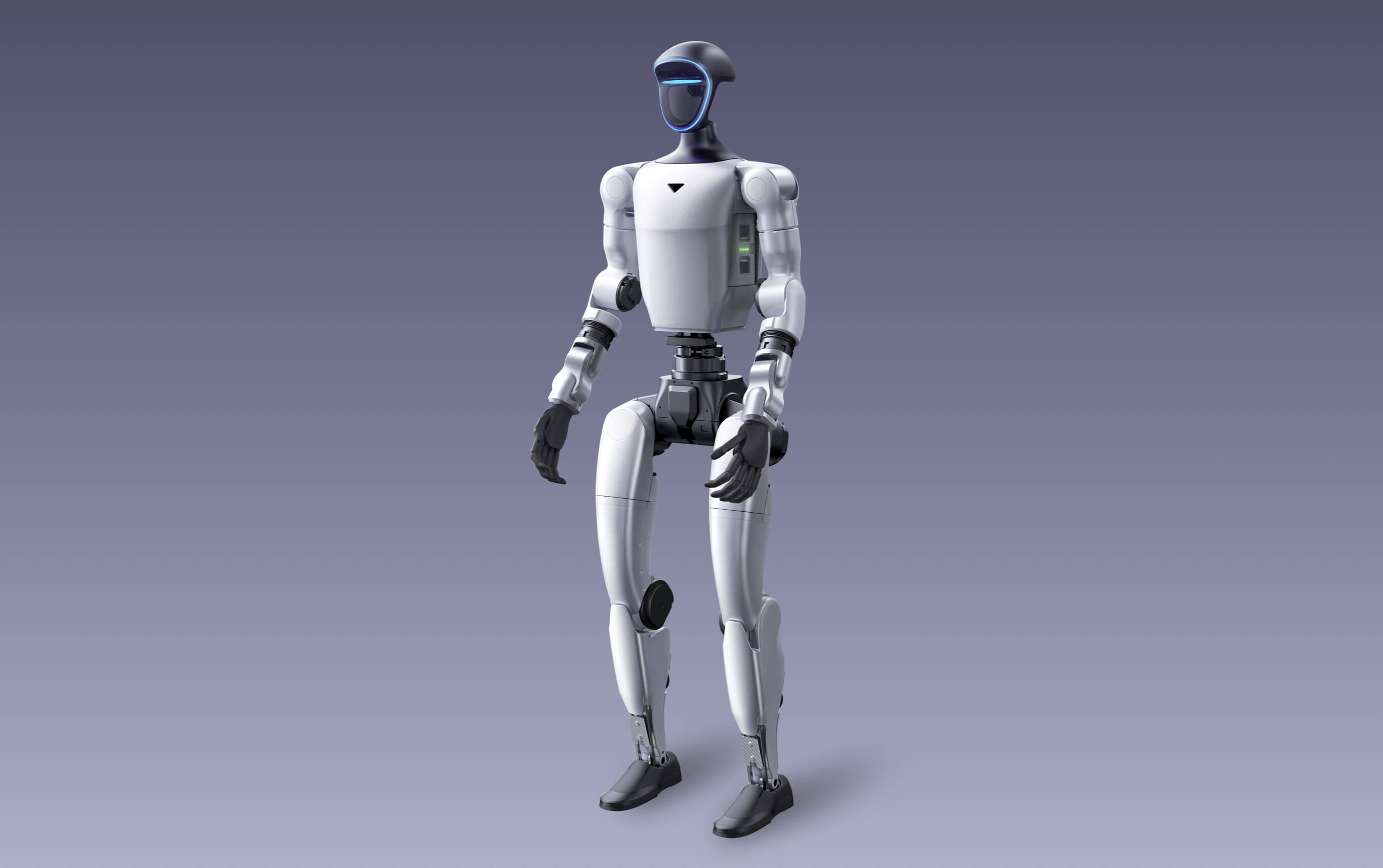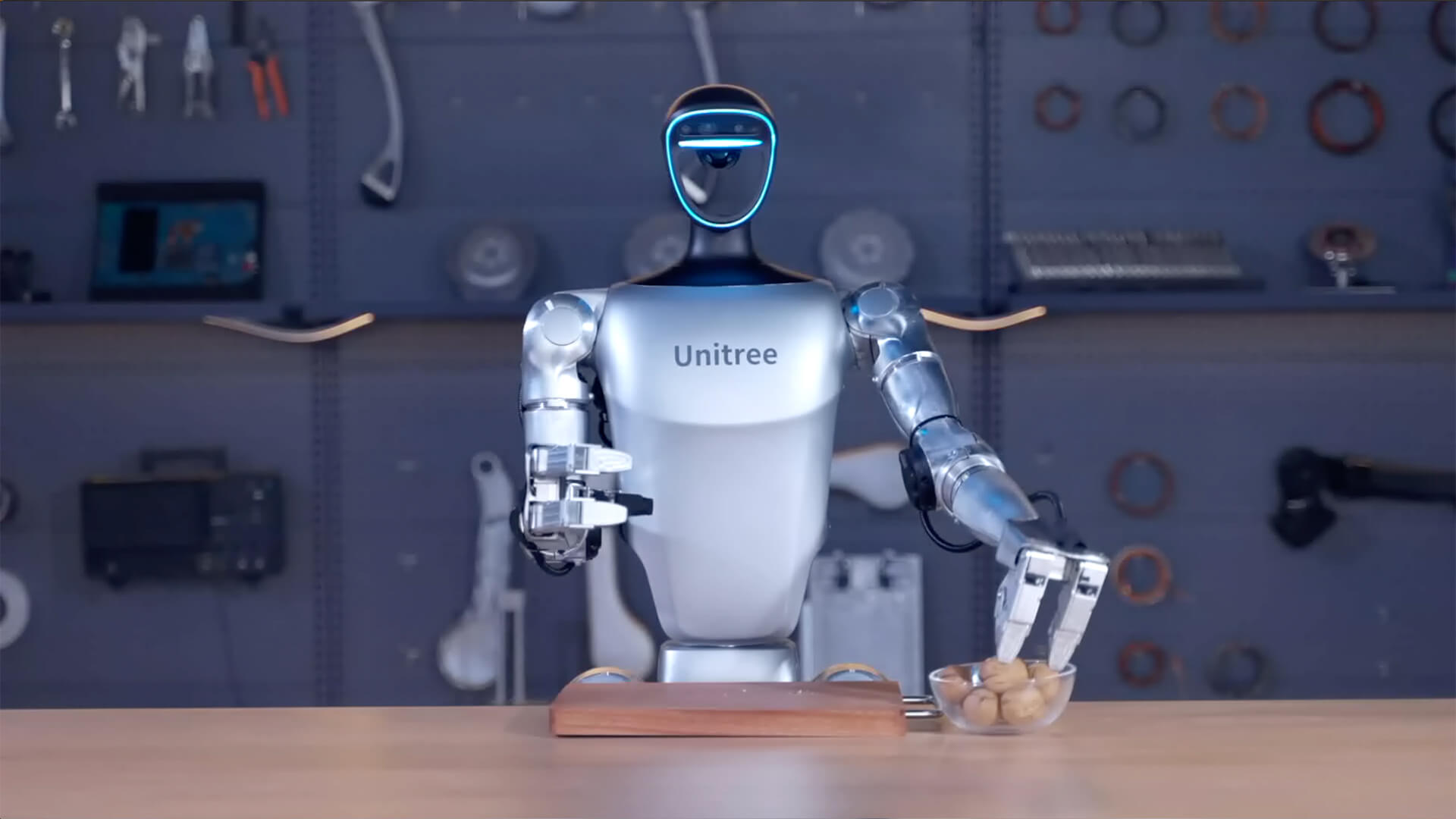
Australian healthcare and aged care depend on skilled, human relationships. Robots should support staff and residents—not substitute for clinical judgement, personal care, consent or empathy.
Near-term value is more likely in non-clinical logistics, research, supervised rehabilitation exercises, education and social engagement. Every use must be designed around dignity, safety, privacy and accessibility.
Support non-clinical movement and logistics
Robots may help move supplies, guide visitors or support repetitive internal tasks in controlled areas. A humanoid form could become useful where doors, lifts, shelves or hand-level interfaces matter.
Hospitals and care facilities are unpredictable. Start away from urgent clinical workflows and validate infection control, noise, navigation and human traffic.
Use robotics in supervised research
Universities and health services can study rehabilitation prompts, movement, assistive interfaces and human-robot interaction under appropriate clinical and research governance.
Do not convert a research prototype into a care promise without evidence, approvals and a clear accountable clinician or service owner.
Design social engagement with dignity
A robot may support games, conversation or technology activities where residents choose to participate. It should never deceive a person about whether it is human or replace requested human contact.
Provide an easy opt-out, accessible explanations and staff oversight. Consider cognitive impairment and individual preferences.
Protect health and personal information
Cameras, microphones and cloud services may collect sensitive information. Minimise collection, document purpose, control access and assess where data is processed.
Privacy review should occur before a public or resident-facing pilot, not after recordings exist.
Measure benefit to people
Evaluate staff time, task completion, resident experience, accessibility, incidents and unintended burden. Include staff, residents, families and clinical governance in review.
Stop or redesign a pilot that creates anxiety, extra work or unsafe reliance.
Practical note: A humanoid should augment care teams. Clinical judgement, consent and compassionate human care remain human responsibilities.
Frequently asked questions
Can humanoids replace aged-care workers?
They should not be treated as replacements for personal care, clinical judgement or human relationships. They may support selected logistics, research or engagement tasks.
What privacy issues arise?
Cameras, microphones and connected systems may collect personal or health information. Organisations need privacy, security, consent and data-governance review.
What is a suitable first healthcare pilot?
A non-clinical, supervised task with low consequence if interrupted—such as research or controlled logistics—is generally more appropriate than patient-critical work.
Specifications, configurations, availability and manufacturer terms can change. Confirm the current product configuration and written quotation before ordering.