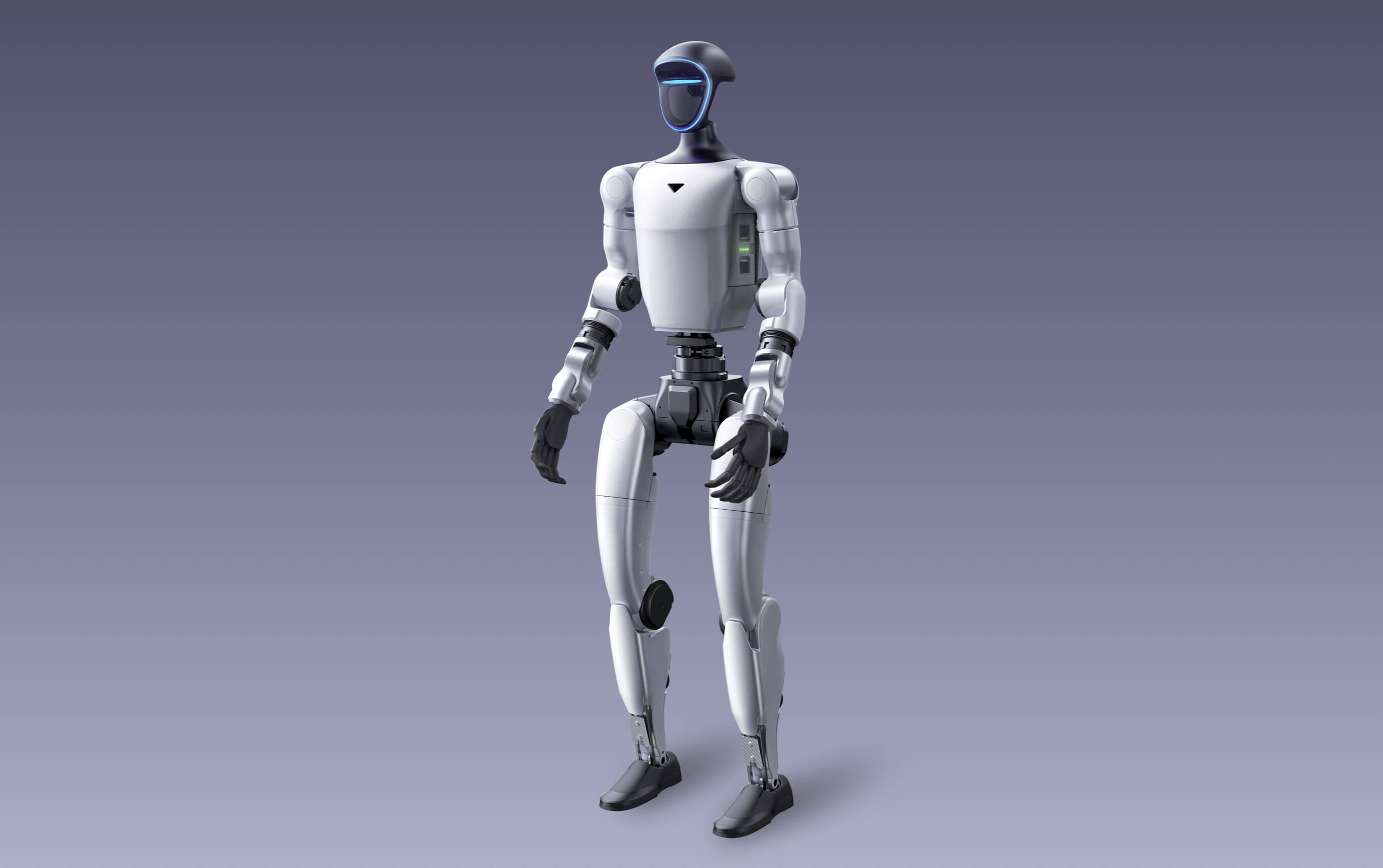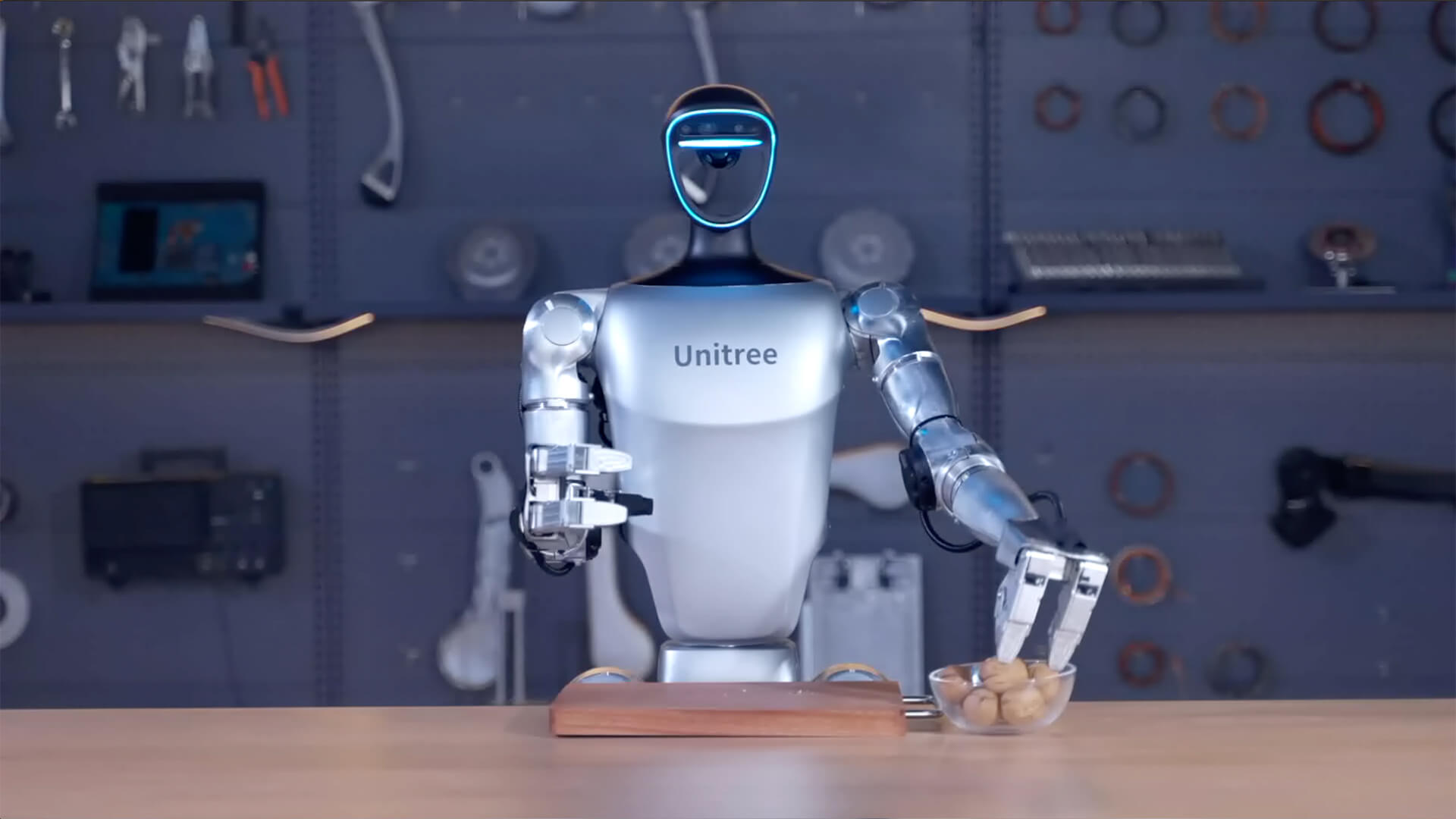
Humanoid robots are useful to Australian organisations when their human-shaped reach, mobility or interaction solves a defined problem. They are not yet general workers that can be placed into any workplace and left alone. The strongest projects begin with one measurable task and a team prepared to supervise, integrate and improve it.
Australia’s National Robotics Strategy identifies productivity, safer work, manufacturing capability, workforce pressure and responsible adoption as national opportunities. Humanoids are one part of that broader robotics picture, alongside robot arms, autonomous vehicles, drones and quadrupeds.
Move people away from dirty, dull and dangerous work
Australian mining, construction, utilities and manufacturing teams regularly manage repetitive inspection, awkward handling and hazardous environments. A humanoid may eventually operate human tools, stairs and workspaces without rebuilding the entire site. Today, the realistic starting point is a supervised trial in a restricted zone.
The benefit is not simply labour replacement. A useful pilot asks whether a robot can reduce exposure, collect better evidence or let skilled workers focus on diagnosis, maintenance and judgement.
Extend research and technical training
Universities, TAFEs and company innovation teams can use development editions to teach control, perception, simulation, reinforcement learning and human-robot interaction on one physical platform. The robot turns abstract AI into a system students can measure, break down and improve.
Shared simulation, recorded datasets and disciplined booking make one robot useful to more learners while protecting physical hardware from rushed experiments.
Support service and engagement experiences
Supervised humanoids can attract attention at exhibitions, visitor centres, retail activations and STEM events. Their value may be education, brand engagement or collecting feedback rather than performing complex autonomous work.
Public-facing deployments need conservative movement, privacy-aware data practices, physical separation and a staffed fallback. A polished interaction script matters as much as the robot.
Choose a task that earns a pilot
List the task frequency, object weights, floor conditions, required judgement, downtime cost and people nearby. Compare a humanoid with a fixed arm, mobile base or simpler process redesign. Human shape should solve a constraint, not be the entire business case.
- A repeatable task boundary
- A safe test area
- A measurable outcome
- A trained operator and recovery plan
- A support and maintenance pathway
Practical note: The first investment should reduce uncertainty. A small pilot with clear acceptance criteria is more valuable than a broad promise of future autonomy.
Build responsible adoption around workers
People who perform the work understand exceptions that a process map misses. Include them when selecting the task, identifying hazards and defining success. Explain what data will be collected and what decisions remain human.
Responsible adoption creates safer, higher-value work when training, consultation and operational ownership grow alongside the technology.
Frequently asked questions
Are humanoid robots ready for Australian workplaces?
They are ready for research, demonstrations and some tightly scoped supervised pilots. Readiness for a particular workplace depends on the task, environment, integration and safety controls.
Will humanoids replace Australian workers?
Current systems are generally better suited to assisting people, supporting research and testing narrow tasks. Organisations should design adoption around safer work and higher-value human roles.
What is the best first humanoid project?
Choose a frequent, observable and non-safety-critical task in a controlled area, then define success and intervention measures before testing.
Specifications, configurations, availability and manufacturer terms can change. Confirm the current product configuration and written quotation before ordering.