This analysis draws on the lead news report.
Humanoid Robots in Melbourne: Lessons from Audi's Parts Sequencing Pilot
Today in Sydney marks a pivotal moment for industrial automation as Humanoids Daily reports that Audi is testing Agile Robots' mobile humanoids for parts sequencing at its Ingolstadt Production Lab. Announced on October 21 at NVIDIA GTC Berlin, this proof of concept involves Dassault Systèmes and NVIDIA, targeting the selection of components from containers for assembly. With daily pick volumes around one million in existing workflows, Audi aims to deploy robots capable of handling varied, unsorted components using dual-arm manipulation and human-height reach. While this is a demonstration without quantified performance results or a factory-wide rollout timetable, it highlights the growing demand for adaptable material-handling solutions.
The Industrial Context: From Showroom to Sequencing
The announcement underscores a shift from simple grasping tasks to complex sequencing challenges. Unlike assembly demonstrations involving weather seals, this project focuses on supply chain logistics—picking components and arranging them for onward delivery. This mirrors similar efforts by BMW at Spartanburg and Hyundai at its Georgia campus, where the goal is to integrate robots into existing factory environments without extensive structural changes.
For a robotics team in Melbourne or Narre Warren, this signals that the market is moving beyond static demonstrators toward dynamic, mobile units capable of navigating cluttered logistics zones. However, a commercial agreement and an experimental use case are not equivalent deployment milestones. The next meaningful evidence for any potential buyer would be sustained pick rates, intervention frequency, component coverage, and operating cost data.
Material Science: The Hidden Barrier to Mass Production
While the Audi project highlights application scenarios, Robotics & Automation News provides critical context on the underlying technology enabling these robots. 2026 is described as the "year of mass production" for humanoid robots, with output projections surpassing 100,000 units. The industry consensus suggests that performance ceilings are determined not just by algorithms but by three foundational material categories: lightweight structural materials, flexible electronic skin, and high-performance batteries.
Lightweighting is crucial; current mainstream approaches combine aerospace-grade aluminum, titanium alloys, and engineering plastics like PEEK. While Tesla's Optimus Gen2 uses PEEK to reduce component weight, the industry faces bottlenecks in data availability for tactile sensing and battery chemistry. Solid-state batteries are accelerating from lab to robotics scenarios, promising a shift from "half a day per charge" toward full-day operation. For buyers in Victoria, understanding these material constraints is vital when evaluating supplier claims about robot speed, endurance, or joint torque.
Distinguishing Capabilities: Social vs. Industrial Humanoids
It is essential to distinguish between social humanoids and industrial bipeds. SoftBank Robotics offers the Pepper social robot, designed for visitor greeting and human handover in hospitality and retail settings. Its capabilities are focused on conversation, personalized recommendations, and data gathering rather than heavy lifting or complex manipulation.
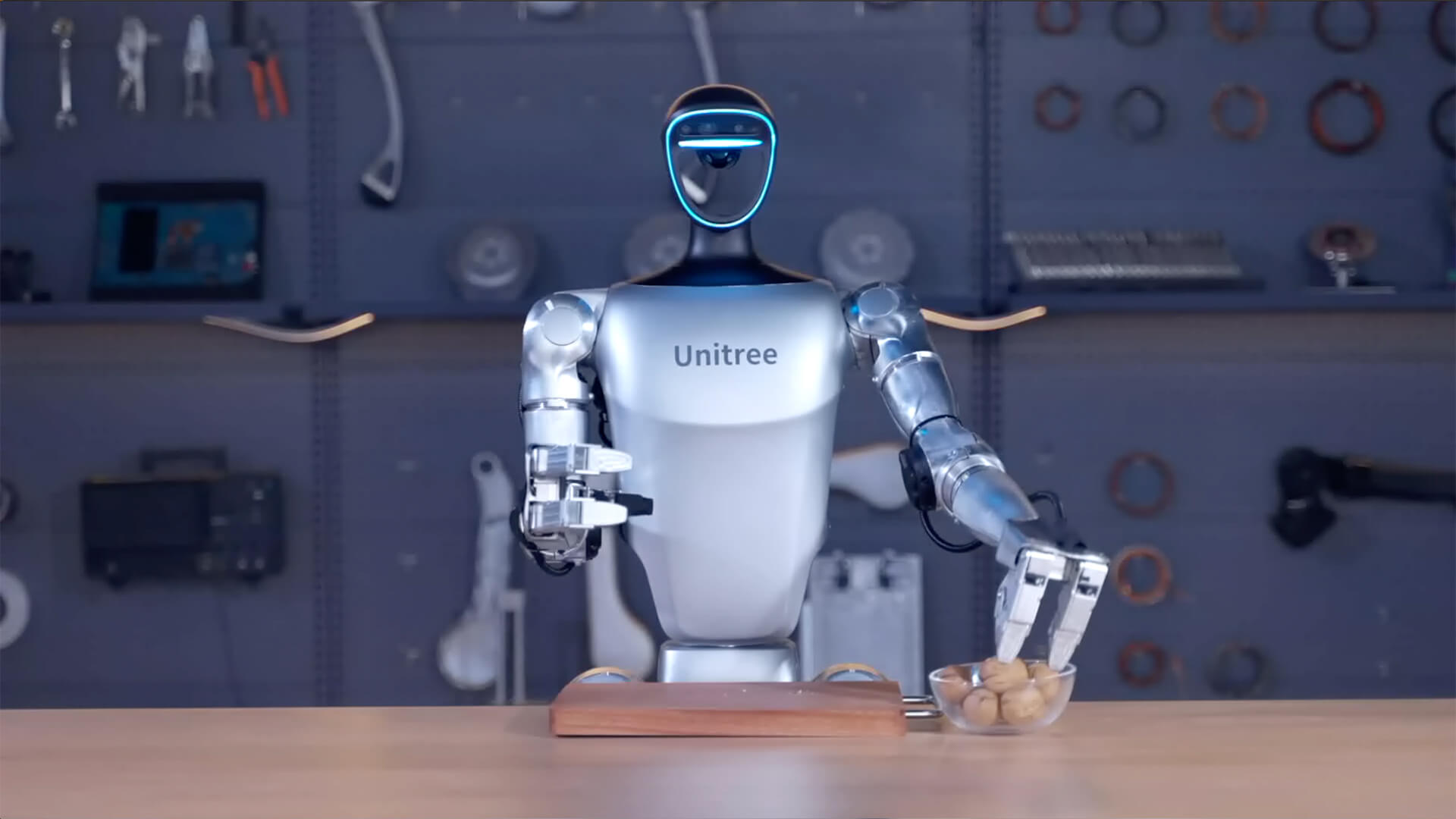
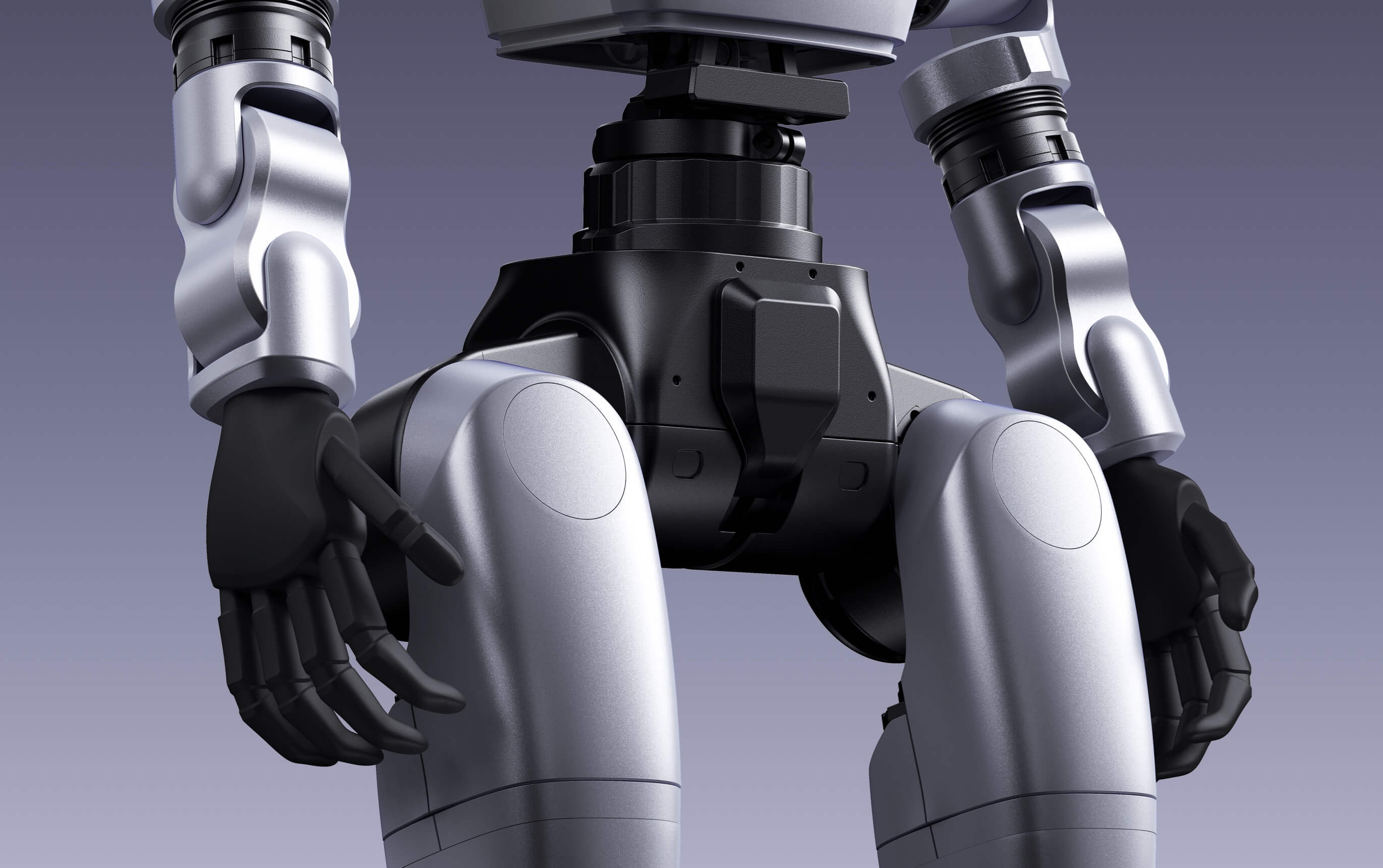
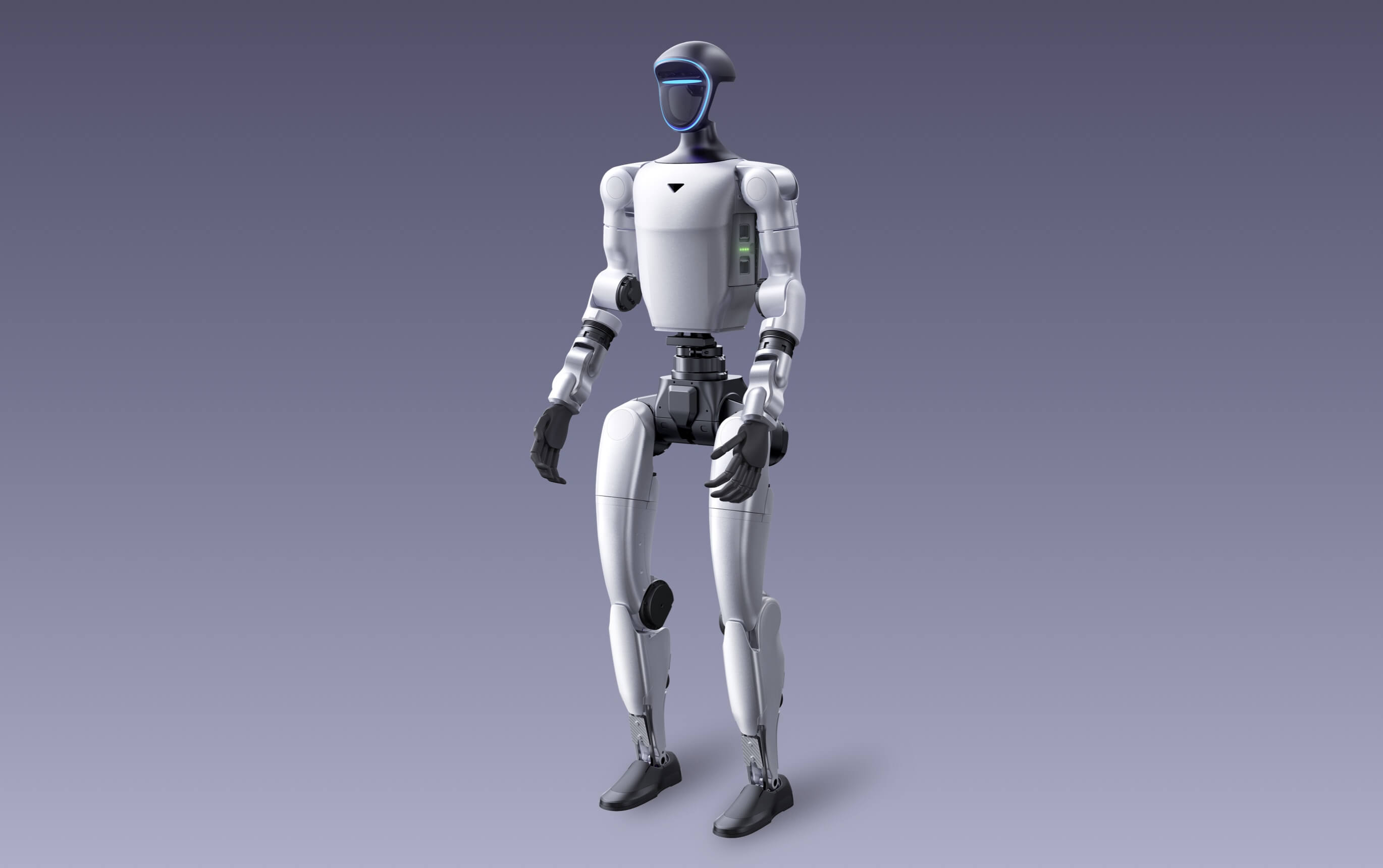
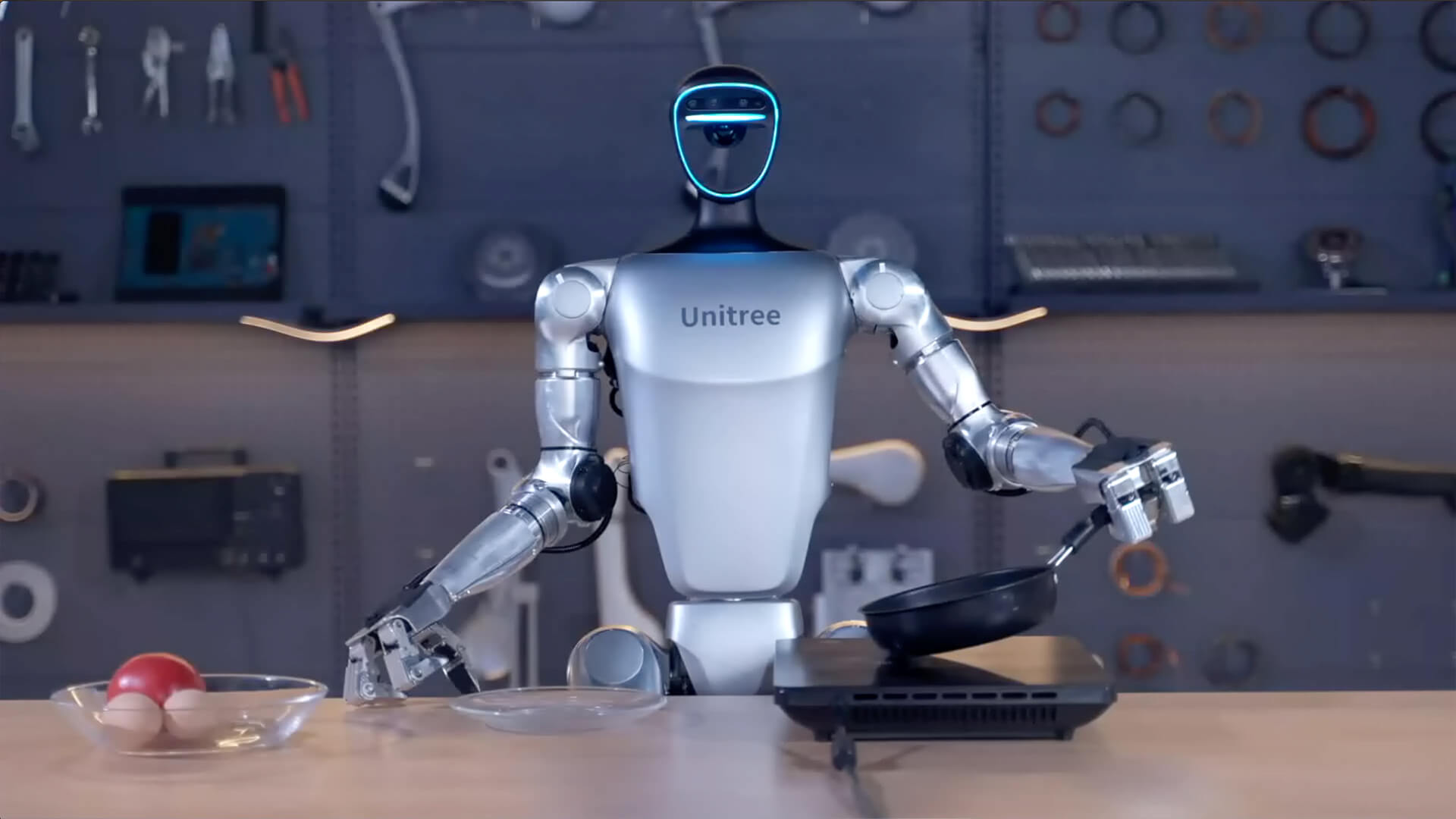
In contrast, Unitree Robotics presents the G1, a more advanced agent with 23 to 43 joint motors and force-control dexterous hands. The G1 features extra-large joint movement angles (waist Z±155°) and industrial-grade crossed roller bearings, suitable for precise object manipulation. However, KproApps does not stock or distribute specific models from these manufacturers. Buyers must verify exact configurations, as the G1's optional force-control hand adds complexity to its base price structure.
Practical Implications for a Narre Warren Buyer
For a robotics team based in Narre Warren or Melbourne, the Audi case study offers a roadmap for scoping a pilot. A local project could be scoped by defining specific sequencing requirements, such as picking unsorted components from containers and placing them into trolleys. This requires more than just a robot with arms; it demands a system that can identify, handle without damage, and position parts repeatedly.
Buyers should avoid assuming overseas news implies local availability or approval. An announcement in Berlin does not guarantee stock in Victoria. The practical implications include verifying if the supplier offers mobile bases compatible with Australian workshop layouts and assessing whether the robot's payload matches local material handling needs. A pilot should be designed as a low-risk test, clearly labeled as such, with a human fallback ready for any unexpected failures.
Critical Verification Points Before Purchase
Before committing to a humanoid robot, buyers must rigorously verify several factors beyond marketing brochures:
- Exact Configuration: Confirm the specific model (e.g., Unitree G1 vs. others), joint count, and optional modules like tactile sensors or force-control hands.
- Intended Task: Ensure the robot's dexterity matches the task—sequencing requires different capabilities than greeting visitors.
- Local Delivery and Support: Verify if the supplier offers on-site installation in Melbourne or Narre Warren and provides local technical support.
- Operator Training: Ask about training programs for staff to operate and maintain the unit safely.
- Safety Assessment: Consult with local authorities like WorkSafe Victoria regarding plant safety guidelines. Robots must meet specific standards for human-robot collaboration, especially in shared workspaces.
- Total Landed Cost: Request an itemised quote covering hardware, software licensing, shipping, installation, and ongoing maintenance to understand the true cost of ownership.
Safety and Regulatory Considerations in Victoria
WorkSafe Victoria serves as a key reference for plant safety. Recent incidents highlight the risks associated with machinery and equipment. When integrating humanoid robots into a facility, compliance is non-negotiable. Buyers must ensure their chosen robot adheres to Australian standards for mobile plant and dexterous manipulation. A virtual twin built with tools like NVIDIA Omniverse can help engineers check feasibility and ergonomics before deployment, but physical safety assessments remain mandatory.
Scoping a Local Pilot Project
A concise approach to scoping a local pilot involves defining the workflow clearly. For instance, a reception desk in a Narre Warren business might test a social humanoid for greeting visitors and handing over digital information, while a warehouse team tests an industrial unit for parts sequencing. Both scenarios require human oversight initially. The pilot should measure success metrics such as interaction time, error rates, or pick accuracy. It is not a ready-to-buy solution until these metrics are validated against the business's specific operational requirements.
Next Steps: Exploring Options in Australia
The path forward for Australian buyers involves direct engagement with suppliers to clarify capabilities and availability. KproApps is based in Narre Warren and welcomes enquiries from Melbourne and south-east Melbourne regarding humanoid robotics solutions. To avoid assumptions about stock or deployment, readers should contact KproApps directly to discuss their intended use case.
For those interested in exploring the landscape of humanoid robots available in Australia, Explore humanoid robots in Australia. To get a tailored recommendation and request an itemised supplier quote, please Request a robot quote. Do not rely on unverified statistics or overseas announcements; verify every claim with your supplier. End with a clear next step to the shop.
Frequently asked questions
Can I buy humanoid robots in Melbourne based on overseas news?
Overseas announcements do not guarantee local stock or availability. You must verify configuration, delivery, and support directly with your Australian supplier before purchasing.
How do social humanoids differ from industrial ones?
Social humanoids like Pepper focus on conversation and hospitality, while industrial units handle complex tasks like parts sequencing. Verify the specific model's capabilities for your task.
What safety checks are required in Victoria?
Consult WorkSafe Victoria guidelines. Suppliers must provide proof of compliance with Australian plant safety standards before deploying mobile robots in shared workspaces.
Sources and further reading
- Audi Tests Agile Robots’ Mobile Humanoids for Automotive Parts Sequencing — Humanoids Daily (2026-10-28)
- The Three Foundational Material Categories Shaping Robot Manufacturing — Robotics & Automation News (2026-10-28)
- Unitree G1 humanoid robot — Unitree Robotics
- Plant safety guidance — WorkSafe Victoria
- Pepper social robot — SoftBank Robotics America
Specifications, configurations, availability and manufacturer terms can change. Confirm the current product configuration and written quotation before ordering.