Humanoid Receptionist Pilot in Melbourne: What Buyers Need to Know
The robotics industry is buzzing with commercial momentum. Robotics & Automation News reports that Agility Robotics is expanding the use of its Digit humanoid robot with logistics giant GXO. This follows a multi-year agreement where Digit moved over 100,000 totes at GXO's Georgia facility since June 2024. With more than 30 prospective customers considering deployment across manufacturing and logistics, Agility is also preparing the Digit 5 for early customer access in the first half of 2027. Simultaneously, DEEP Robotics demonstrated its Hangxing No.2 humanoids at the Hangzhou Marathon on November 1. These machines performed traffic management and public inquiries in a high-density outdoor environment, utilizing their DR02 platform's IP66 protection for weather resilience.
For teams in Melbourne and Narre Warren, these global developments highlight a critical distinction: demonstrated capability does not equal commercial readiness. A robot successfully moving totes or managing traffic at a marathon is not the same as a receptionist handling bookings autonomously. Buyers must scrutinize what has actually been proven versus marketing hype.
The Gap Between Demo and Deployment
The Agility report illustrates a "value demonstration" strategy, where robots are introduced in specific operations before scaling. This mirrors the ideal path for a humanoid receptionist pilot: start small to prove utility before committing to large fleets. However, Agility's Digit is currently focused on heavy industrial workflows like logistics and automotive manufacturing. Its capabilities in close-proximity human interaction remain unverified by this specific source.
Conversely, the DEEP Robotics deployment at the Hangzhou Marathon involved outdoor traffic control, not indoor reception support. While the DR02 platform offers replaceable limb modules and IP66 protection—features relevant to harsh environments—they do not confirm the robot's ability to interpret complex social cues required for a reception desk. The marathon footage showed standardized gestures and safety warnings, but it did not establish independent penalty issuance or autonomous crowd navigation.
Real Robots vs. Marketing Hype
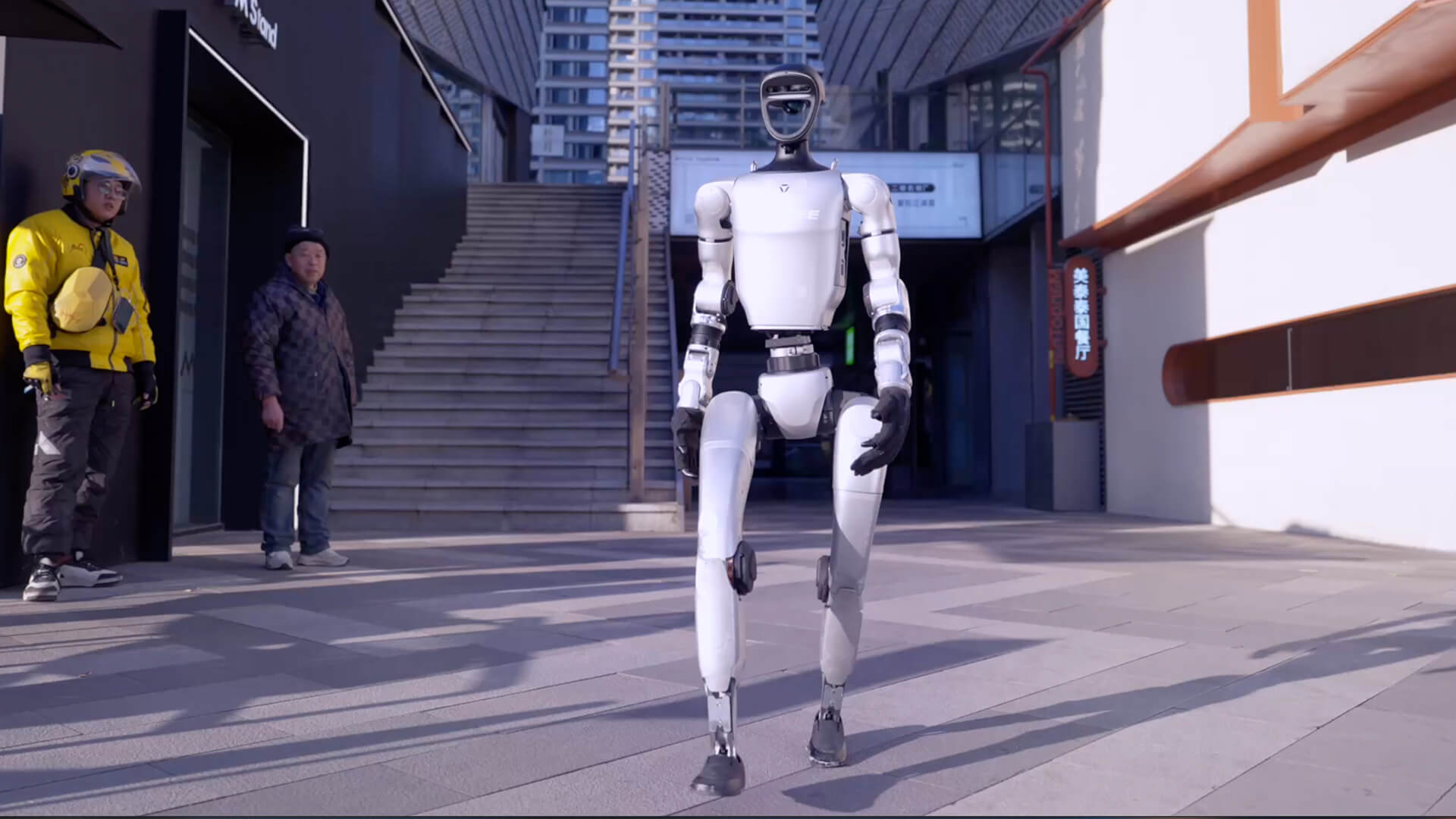
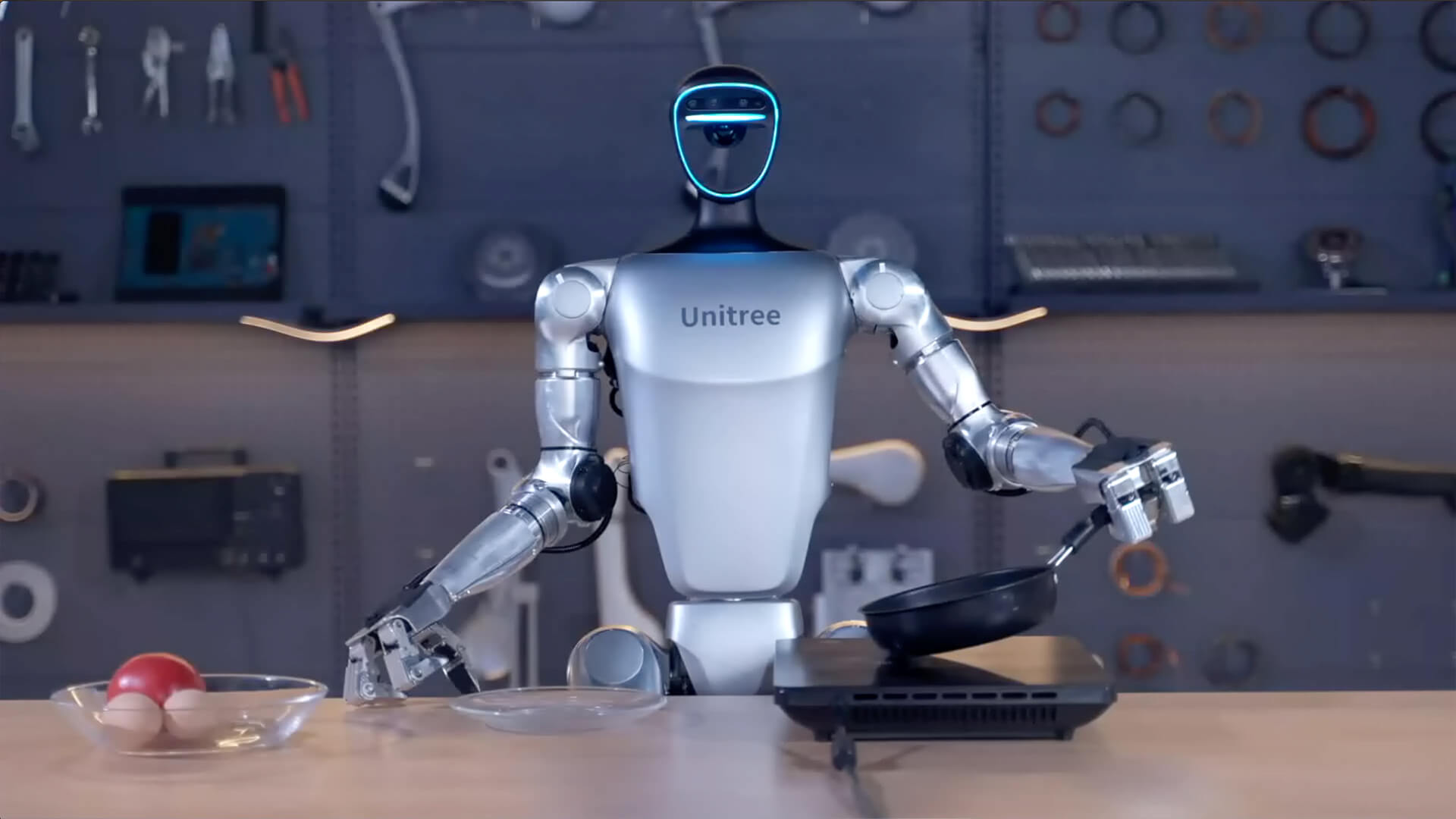
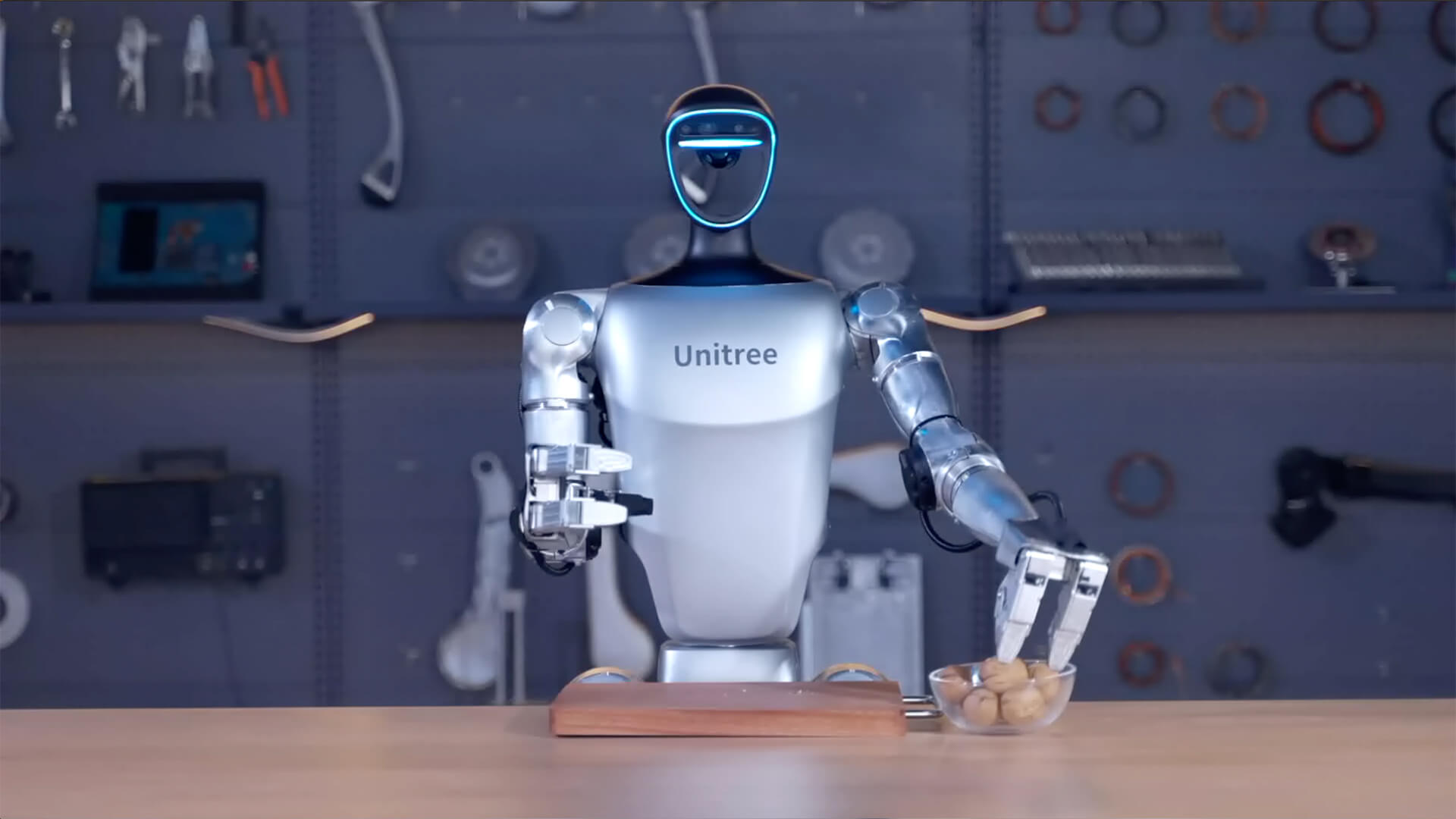
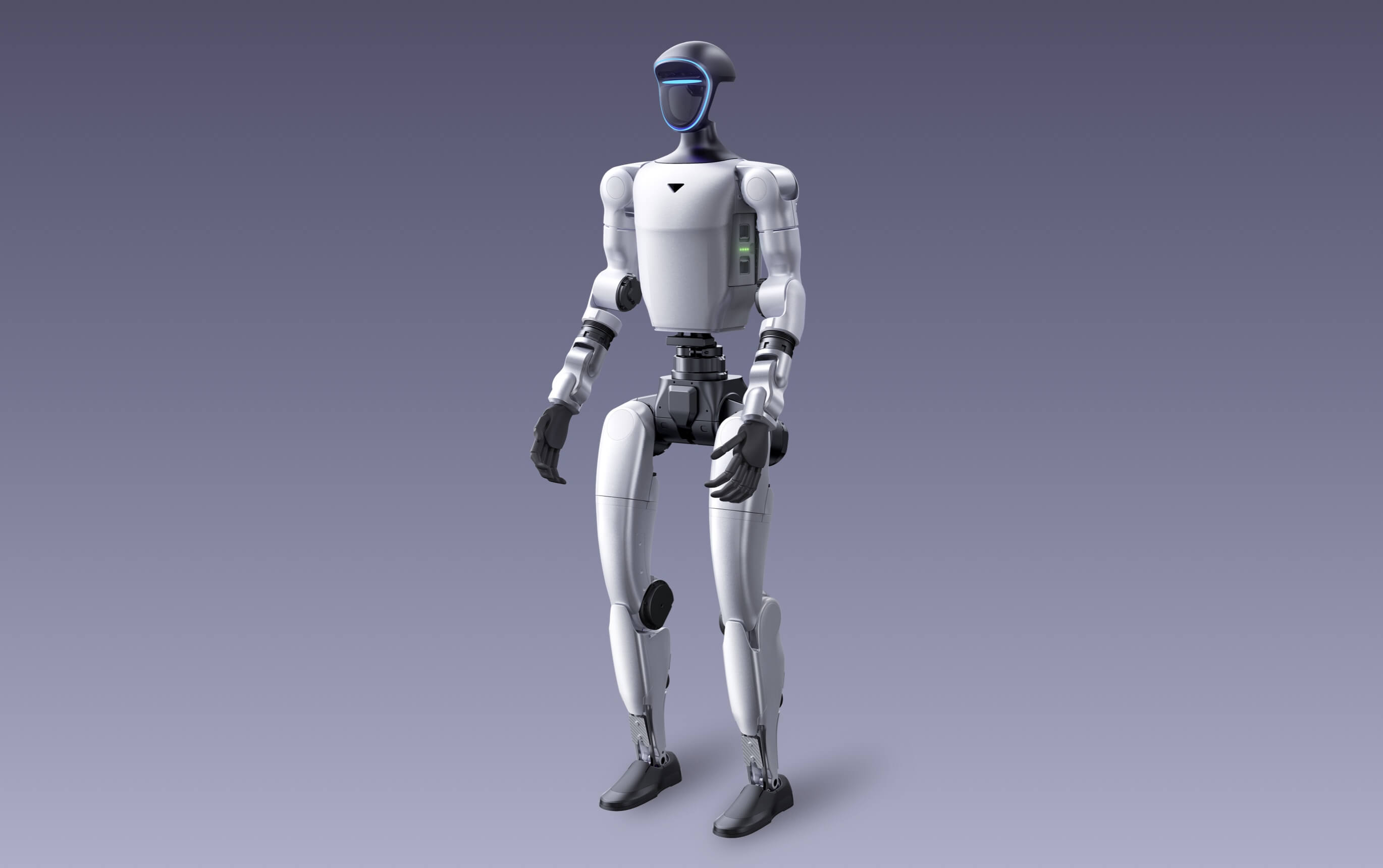
When researching humanoid receptionists, buyers must distinguish between verified hardware and software claims. Unitree Robotics lists the Unitree G1 with specific mechanical parameters: 23 to 43 joint motors, a weight of approximately 35kg, and an optional three-fingered dexterous hand (Dex3-1). The source confirms continuous OTA software upgrades and force-position hybrid control. This makes the G1 a tangible candidate for manipulation tasks, but it does not explicitly confirm autonomous booking management or telephony integration.
Similarly, SoftBank Robotics America describes Pepper as a robot designed to connect with people, assist them, and share knowledge. It claims the ability to make personalized recommendations and answer customer questions. However, this is marketing language for a social companion, not necessarily a receptionist system that handles bookings or manages patient data autonomously. Buyers must verify if the software stack actually supports booking workflows, as hardware alone cannot execute complex transactional logic.
Safety First: Lessons from WorkSafe Victoria
For a receptionist robot, this translates to rigorous safety assessments. Unlike a drone or a stationary kiosk, a bipedal humanoid introduces dynamic risks. Buyers must verify:
- Collision Avoidance: Can the robot stop instantly if a human steps into its path?
- Operational Zones: Is there a physical barrier separating the robot from walkways?
- Emergency Protocols: What happens if the robot's battery fails or it gets stuck?
Relying on manufacturer claims of "safety" without an independent site-specific risk assessment is insufficient. The WorkSafe incident serves as a reminder that regulatory bodies are actively monitoring workplace safety, and non-compliance can lead to significant financial penalties.
Defining the Pilot Scope
A local pilot should be scoped to test specific variables rather than attempting a full-scale rollout immediately. Based on the available evidence, a viable scope might involve:
- Task Definition: Define the robot's role strictly as "informational support" (e.g., displaying hours, directing visitors) rather than "transactional processing" (e.g., booking appointments). The latter requires verified software integration that is not explicitly confirmed by Unitree or SoftBank sources.
- Human Fallback: Design the workflow so a human operator can immediately intervene if the robot fails to recognize a visitor or encounters an obstacle. This mitigates risk during the testing phase.
- Environment Simulation: Test the robot in a controlled indoor setting that mimics the lighting and acoustics of the actual reception area, rather than relying on outdoor demonstrations like the Hangzhou Marathon.
Key Verification Points for Suppliers
When engaging suppliers, buyers must move beyond general inquiries to specific technical due diligence. The following questions should be directed at potential vendors:
- Exact Configuration: Does the robot come with a dexterous hand? Is the software stack capable of integrating with existing booking systems?
- Intended Task: Has the manufacturer tested this specific model in an indoor, human-centric environment? Or is it primarily designed for outdoor or industrial use?
- Local Delivery and Support: Who will handle maintenance in Melbourne or Narre Warren? Remote support from a US or Chinese headquarters may introduce latency issues.
- Operator Training: What training is required to manage the robot safely? Does the supplier provide on-site certification?
- Safety Assessment: Has an independent safety audit been conducted for indoor public use?
- Total Landed Cost: This includes hardware, software licensing, maintenance contracts, and potential insurance premiums.
The KproApps Advantage in Narre Warren
For businesses seeking clarity on these complex options, KproApps is based in Narre Warren and welcomes enquiries from Melbourne and south-east Melbourne. We understand that the difference between a demo and a deployed system is often a matter of configuration and local support.
We do not claim to stock specific models or guarantee safety approvals, but we provide a structured pathway for buyers to evaluate options. Whether you are interested in the Unitree G1's mechanical specs or SoftBank Pepper's social capabilities, our team can help you scope a pilot that aligns with your operational reality.
Next Steps: Request Your Quote
The robotics landscape is evolving rapidly, with Agility targeting early access for Digit 5 in 2027 and DEEP Robotics refining its outdoor protocols. Now is the time to assess readiness rather than waiting for mass availability.
To begin, visit our website to Explore humanoid robots in Australia. From there, you can Request a robot quote tailored to your facility's needs. Contact us directly at contact KproApps to discuss your intended use case and explore the possibilities for a safe, effective humanoid receptionist pilot in Melbourne.
Frequently asked questions
Can I deploy a humanoid robot as an autonomous receptionist in my Melbourne office?
While robots like Unitree G1 and SoftBank Pepper offer social interaction features, they are not yet proven for complex booking workflows. A pilot should start with informational tasks and include a human fallback.
How does the WorkSafe Victoria incident affect my robot safety plan?
The recent forklift injury highlights strict regulatory requirements. You must verify independent safety assessments, collision avoidance, and emergency protocols before any public deployment.
What is the difference between a demo and a ready-to-buy system?
A demo shows capability in a controlled setting, often outdoors or industrial. A buy-ready system requires verified indoor social interaction, software integration for bookings, and local support.
Sources and further reading
- Agility Robotics says more than 30 companies considering Digit humanoid robot — Robotics & Automation News (2026-11-02)
- DEEP Robotics Humanoids Join Traffic Police at Hangzhou Marathon — Humanoids Daily (2026-11-02)
- Unitree G1 humanoid robot — Unitree Robotics
- Plant safety guidance — WorkSafe Victoria
- Pepper social robot — SoftBank Robotics America
Specifications, configurations, availability and manufacturer terms can change. Confirm the current product configuration and written quotation before ordering.