Humanoid Insurance Checklist for Melbourne: Pre-Rental Evidence Guide
While the latest robotics news highlights major partnerships like Neura Robotics working with E.ON to deploy physical AI applications in energy infrastructure, local operators in Victoria face a different reality. The immediate challenge isn't just technological capability but securing the necessary coverage before a robot enters a Melbourne facility or industrial site.
The Reality of Australian Industrial Risk
Source: WorkSafe Victoria (https://www.worksafe.vic.gov.au/plant)
While humanoid robots are not yet classified under standard plant and machinery definitions like excavators or cranes, their dexterity and autonomy create new exposure areas. Employers must understand that workers compensation insurance is mandatory if employees are injured due to work activities, regardless of the technology used.
Source: Australian Government business.gov.au (https://business.gov.au/risk-management/insurance/types-of-business-insurance)
Insurance Categories for Humanoid Deployment
When approaching a licensed broker, do not assume a standard policy covers an autonomous agent. You must prepare evidence and questions regarding specific coverage categories.
Workers Compensation and Contractor Liability
If you are hiring a robot to assist workers, the primary concern is whether the operator or the machine causes injury. If your business employs contractors who operate the robot, you may need additional third-party personal injury insurance if the contractor uses motor vehicles, though this often applies to the vehicle itself rather than the payload.
Brokers will need to know if your robot operates autonomously or requires human teleoperation, as this affects the definition of 'employee' versus 'contractor' in an injury scenario.
Public Liability and Product Liability
Public liability insurance protects against claims from third parties injured on your premises. If a humanoid robot drops an object or interacts unexpectedly with a customer, this coverage becomes critical. Similarly, product liability covers damages caused by the robot's design or manufacturing defects.
Pre-Rental Evidence Checklist for Brokers
To streamline the underwriting process, prepare a dossier that demonstrates your operational maturity. Do not rely on generic descriptions; provide concrete data points.
- Risk Assessment Report: A formal document outlining how the robot interacts with the environment and workers. Does it navigate stairs? Does it handle heavy objects?
- Operator Training Records: Evidence that operators are trained to supervise or control the unit. Training robots for real-world operations requires human demonstrations and sensor data, similar to advanced training facilities used in Germany.
- Safety Protocols: Documentation of emergency stop procedures and physical barriers around the robot's operating zone.
- Maintenance Logs: Proof of regular checks on joints, motors, and software integrity.
Note: The process of training robots involves combining human demonstrations with real-world data to teach new skills before operational testing.
Source: Neura Robotics partnership details (https://roboticsandautomationnews.com/2026/11/14/neura-robotics-partners-with-e-on-to-bring-humanoid-robots-to-energy-infrastructure/107100/)
Distinguishing Rental vs. Ownership Risks
The insurance implications differ significantly between renting a robot and owning one.
Renting a Robot
When hiring a unit, the responsibility often shifts depending on the contract terms. The rental customer must ensure their public liability policy covers the third party if an incident occurs during the hire period. The distributor or owner may have limited recourse unless negligence is proven.
Owning a Robot
Owners bear full responsibility for maintenance and safety compliance. They must ensure the robot meets all state and territory regulations regarding plant and machinery before deployment.
Costing Beyond the Rental Rate
When budgeting for a humanoid robot, do not focus solely on the daily hire rate. The total landed cost includes transport, setup, operator time, and insurance premiums.
Operating Cost Structure
- Hire Period: Calculate based on realistic booked days, understanding that gross revenue is not profit.
- Transport and Setup: Moving a unit with a battery and dexterous hand requires careful logistics.
- Operator Time: Even if the robot is autonomous, human supervision may be required for complex tasks.
- Maintenance and Downtime: Unexpected failures can halt operations.
Insurance Premiums
Do not quote specific premiums. Ask your broker for an itemised budget that includes a separate line for insurance costs, which vary based on the robot's configuration, intended task, and local delivery requirements.
Setting Proposed Hire Rates
If you are considering listing your own robot for hire, proposed rates must reflect the full cost structure, not just the hardware value. A rate set too low may lead to under-insured operations or financial loss if downtime occurs.
Factors Influencing Rate Setting
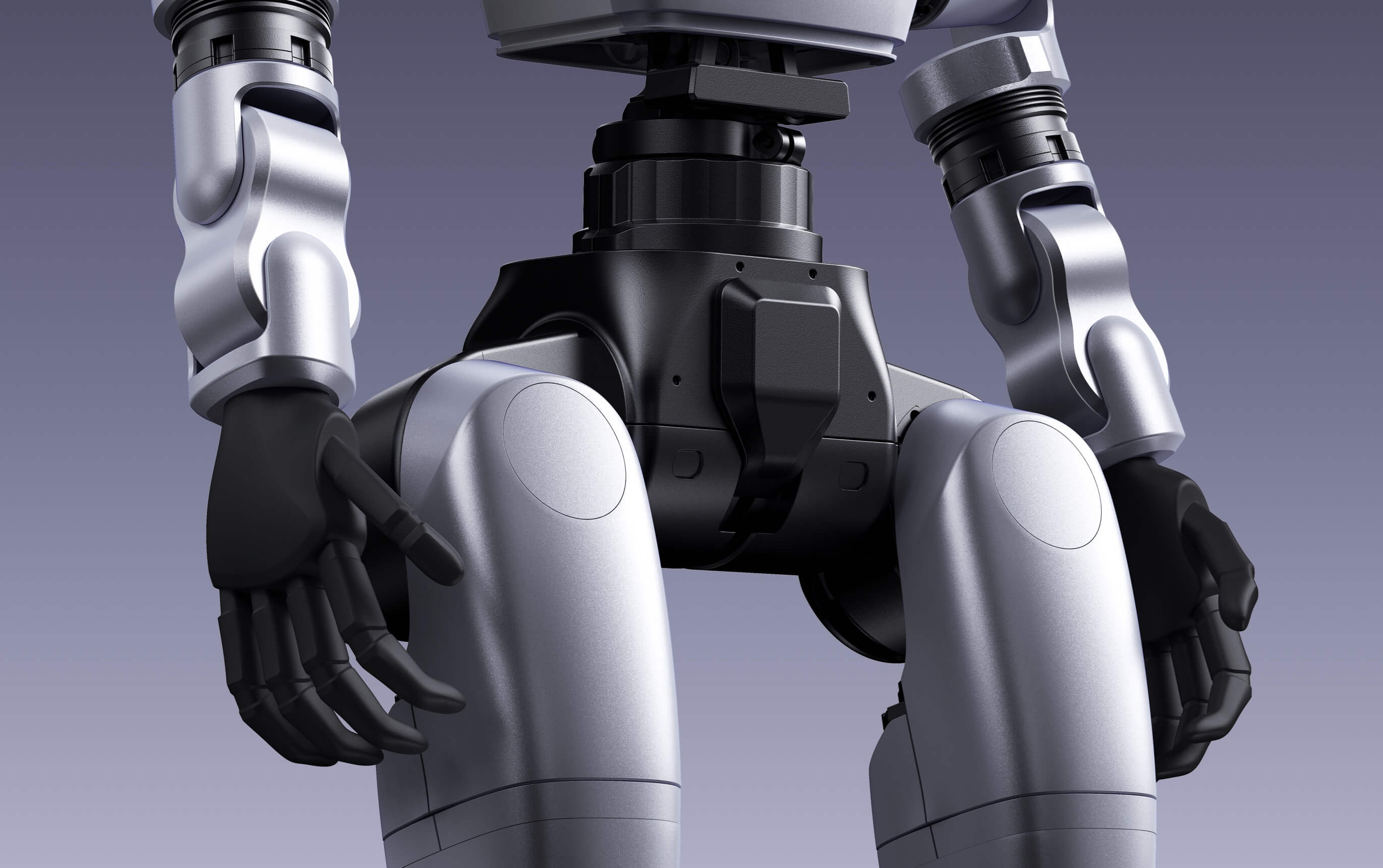
- Unit Configuration: Does it have force control dexterous hands? Extra large joint movement space?
- Intended Task: Inspecting energy infrastructure requires different capabilities than general assistance.
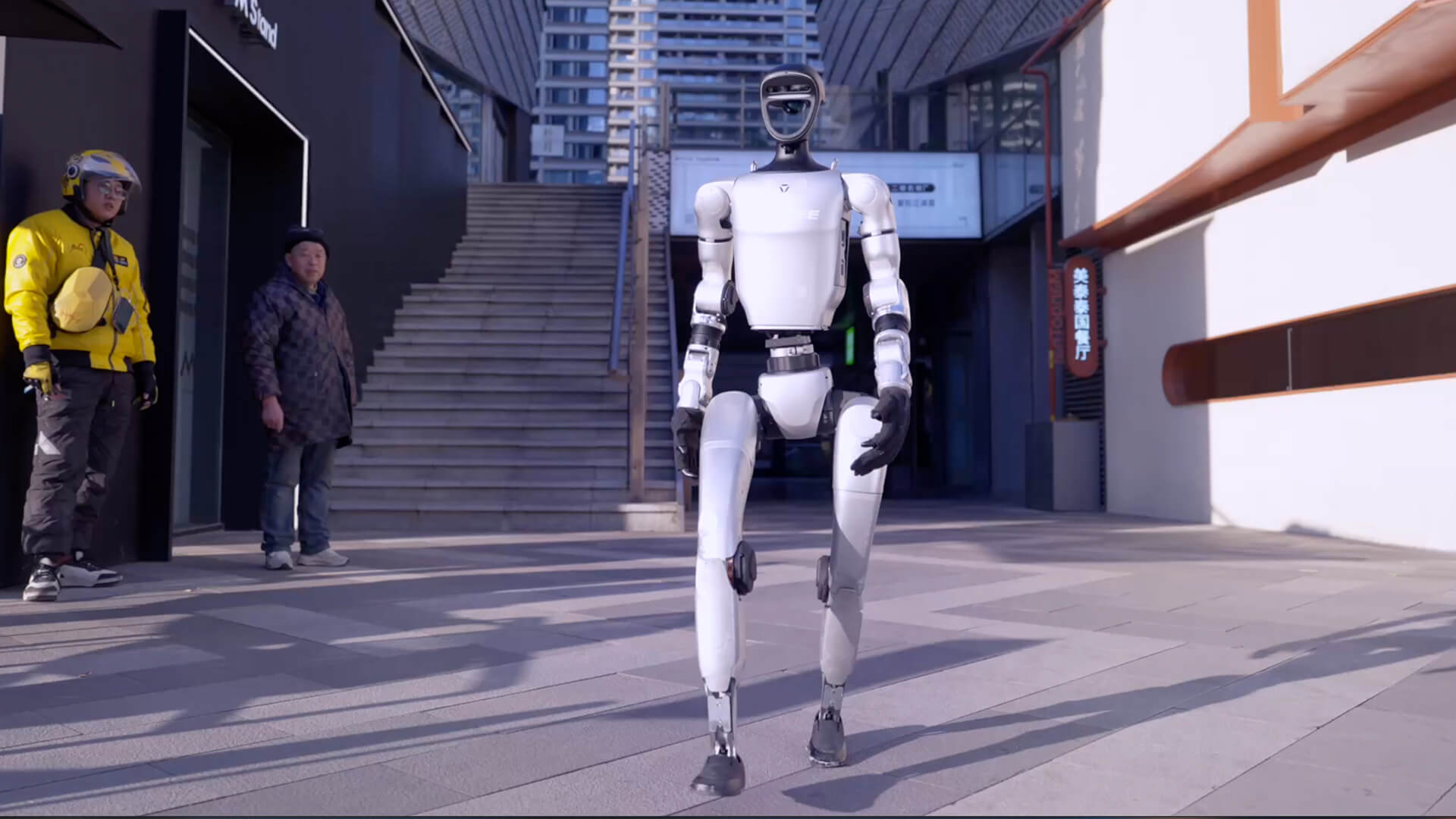
- Market Demand: Current trends show interest in robots that can navigate environments built for human workers without extensive modifications.
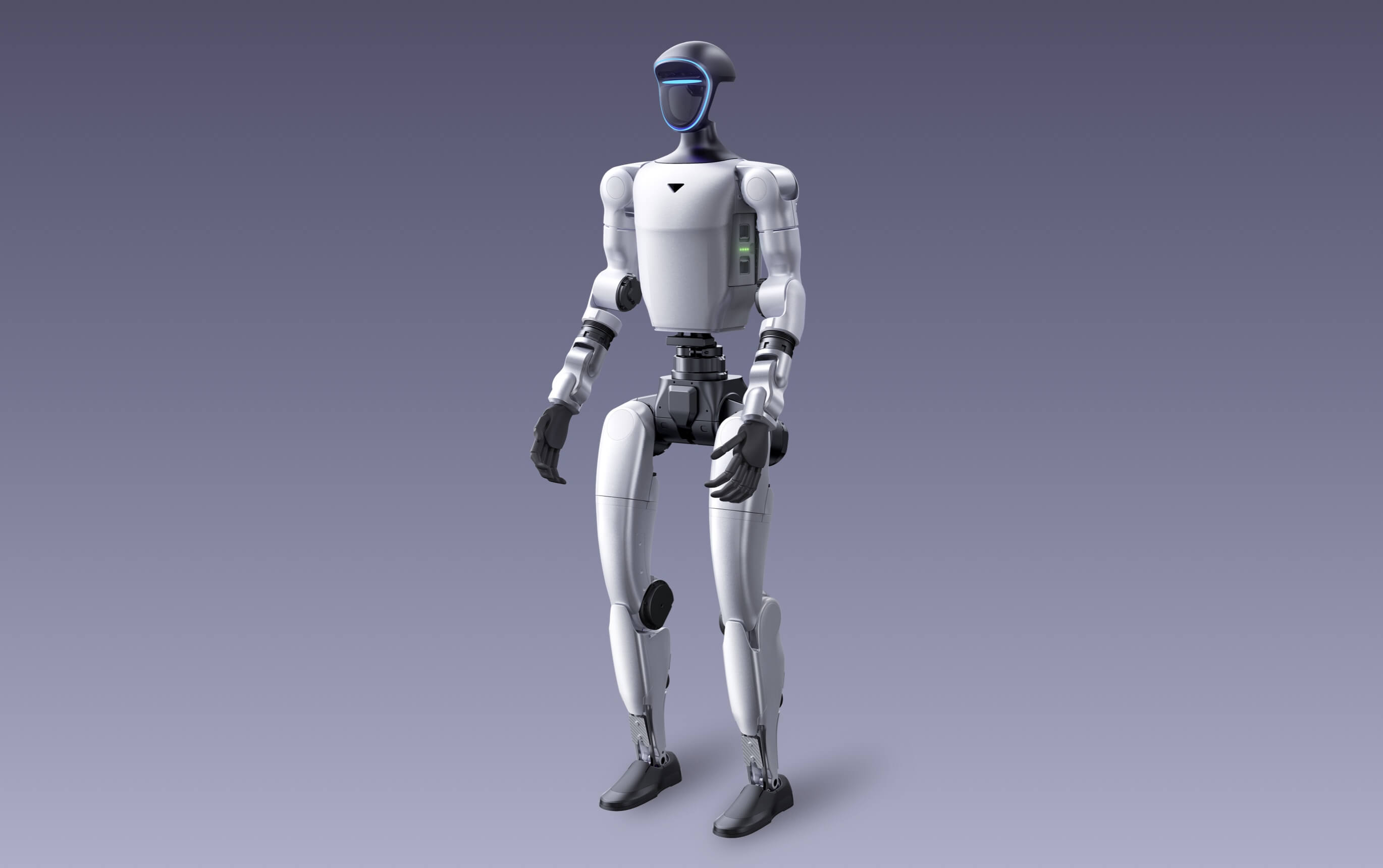
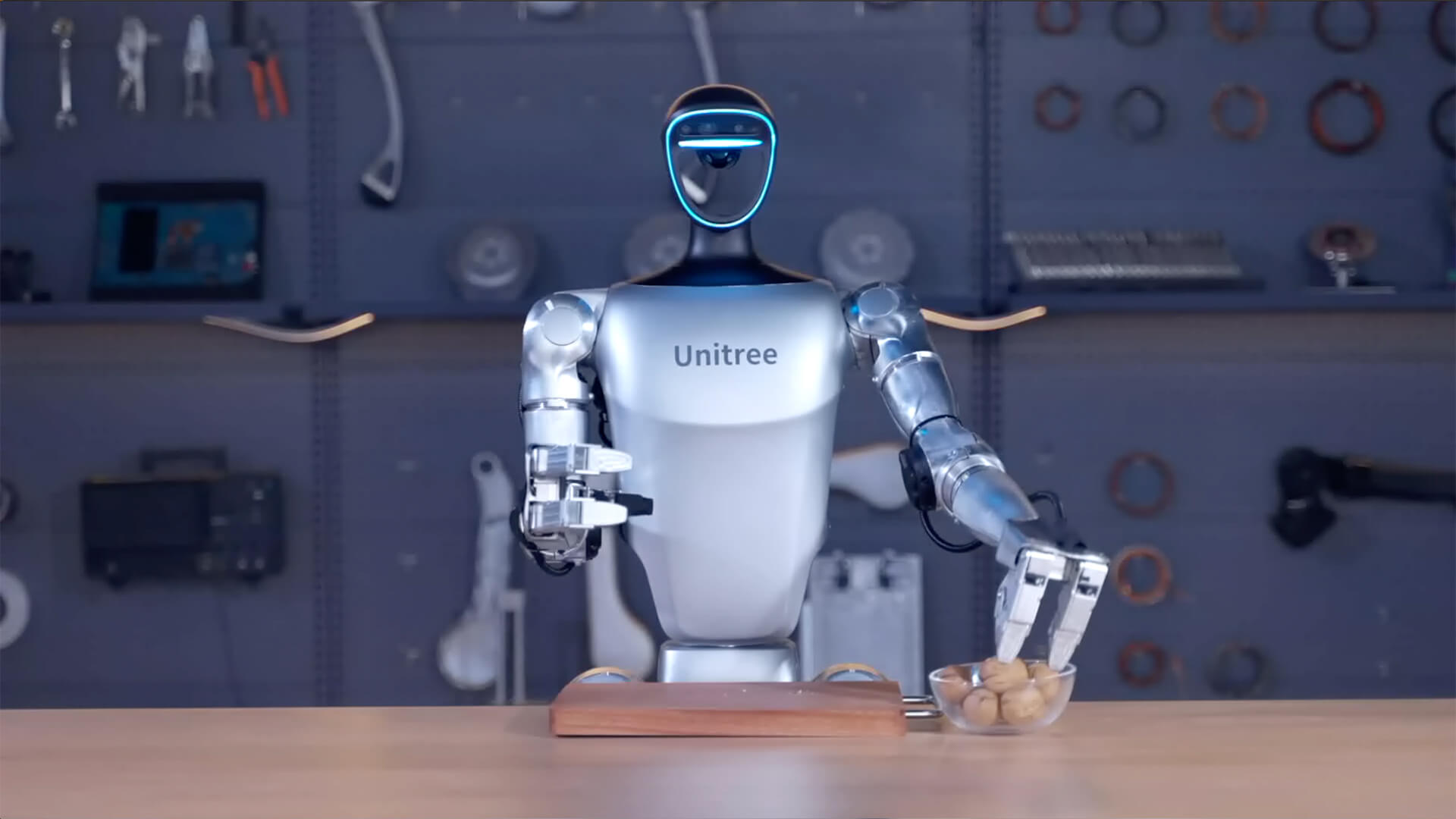
Source: Unitree G1 specifications (https://www.unitree.com/g1/)
KproApps' Role in the Ecosystem
KproApps is based in Narre Warren and welcomes enquiries from Melbourne and south-east Melbourne. We offer an Australian quote and ordering pathway through our website, but we do not supply insurance or guarantee specific coverage limits.
Our role is to connect you with verified suppliers and provide clarity on what a robot can actually do versus its commercial readiness. Whether you are a robotics team looking to pilot a unit in Victoria or a business owner considering acquisition, understanding the insurance landscape is your first step toward safe deployment.
Next Steps for Your Deployment
Do not proceed with a hire or purchase without discussing the insurance implications with a licensed broker. Prepare your evidence checklist and request an itemised quote that breaks down all costs, including potential excesses and endorsements.
For those interested in acquiring a unit, explore our shop to see available models and capabilities. For those looking to operate a robot, consider renting through our portal where you can browse approved listings and request dates. Existing customers can use their current login to manage availability.
Explore humanoid robots in Australia | Request a robot quote | Rent a Bot: hire a humanoid or list your own
Contact KproApps about your intended use and discuss the practicalities of bringing humanoid technology to your site.
Frequently asked questions
What insurance do I need before renting a humanoid robot in Victoria?
You will likely need public liability insurance to cover third-party injuries on your premises. Discuss with your broker whether workers compensation is required if contractors operate the unit.
How does owning a robot differ from renting it regarding insurance?
Owners bear full responsibility for safety compliance and maintenance, often requiring more comprehensive product liability coverage compared to rental agreements.
Can I get a guaranteed refund if my robot breaks during hire?
Refund policies depend entirely on the contract terms with the supplier. Always request written details regarding deposits, exclusions, and claim procedures before signing.
Sources and further reading
- Neura Robotics partners with E.ON to bring humanoid robots to energy infrastructure — Robotics & Automation News (2026-11-14)
- Video Friday: NASA PROMISEs a New Moon Rover — IEEE Spectrum (2026-11-13)
- Unitree G1 humanoid robot — Unitree Robotics
- Plant safety guidance — WorkSafe Victoria
- Types of business insurance — Australian Government business.gov.au
Specifications, configurations, availability and manufacturer terms can change. Confirm the current product configuration and written quotation before ordering.