This analysis draws on the lead news report.
From Demo to Deployment: Lessons for Humanoid Buyers in Melbourne
Today in Sydney, The Robot Report highlights a pivotal shift in the robotics industry as Generative Bionics announces plans to build a proprietary "Physical AI Data Factory" in Italy. This new 5,000-square-metre facility aims to become one of Europe's largest training grounds for humanoid robots, moving the sector from laboratory demonstrations to reliable industrial deployment (https://www.therobotreport.com/generative-bionics-to-launch-physical-ai-data-factory-in-italy/). The company emphasizes that while Chinese robotics has garnered attention through flashy demos and large funding rounds, many of these units are not yet certified for safe entry into industrial settings.
For a robotics team or facility manager in Melbourne or Narre Warren, this news underscores a critical distinction between a robot's ability to perform a task in a video and its capability to execute that task safely and reliably on the shop floor. The rise of "Physical AI" suggests that future robots will be trained not just on language models, but on high-fidelity data collected from real-world interactions involving force, contact, temperature, and complex motion constraints.
The Gap Between Demo and Industrial Reality
The core challenge facing potential buyers is the difference between a robot's demonstrated capability in a controlled environment and its commercial readiness for unstructured industrial tasks. Generative Bionics CEO Daniele Pucci noted that robots must learn from the specific conditions they will encounter at work, requiring data on contact forces, proximity, and human interaction that cannot be replicated by online information alone.
In the Australian context, this means buyers should not assume a robot is ready for deployment simply because it can solve complex puzzles or perform dexterous manipulations in a video. The IEEE Spectrum recently featured a quadruped solving a giant Rubik's Cube autonomously, showcasing impressive whole-body control (https://spectrum.ieee.org/video-friday-rubiks-cube-robot). While such feats demonstrate advanced algorithms and sensor fusion, they do not guarantee that a humanoid robot can safely operate in the presence of heavy machinery or fragile goods without human intervention.
Understanding Industrial Safety Standards Locally
Safety is not an abstract concept; it is a legal requirement enforced by regulators like WorkSafe Victoria. Recent investigations into warehouse fatalities and scissor lift incidents highlight the severe consequences of inadequate safety protocols (https://www.worksafe.vic.gov.au/plant). When evaluating a humanoid robot, buyers must ask: Is this machine certified for industrial use in Australia?
Unlike consumer electronics or academic prototypes, industrial robots require rigorous safety assessments to ensure they can operate alongside human workers without causing injury. Buyers should verify whether the robot has undergone relevant Australian standards compliance testing before purchasing. A robot capable of delicate manipulation in a lab may lack the fail-safes required for a busy warehouse environment.
Evaluating Supplier Capabilities Beyond Marketing
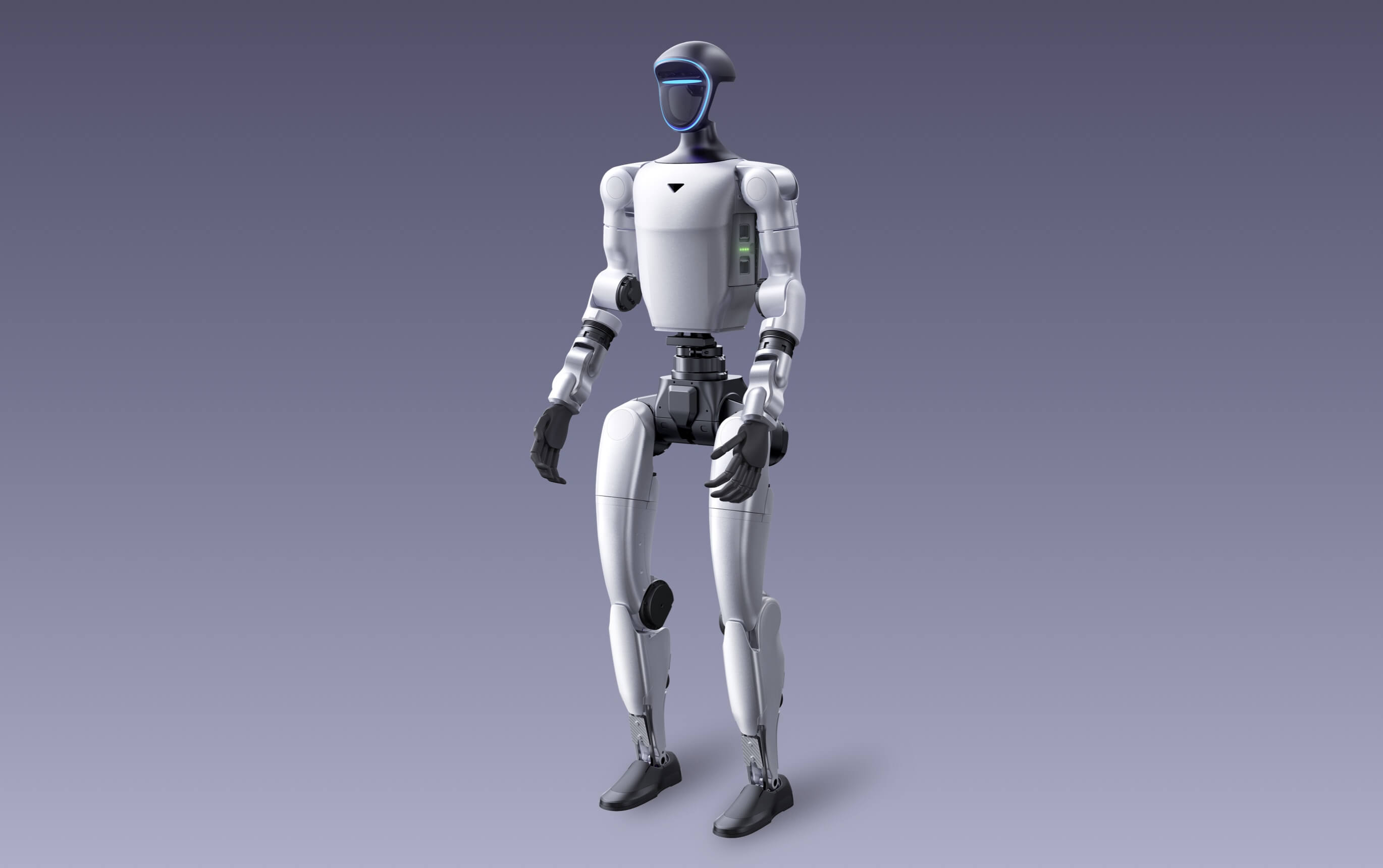
When sourcing humanoid robots, it is vital to distinguish between marketing hype and verified technical specifications. Unitree Robotics has released data on its G1 humanoid agent, highlighting features like force control dexterous hands and continuous OTA software upgrades (https://www.unitree.com/g1/). While these features sound appealing, they represent a capability claim rather than a guarantee of performance.
Buyers must verify the exact configuration of any robot they consider. Does it include the specific motor torque required for your intended task? Is the dexterous hand compatible with the objects you need to handle? Unitree lists its G1 at a starting price point, but this does not indicate availability in Australian showrooms or delivery timelines.
The Importance of Local Support and Training
Commercial readiness depends heavily on after-sales support and operator training. A robot that requires specialized calibration or complex troubleshooting cannot be deployed effectively without local expertise. Buyers should inquire about the supplier's ability to provide on-site training for your staff.
If a vendor is based overseas, they may struggle to provide timely technical support during critical operations. KproApps, based in Narre Warren and serving Melbourne and south-east Melbourne, offers an Australian quote and ordering pathway designed to simplify this process (https://ai.kproapps.com/shop/). Local presence often correlates with better responsiveness for maintenance and software updates.
Assessing Total Landed Cost Qualitatively
The total landed cost of a humanoid robot extends beyond the sticker price. It includes shipping, customs duties, installation, training, and ongoing maintenance. While Unitree lists prices in USD, converting these figures without verified exchange rates can lead to inaccurate budget planning.
Buyers should request an itemised supplier quote that breaks down all costs associated with deploying the robot. This includes not just the hardware, but also the software licensing, any required safety modifications, and the cost of operator training sessions. A lower initial price may mask higher long-term operational expenses if the robot requires frequent recalibration or has a shorter lifespan.
Scoping Your Local Pilot Project
To mitigate risk, robotics teams should scope their pilot projects carefully before committing to large-scale procurement. A successful pilot should focus on a single, well-defined task that can be replicated in multiple scenarios. This approach allows for the collection of real-world data to validate the robot's performance.
For example, a warehouse team might start with a simple sorting task rather than attempting complex assembly immediately. By defining clear success metrics and safety boundaries at the outset, teams can gather the necessary data to determine if the robot is suitable for broader deployment. This method aligns with the "real-to-sim-to-real" cycle that Generative Bionics advocates, ensuring that the robot's behavior matches real-world expectations.
Key Questions to Ask Your Supplier
Before finalizing a purchase, buyers should ask specific questions to ensure they are making an informed decision:
- What is the exact configuration of the robot, including motor torque and sensor capabilities?
- Has the robot been tested in environments similar to our facility?
- Can you provide documentation on safety certifications relevant to Australian industrial standards?
- What is your local delivery timeline and support structure?
- How many training sessions are included, and who conducts them?
Next Steps for Buyers
The robotics landscape is evolving rapidly, but the path from demo to deployment remains complex. Whether you are interested in exploring humanoid robots available in Australia or seeking a specific quote for your facility, taking a measured approach is essential.
To begin, visit our website to browse available options and understand what is currently accessible locally. We encourage you to Request a robot quote to get tailored pricing and availability information. For any questions regarding intended use cases, safety considerations, or delivery logistics, please feel free to contact KproApps. Our team is ready to assist you in navigating the complexities of humanoid robotics procurement.
Explore humanoid robots in Australia for buying context.
Frequently asked questions
How do I know if a humanoid robot is safe for industrial use in Australia?
Verify safety certifications and ask suppliers for documentation on compliance with Australian standards. Recent WorkSafe Victoria investigations highlight the importance of rigorous safety assessments before deployment.
What is the difference between a demo capability and commercial readiness?
Demo capabilities show what a robot can do in a controlled environment, while commercial readiness involves reliable performance, safety certifications, local support, and cost-effectiveness for real-world tasks.
Can I get an itemised quote for a humanoid robot including training?
Yes, request an itemised supplier quote that breaks down hardware, software, shipping, installation, and operator training costs to understand the total landed cost.
Sources and further reading
- Generative Bionics to launch Physical AI Data Factory in Italy — The Robot Report (2026-10-23)
- Video Friday: Quadruped Robot Solves Giant Rubik’s Cube by Itself — IEEE Spectrum (2026-10-23)
- Unitree G1 humanoid robot — Unitree Robotics
- Plant safety guidance — WorkSafe Victoria
Specifications, configurations, availability and manufacturer terms can change. Confirm the current product configuration and written quotation before ordering.