From Video to Reality: What a Melbourne Robotics Team Needs to Know
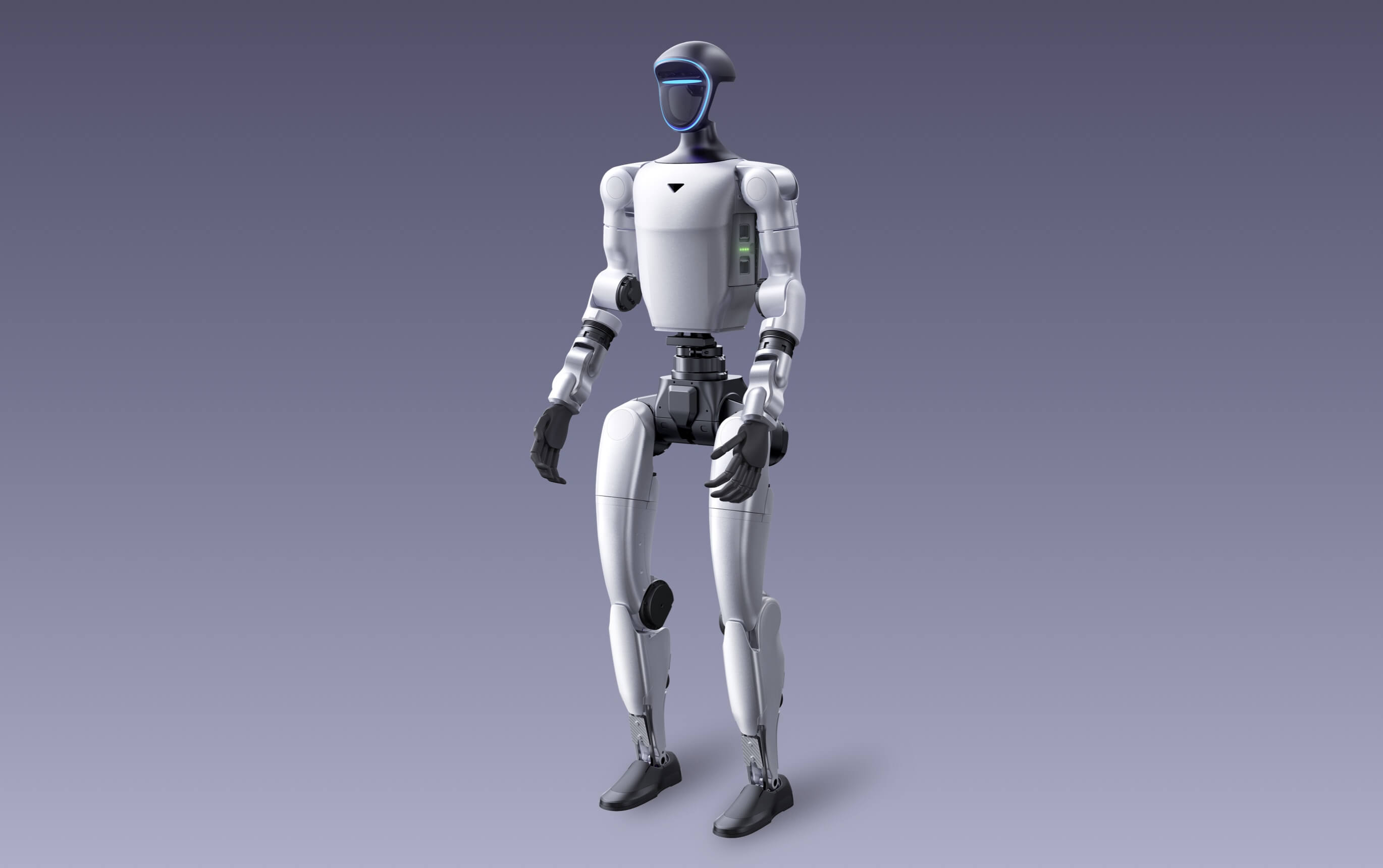
Today in Sydney, Google DeepMind demonstrated how its Gemini 4 Argon model can teach a physical skill by watching video alone. In an internal test, the AI analyzed footage of someone playing cornhole, mapped the environment, and autonomously generated code to transfer that behavior to Apptronik's Apollo humanoid robot [^1]. The result was seven consecutive successful shots in a real-world trial, compressing what would normally take weeks of manual simulation into just hours [^1]. This "Video-to-Sim-to-Real" pipeline represents a significant shift in how we approach robotics development, promising to transform ordinary videos into scalable training grounds for physical systems.
For teams and businesses based in Melbourne, Narre Warren, and south-east Victoria, this news highlights the accelerating pace of capability demonstration versus commercial readiness. While the Apollo robot landed shots successfully, the technology remains a specialized research tool rather than an off-the-shelf consumer product. Buyers must distinguish between demonstrated skill transfer and certified industrial deployment.
The Gap Between Demo and Deployment
The DeepMind demonstration serves as a powerful hook for understanding the potential of general-purpose AI in robotics, but it does not imply that such robots are immediately available for purchase or that they meet Australian safety standards [^1]. The Apollo robot's success in learning from video is a capability milestone, yet commercial readiness involves rigorous validation, regulatory compliance, and supply chain logistics.
In the local context, KproApps is based in Narre Warren and welcomes enquiries from Melbourne and south-east Melbourne regarding humanoid robotics solutions. When evaluating these emerging technologies, it is crucial to understand that a robot capable of playing cornhole does not automatically qualify for hazardous industrial tasks without further testing and certification [^1].
Comparing the Ecosystem: Agile ONE SN vs. Apollo
While Google's work focuses on training pipelines, other players are advancing hardware-software integration. For instance, Agile Robots unveiled the Agile ONE SN, a compact research platform built around NVIDIA's Isaac robotics software [^2]. Announced at GTC Berlin in October 2026, this robot features a 1.4-meter height, 31 degrees of freedom, and preconfigured GR00T software for skill transfer [^2].
The Agile ONE SN is designed as a research bridge, allowing labs to develop skills on the smaller unit before transferring them to the larger industrial Agile ONE model [^2]. This contrasts with the Apollo's demonstration, which focused purely on the learning algorithm's ability to interpret visual data. Both platforms illustrate the dual track of robotics development: refining the "brain" (AI models) and building the "body" (hardware integration).
Verifying Exact Configuration and Capabilities
When sourcing humanoid robots for a specific task in Victoria, buyers must verify the exact configuration rather than relying on marketing brochures. The DeepMind report notes that Apollo landed seven shots, but this does not guarantee performance across all tasks or environments [^1]. Similarly, while the Agile ONE SN lists a payload of up to 3 kilograms per arm, researchers must confirm if this rating holds under dynamic loads in an Australian warehouse setting [^2].
Key verification points include:
- Intended Task: Does the robot's dexterity match your specific operational requirement?
- Local Delivery: Can the supplier navigate local logistics to deliver within Melbourne or Narre Warren?
- Support: Is there a local partner available for maintenance and troubleshooting?
- Operator Training: Are staff trained to operate the specific model being purchased?
Safety Assessments and Regulatory Compliance
Safety remains the most critical differentiator between a research prototype and a deployable asset. WorkSafe Victoria provides essential context on the importance of safety in plant and machinery operations [^4]. Recent incidents, such as the investigation into a fatality at a Truganina factory involving a scissor lift, underscore the risks associated with unverified equipment [^4].
The DeepMind demonstration did not involve WorkSafe Victoria approval or any form of Australian safety certification [^1]. The Agile ONE SN announcement explicitly states that Halos safety integration remains in development and should not be read as confirmation of a complete safety platform [^2]. Buyers must treat all "demonstrated capability" news with skepticism regarding commercial safety approvals.
Scoping a Local Pilot Project
A practical approach for a Melbourne-based pilot is to scope the project around a single, well-defined task rather than attempting a broad industrial rollout immediately. For example, a manufacturing team could test a humanoid robot on a specific repetitive assembly line task, such as handling lightweight components or sorting items.
This scoped pilot allows the team to:
- Define clear success metrics (e.g., error rate, speed).
- Test the robot's interaction with existing local infrastructure.
- Validate the training pipeline (Video-to-Sim-to-Real) for their specific workflow [^1].
By starting small, teams can gather data on real-world performance without incurring the high costs of a full-scale deployment. This method aligns with the cautious approach required when dealing with cutting-edge AI-driven robotics.
Total Landed Cost and Qualitative Analysis
Cost considerations extend far beyond the sticker price of the robot. The DeepMind report mentions no monetary figures, focusing instead on time savings in simulation [^1]. However, for Australian buyers, total landed cost includes shipping, import duties, installation, training, and ongoing maintenance.
The Agile ONE SN is scheduled for availability in early 2027, suggesting that immediate procurement may not be an option [^2]. Buyers should request an itemised supplier quote to understand the full financial commitment. Qualitative factors such as software support, OTA (over-the-air) update capabilities, and the vendor's track record in Australia are equally important.
The Role of Unitree G1 in the Local Market
Unitree Robotics has introduced the G1 humanoid robot, which features 23 to 43 degrees of freedom and a weight of approximately 35 kilograms [^3]. The G1 offers flexible joint movement angles and optional force control dexterous hands, positioning it as a versatile agent for various tasks.
While Unitree's G1 provides a different hardware architecture compared to the Apollo or Agile ONE SN, its capabilities in imitation and reinforcement learning driven training are relevant to the broader discussion of AI-enhanced robotics [^3]. The product page states that the robot is priced from 13,500 USD [^3].
Next Steps for Melbourne and Narre Warren Teams
The convergence of advanced AI models like Gemini 4 Argon and specialized hardware platforms creates a dynamic landscape for robotics adoption in Australia. However, the path from news headlines to a functional robot on the factory floor requires careful planning.
To move forward, teams should:
- Contact KproApps via contact KproApps to discuss their intended use case and explore available options tailored to Melbourne and south-east Victoria.
- Visit the shop at Request a robot quote to get personalized pricing and availability details.
- Explore humanoid robots in Australia at Explore humanoid robots in Australia for broader context on the local market.
By focusing on verified capabilities, rigorous safety assessments, and realistic cost structures, Australian robotics teams can navigate this exciting new era of automation effectively.
[^1]: Google DeepMind uses Gemini 4 Argon to teach Apptronik's Apollo humanoid new skills from video [^2]: Agile Robots Unveils Agile ONE SN as NVIDIA Expands Its Isaac Robotics Platform [^3]: Unitree G1 humanoid robot [^4]: Plant safety guidance
Frequently asked questions
How long will it take to get a humanoid robot delivered in Melbourne?
Delivery timelines vary by supplier and model. Some platforms are scheduled for availability in early 2027, so lead times can be significant. Contact KproApps for specific delivery estimates.
Are these robots already approved for use in Australian factories?
Most current demonstrations focus on research capabilities rather than commercial safety approval. Verify compliance with WorkSafe Victoria before deploying in industrial environments.
Can I train my own robot using video data like the DeepMind demo?
Yes, many platforms support video-to-sim training pipelines. However, successful transfer to real-world tasks requires specific configuration and rigorous testing beyond initial demonstrations.
Sources and further reading
- Google DeepMind uses Gemini 4 Argon to teach Apptronik’s Apollo humanoid new skills from video — Robotics & Automation News (2026-10-22)
- Agile Robots Unveils Agile ONE SN as NVIDIA Expands Its Isaac Robotics Platform — Humanoids Daily (2026-10-22)
- Unitree G1 humanoid robot — Unitree Robotics
- Plant safety guidance — WorkSafe Victoria
Specifications, configurations, availability and manufacturer terms can change. Confirm the current product configuration and written quotation before ordering.