This analysis draws on the lead news report.
Humanoid Insurance in Melbourne: Risks for Narre Warren Pilots
Today, the global robotics sector is buzzing with announcements of new industrial capabilities, such as Embodied AI's AIR robot designed to learn factory tasks on the job. While these breakthroughs highlight a growing market appetite for physical AI, local teams in Melbourne and Narre Warren face distinct operational realities when deploying humanoid robots. The excitement surrounding technology like the Unitree G1 or social platforms often overshadows a critical question: how do you insure this equipment under Australian law?
Incident records from recent years show that even standard plant machinery can result in significant liability fines and serious injuries if safety protocols are not followed. For a humanoid robot pilot, the stakes involve complex interactions between hardware, software, and human operators.
The Current Industrial Context
The news cycle is dominated by rapid advancements in embodied AI. Companies like Embodied AI have unveiled robots capable of performing repetitive manual tasks with high reliability, aiming to assist rather than replace human workers. Similarly, research into motion tracking has accelerated, allowing controllers for units like the Unitree G1 to be trained in minutes on a single GPU.
These developments demonstrate that the technology is maturing quickly. However, moving from a simulated environment or a research lab to a shared factory floor introduces new variables. The Australian market is seeing increased interest in physical AI, with some manufacturers planning widespread adoption within two years. Yet, as noted by industry analysts, the majority of factory task hours are still expected to remain human-driven, meaning robots will likely operate alongside people rather than in isolation.
Understanding Plant Safety and Liability
In Victoria, the regulation of machinery is strict. WorkSafe Victoria provides comprehensive guidance on plant safety, categorizing equipment from construction plant to elevating work platforms. A recent incident involving a forklift in Melbourne's south-east resulted in a $60,000 fine after a worker was seriously injured. This serves as a stark reminder that the laws governing heavy machinery also apply to autonomous or semi-autonomous systems.
When considering a humanoid robot, you must distinguish between a demonstration and a ready-to-buy system. A robot running on wheels in a controlled environment is different from one integrated into a production line. If an incident occurs where a robot interacts with a human, the legal implications can be severe. Public liability insurance is often a requirement for businesses using machinery that poses a risk to visitors or employees.
Insurance Categories for Robotics Teams
There is no single "robot policy" in Australia; instead, you must layer several types of coverage to protect your business. The Australian Government's business.gov.au outlines the essential insurances needed by law and by choice.
Workers Compensation
If your pilot team employs staff who operate or supervise the robot, workers compensation insurance is mandatory. This covers financial hardship if an employee is injured or sick because of work. For independent contractors, separate arrangements may be required depending on state regulations.
Public Liability
This covers third-party personal injury or property damage. If a humanoid robot causes injury to a customer in a retail setting or damages property during a demonstration, public liability would be the primary line of defense.
Technology and Cybercrime
Unlike traditional plant, robots rely heavily on software. A cyberattack could disable safety systems or cause erratic movement. Some insurers offer technology-specific cover for data breaches or system failures that lead to physical harm.
Manufacturer Capabilities vs. Real-World Deployment
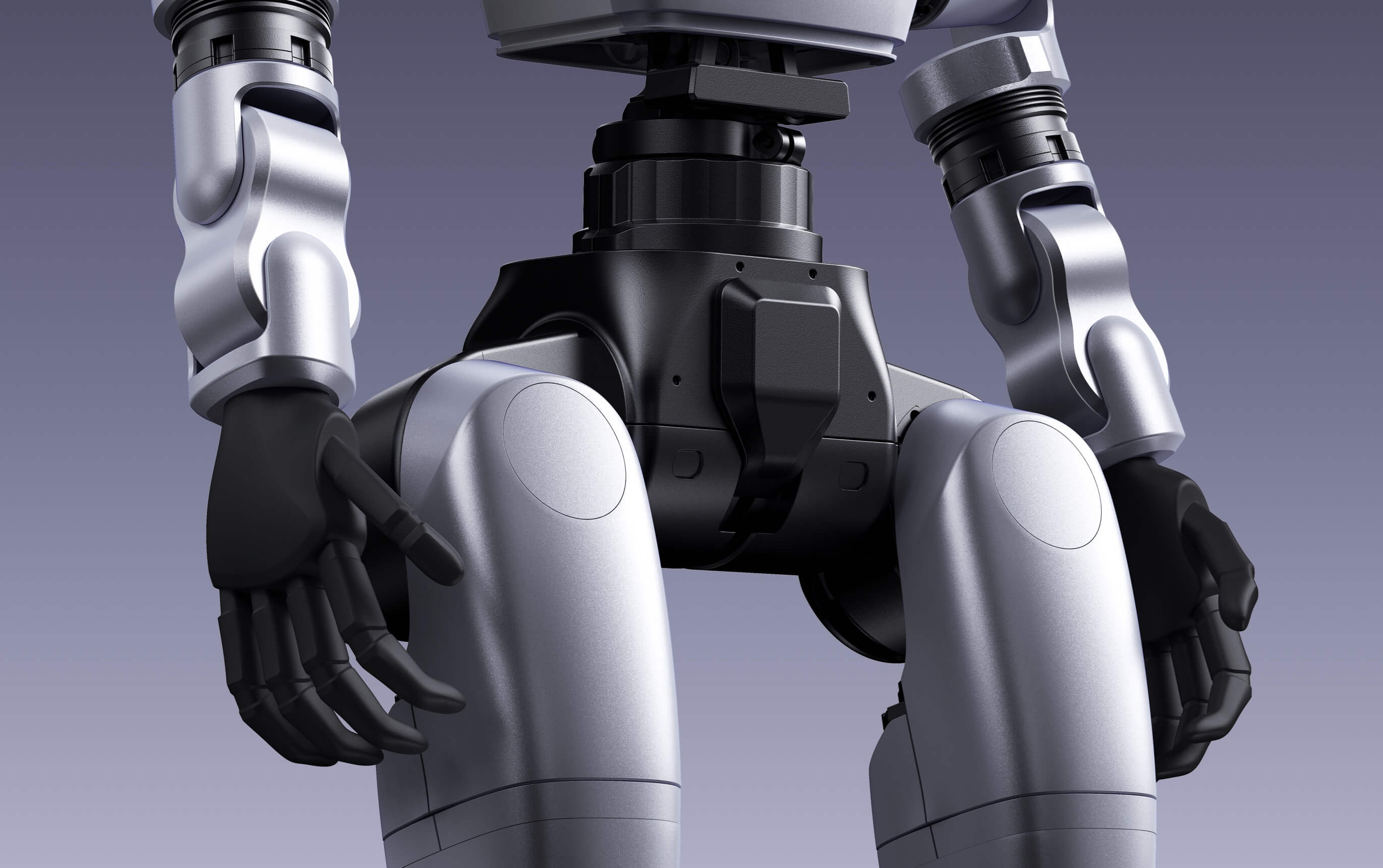
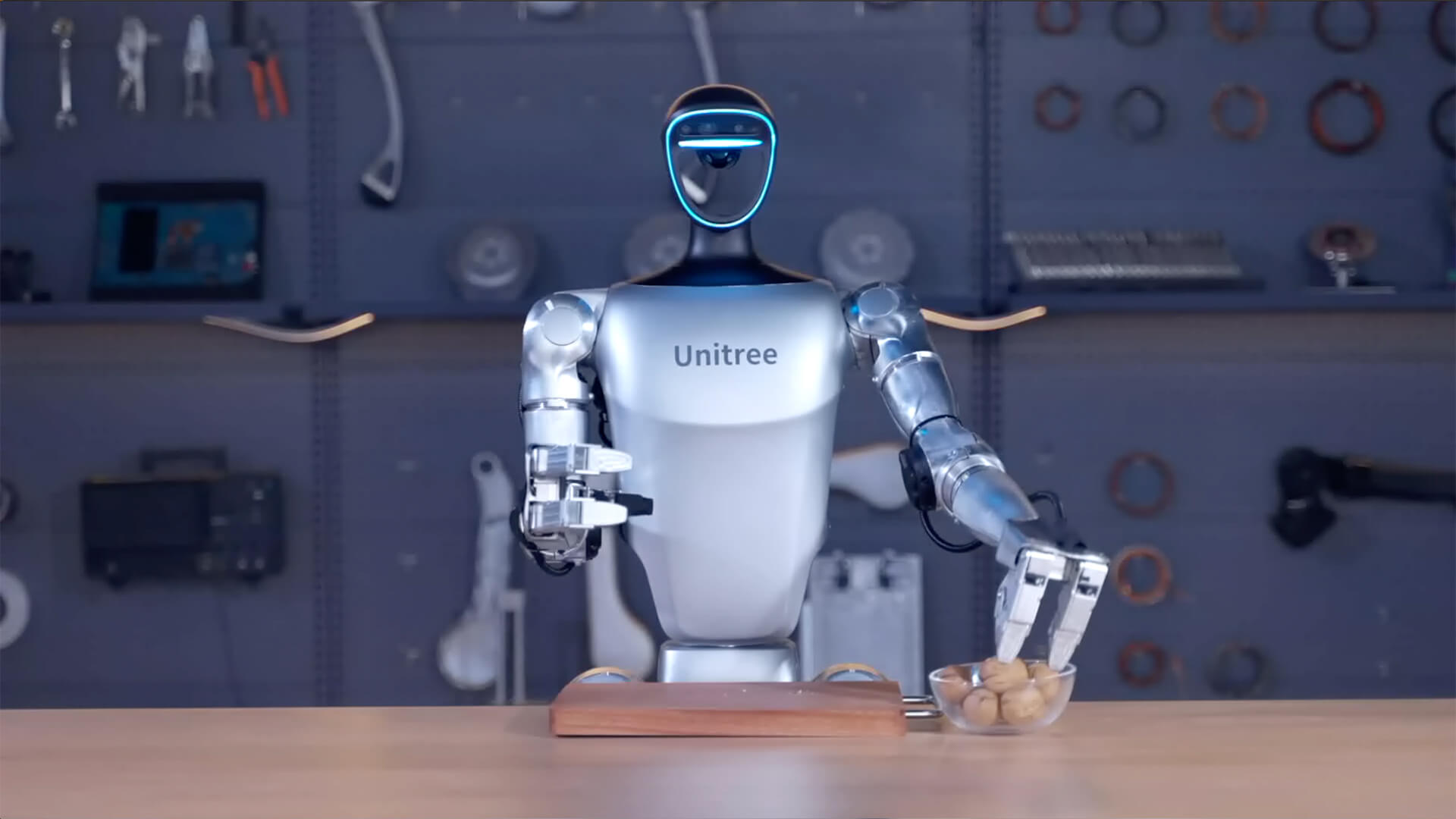
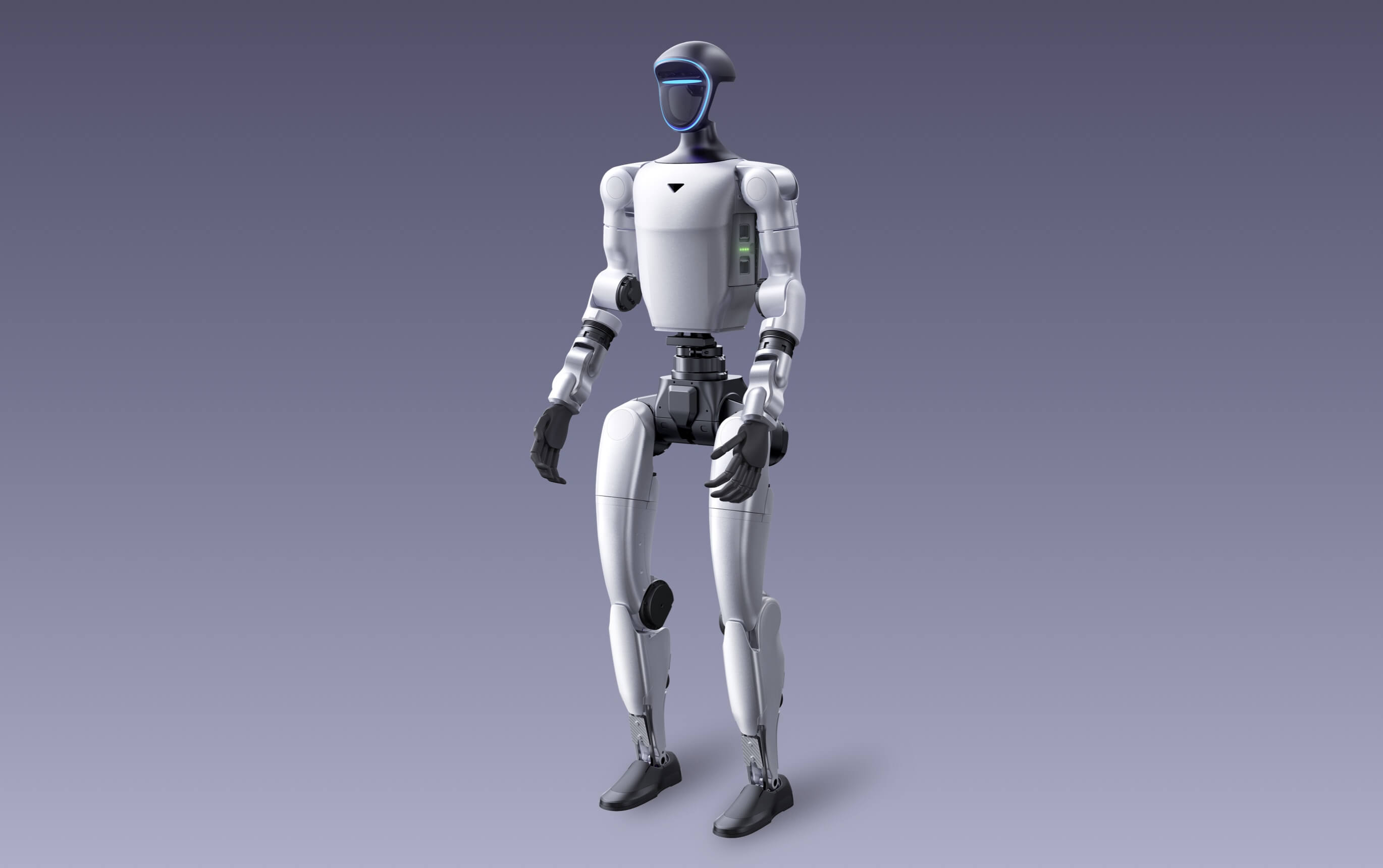
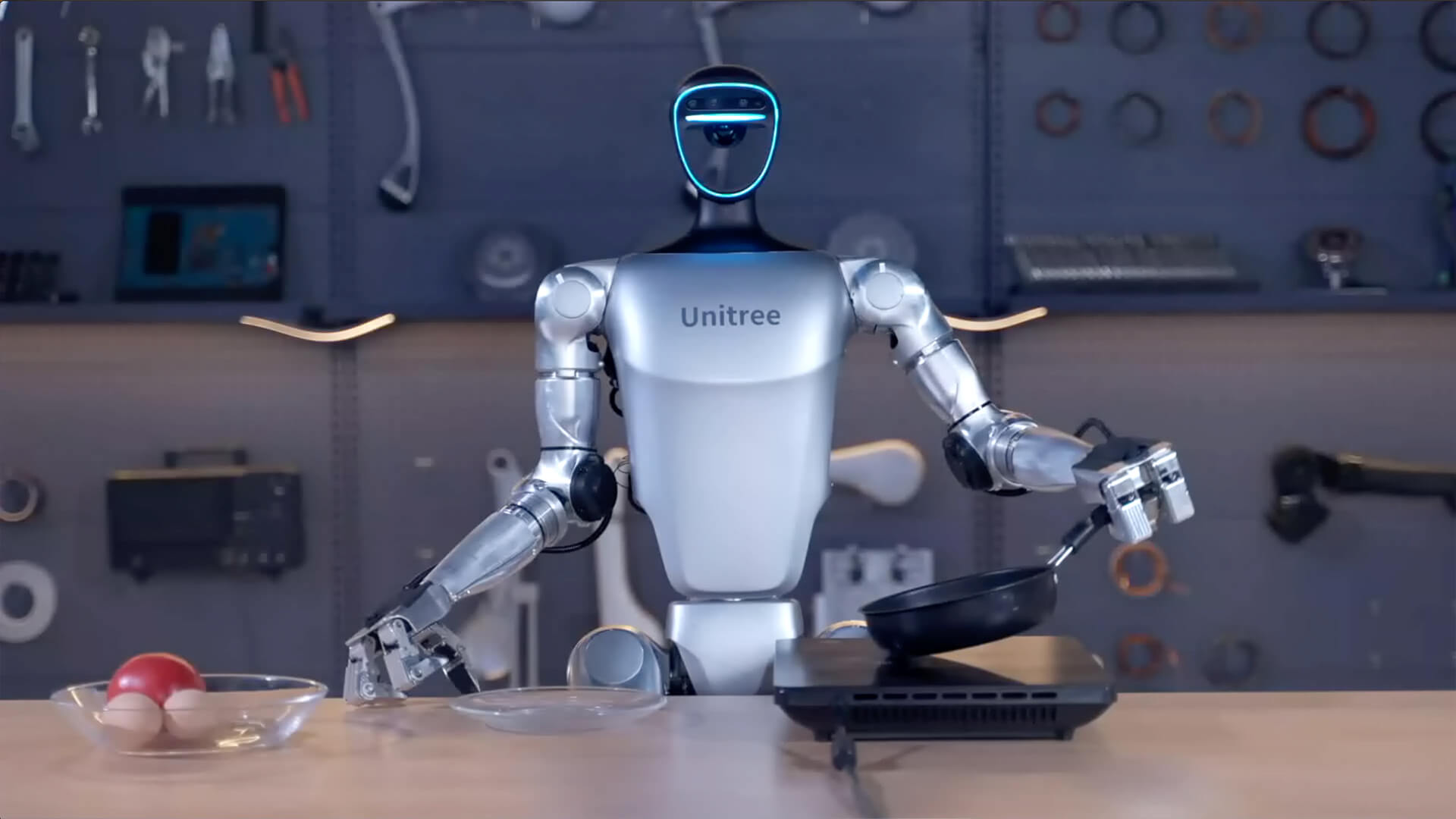
It is crucial to verify capabilities with suppliers rather than assuming they match marketing claims. For example, the Unitree G1 is marketed as having flexible joint movements and AI-driven control. While it features a dexterous hand capable of precise operations, its deployment in a real-world reception or factory setting requires specific verification.
Similarly, social robots like Pepper are designed to connect with people and handle routine tasks. However, their ability to manage bookings or autonomous navigation is not universally guaranteed across all models. A robot's design might include force control dexterity, but this does not automatically mean it is safe for unassisted operation in a public lobby.
The Rental vs. Ownership Decision
For Melbourne and Narre Warren teams, the decision to rent or buy impacts insurance responsibility significantly.
Hiring a Robot
When hiring a robot through platforms like KproApps, you are typically acting as an end-user or event organizer. You need to verify who holds liability for the machine during your hire period. Rental contracts often include indemnity clauses, but these must be reviewed carefully. The cost of rental includes not just the daily rate, but also transport, setup, operator time, and any separately agreed fees.
Owning a Robot
Ownership shifts the burden of maintenance and insurance management to you. You become responsible for ensuring the robot meets safety standards at all times. This often requires more comprehensive public liability coverage compared to a short-term hire.
Key Questions for Your Broker
Before finalizing an insurance arrangement, discuss these specific points with your licensed broker:
- Incident Notification: What is the protocol if the robot malfunctions? Does the insurer require immediate notification?
- Operator Training: Is the policy valid only if operators have completed specific training on the robot's safety features?
- Maintenance Exclusions: Are there exclusions for wear and tear or software updates that could void a claim?
- Third-Party Liability: Does the cover extend to damage caused by the robot to third parties during public events?
Proposed Pilot Scoping
A local pilot should be scoped with clear boundaries. For instance, a receptionist edition of a humanoid robot might focus on privacy and consent in a public lobby. However, this must be treated as a proposed workflow, not an existing deployment.
To ensure safety, the robot should operate under human supervision where possible. Every run should be recorded for analysis, similar to how Embodied AI's AIR stack learns from demonstrations. This data can help refine safety protocols and potentially lower insurance premiums over time by demonstrating safe usage patterns.
Next Steps
Insurance is a general information topic that requires personalized advice. Do not rely on generic online summaries to determine your coverage needs. Contact KproApps, based in Narre Warren and welcoming enquiries from Melbourne and south-east Melbourne, to discuss your intended use case.
Use the Request a robot quote page to explore options that fit your operational requirements. When you are ready to move forward, ensure you have consulted with a licensed broker regarding the specific insurance implications of your project. For teams looking to test hardware without long-term capital outlay, consider using the Rent a Bot: hire a humanoid or list your own portal to browse approved listings and request dates.
Remember, safety and reliability are non-negotiable requirements for physical AI to enter the real world at scale. By understanding the insurance landscape now, you can focus on deploying robots that truly enhance human productivity.
Explore humanoid robots in Australia for buying context.
For general background, see the Australian Government guide to types of business insurance. This is not confirmation that a policy covers a humanoid; discuss the intended rental activity and actual terms with an insurer or licensed broker.
Frequently asked questions
What types of insurance do I need for a humanoid robot pilot in Victoria?
You likely need public liability to cover third-party injury or damage, and workers compensation if your team employs staff operating the robot. Technology and cybercrime coverage may also be relevant for software-dependent systems.
Is insurance included in the rental cost of a humanoid robot?
Insurance is typically not included in rental costs. You must verify with your broker who holds liability during the hire period and ensure your public liability policy covers third-party risks associated with the rented equipment.
How does owning a robot differ from renting it regarding insurance?
Ownership places the full burden of maintenance and compliance on you, often requiring more comprehensive coverage. Rental agreements may shift some liability to the lessor, but you must still confirm who is responsible for incidents.
Sources and further reading
- Embodied AI unveils AIR humanoid robot designed to learn factory tasks on the job — Robotics & Automation News (2026-11-15)
- After SuperMimic, Open-Source Humanoid Motion Trackers Now Train in Minutes on One GPU — Humanoids Daily (2026-11-15)
- Unitree G1 humanoid robot — Unitree Robotics
- Plant safety guidance — WorkSafe Victoria
- Pepper social robot — SoftBank Robotics America
- Types of business insurance — Australian Government business.gov.au
Specifications, configurations, availability and manufacturer terms can change. Confirm the current product configuration and written quotation before ordering.