Neura Robotics Unveils New Humanoid: What It Means for Melbourne Buyers
The robotics landscape is shifting rapidly, with major developments occurring globally that directly impact potential buyers in Victoria. Neura Robotics and TUM open €17 million RoboGym and unveil new humanoid reports that Neura Robotics and the Technical University of Munich have inaugurated a massive €17 million research center near Munich Airport. This facility, known as the TUM RoboGym, is designed to bridge the gap between scientific research and industrial application, allowing companies from diverse sectors like automotive and logistics to train robots on real-world tasks.
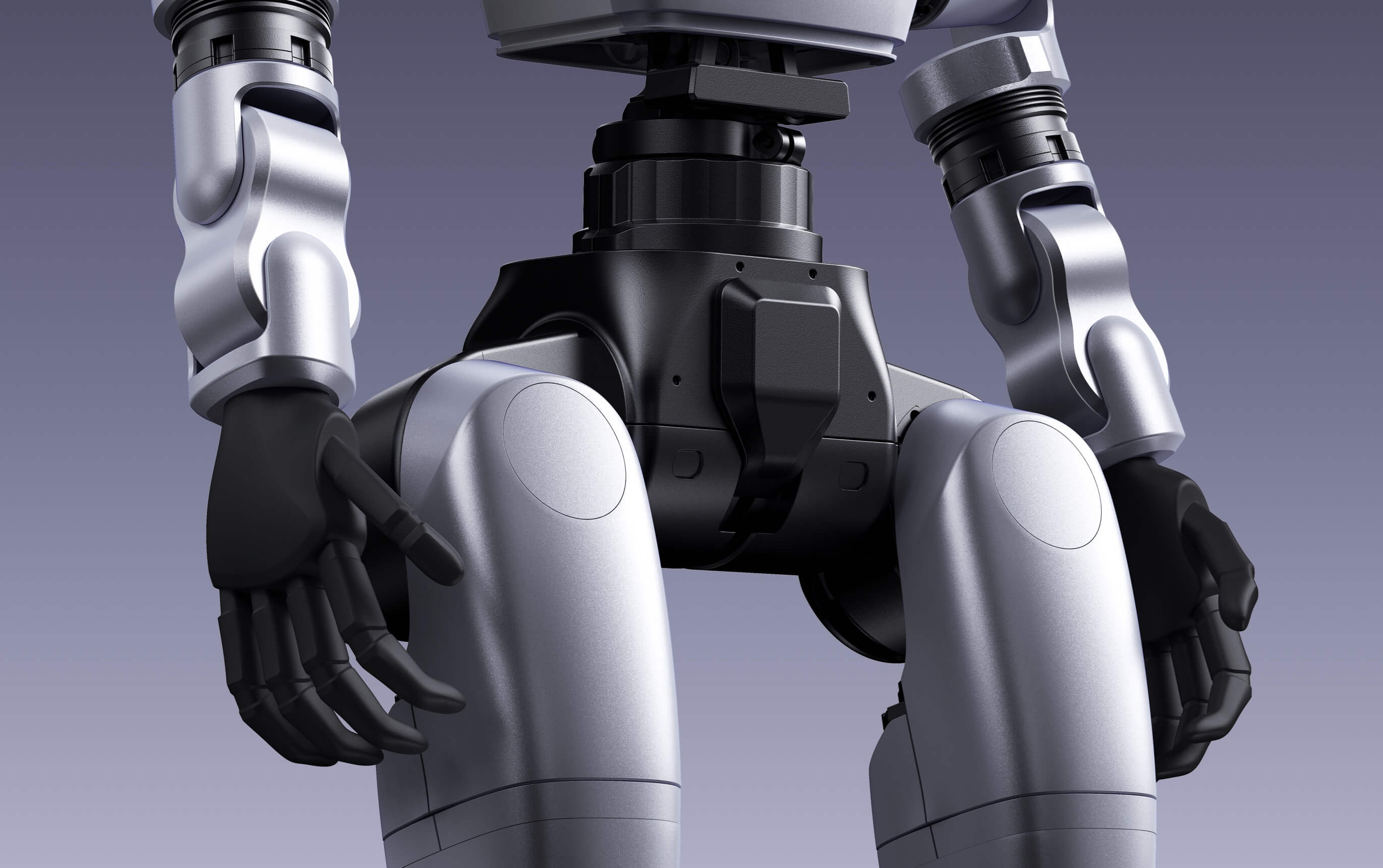
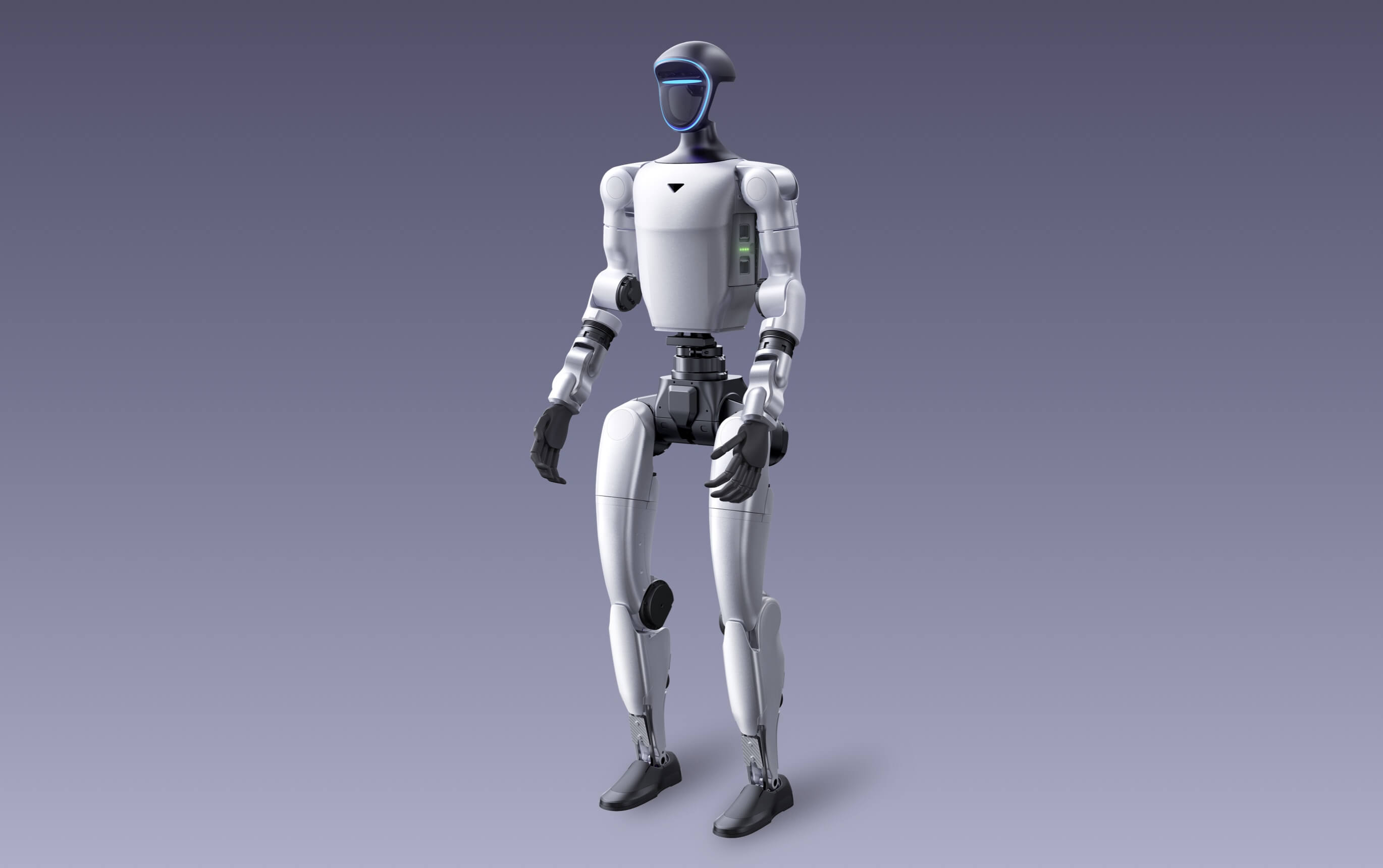
While this news originates in Germany, it signals a broader trend of high-stakes investment in physical AI capabilities. The centerpiece of this announcement is the unveiling of the 4NE1 Gen 4 humanoid robot. According to Robotics & Automation News, this new model is 20 percent lighter than its predecessor and features advanced "Smart Limbs" capable of independent environmental response. It runs on Neuron AI, a Perception-Language-Action model designed for series production.
For robotics teams and businesses operating in Melbourne or the surrounding regions like Narre Warren, these developments highlight the evolving complexity of the market. The focus is shifting from basic mobility to sophisticated manipulation and adaptive learning. However, news from Munich does not imply that Neura Robotics has a local showroom in Victoria, nor does it confirm that this specific model is approved for use in Australian industrial settings.
Understanding the Global Shift
The opening of the TUM RoboGym represents a significant commitment to "physical AI." As David Reger, CEO of Neura, noted, the goal is to build a powerhouse where generational human knowledge becomes the foundation for new possibilities. The facility combines real-world operation, human demonstrations, and simulation to generate training data.
This approach contrasts with other recent developments, such as the Robbyant Embodied AI Challenge in Shanghai, which focuses on adapting open-source models like LingBot-VLA 2.0 to physical hardware over a 48-hour hackathon. While Robbyant's event tests model generalization under pressure, Neura's facility emphasizes long-term industrial readiness and series production capabilities.
For an Australian buyer, the implication is clear: the market is moving toward robots that can handle complex, unstructured tasks rather than just repetitive motions. Whether you are considering automation for a manufacturing line in Narre Warren or a service application in Melbourne, the demand for dexterity and adaptability is increasing.
Key Differences Between Competitors
The Robbyant challenge, utilizing AgileX's Cobot Magic platform, is more experimental, focusing on how quickly teams can adapt AI models to physical robots. This highlights a spectrum of maturity levels in the industry. Neura appears to be at a stage closer to commercial deployment with their "Gen 4" designation and series production focus, whereas other platforms may still be in the testing or early adoption phase.
Practical Implications for Victorian Buyers
For teams researching humanoid robots around Melbourne and Narre Warren, the primary takeaway is the need to verify specific capabilities against your operational requirements. The Neura announcement underscores that "ready" robots are those designed for productive work, not just research prototypes.
Buyers should ask: Is the robot capable of handling tasks like filling bottles or loading wooden components? Does it have sensorized textile skin for safety? Can it operate independently in a dynamic environment?
The distinction between demonstrated capability and commercial readiness is vital. A robot being trained in a €17 million facility does not automatically mean it is available for purchase locally with the same specifications. Buyers must confirm that the configuration matches their intended task, such as material handling or assembly, before making any commitments.
Critical Verification Steps
Before engaging with a supplier for humanoid robotics, several critical factors must be verified to ensure a successful integration:
- Exact Configuration: Confirm the specific model and its degrees of freedom. A robot with 23 joints may differ significantly from one with 43.
- Intended Task: Ensure the robot's skill set matches your workflow, whether it is forklift replacement, assembly line support, or inspection.
- Local Delivery: Verify if the supplier can deliver to Narre Warren or Melbourne within a reasonable timeframe and handle customs if importing.
- Support and Training: Does the vendor provide on-site training for operators? Human-robot collaboration requires skilled personnel.
- Safety Assessment: With WorkSafe Victoria actively investigating plant safety incidents, ensuring the robot meets Australian safety standards is non-negotiable.
- Total Landed Cost: Factor in shipping, installation, maintenance, and software licensing fees.
The Role of Safety Regulations
In Australia, the deployment of new machinery is governed by strict safety protocols. WorkSafe Victoria provides guidance on plant and machinery safety, emphasizing that equipment must be safe for workers to operate near or alongside human staff.
When considering a humanoid robot, you must assess how it interacts with human operators. Does it have force-limiting features? Is it designed to stop immediately upon detecting unexpected contact? The Neura 4NE1 Gen 4 mentions "sensorized textile outer skin," which could be relevant for soft-touch applications, but this feature must be explicitly confirmed to meet Australian industrial safety requirements.
Structuring a Local Pilot
A local pilot program is the best way to validate a new technology before full-scale adoption. To scope a pilot effectively:
Start by defining a single, repetitive task that the robot can perform more efficiently than current manual methods. For example, a warehouse in Narre Warren might choose a specific packing task. Select a supplier who offers transparent pricing and clear service levels. Set up a controlled environment where you can monitor the robot's performance against human benchmarks. Define clear success metrics, such as cycle time reduction or error rates. Finally, establish a feedback loop to gather data on maintenance needs and operator experience.
This approach minimizes risk while providing valuable insights into whether the technology fits your specific operational context.
The Path Forward for Australian Teams
The robotics industry is booming, with investments reaching €17 million in European facilities and thousands of teams registering for global challenges. However, this energy does not guarantee immediate availability or suitability for every local use case.
KproApps is based in Narre Warren and welcomes enquiries from Melbourne and south-east Melbourne regarding the latest robotics technologies. We understand that navigating the market requires careful consideration of your specific needs.
To move forward, we encourage you to Explore humanoid robots in Australia to see what is currently available locally. Do not assume that a robot being showcased overseas is ready for your factory floor without verification.
Next Steps: Get Your Quote
The most effective way to proceed is to request an itemised supplier quote tailored to your project. This will provide clarity on costs, delivery timelines, and support options.
Request a robot quote to begin the process. When you contact us, be prepared to discuss your intended use case, the specific tasks you want the robot to perform, and your location in Melbourne or Narre Warren. Our team will help you analyze the options available in the current market and guide you toward a solution that is both innovative and practical.
Don't wait for news from Sydney or Munich to make decisions about your operations. Start by evaluating what is available today and how it can solve your specific problems.
Frequently asked questions
Is the Neura 4NE1 Gen 4 robot available in Melbourne?
The announcement refers to a facility in Munich. Availability in Australia requires direct verification with suppliers regarding stock, configuration, and local delivery timelines.
How do I verify if a humanoid robot is safe for my workplace?
Consult WorkSafe Victoria guidelines and request documentation from the supplier confirming compliance with Australian plant safety standards and operational protocols.
What should I consider before buying a humanoid robot?
Verify the exact configuration, intended task suitability, local delivery options, operator training availability, and total landed cost including maintenance.
Sources and further reading
- Neura Robotics and TUM open €17 million RoboGym and unveil new humanoid — Robotics & Automation News (2026-10-28)
- Robbyant’s Embodied AI Challenge Will Send 15 Teams to a Real-Robot Final in Shanghai — Humanoids Daily (2026-10-28)
- Unitree G1 humanoid robot — Unitree Robotics
- Plant safety guidance — WorkSafe Victoria
Specifications, configurations, availability and manufacturer terms can change. Confirm the current product configuration and written quotation before ordering.