This analysis draws on the lead news report.
Legs vs Wheels: Why Humanoid Safety Matters for Melbourne Factories
Today in Sydney, reinforcement learning lead Kyle Morgenstein at Apptronik is making a case that the "human form" fits into human spaces primarily because legs are safer to work beside than wheeled bases. In a thread on X published November 19, 2026, Morgenstein argues that while wheeled robots might stop catastrophically better, their large reflected inertia makes them dangerous in frequent low-speed collisions with people. He posits that legged designs allow for dynamic stability and compliance using small actuators, enabling higher work rates in closer proximity with lower risk.
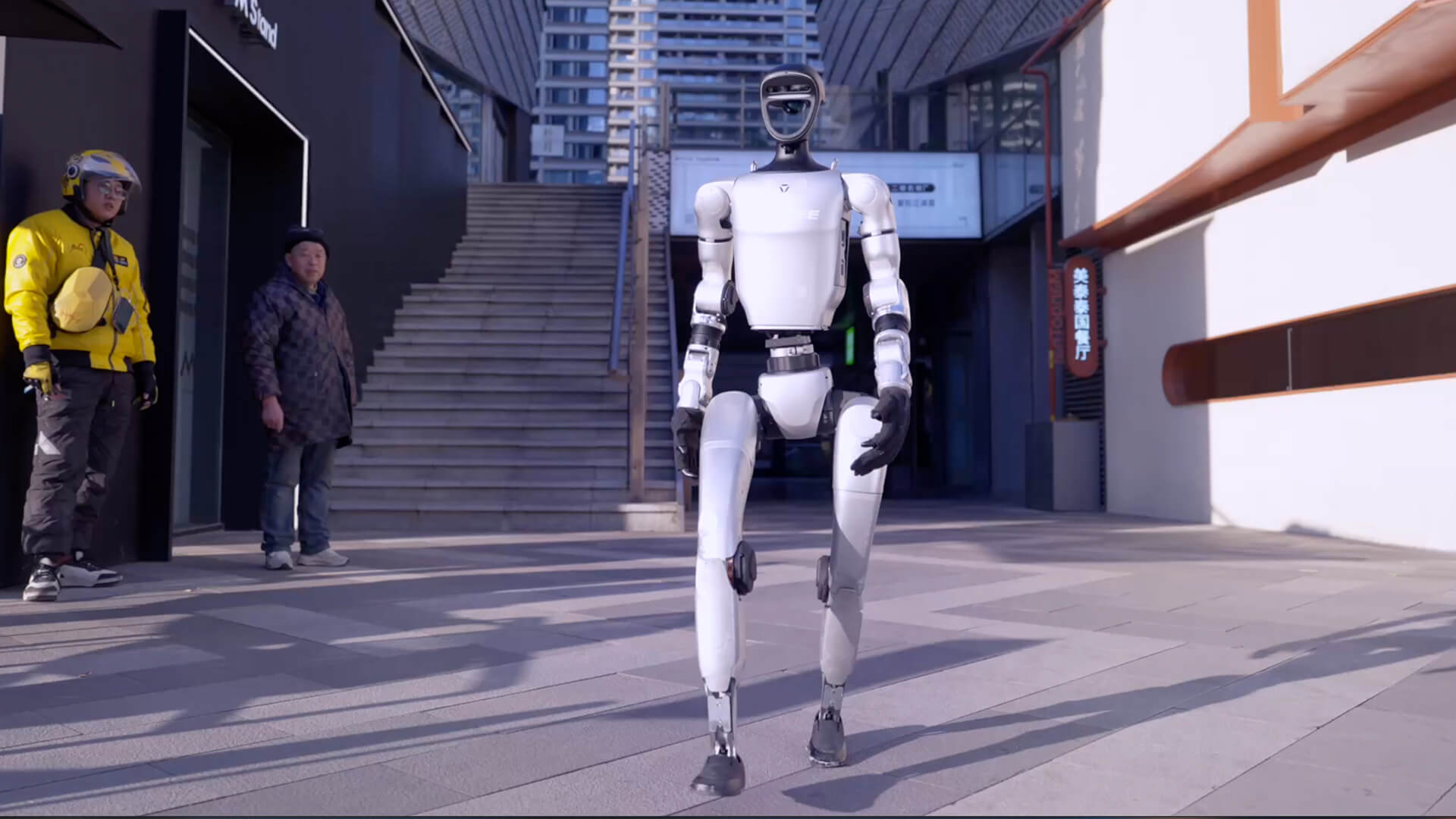
This debate is highly relevant for robotics teams across Melbourne, Narre Warren, and south-east Victoria who are evaluating mobile platforms for plant safety. While Morgenstein's thesis focuses on industrial application, the practical implications extend to social robots and reception workflows where human-robot interaction frequency is high. Whether you are looking at a biped like Unitree G1 or a wheeled platform, understanding the trade-offs between reflected inertia, joint torque, and compliance is essential before committing capital.
The Physics of Safety: Inertia and Compliance
Morgenstein's core argument rests on the concept of "reflected inertia." He explains that a wheeled base carries significant mass in its drive motors and batteries, creating a large effective mass when it collides with a person. This kinetic energy is difficult to dissipate quickly without causing injury.
In contrast, legged robots can utilize dynamic stability to catch themselves upon impact. By controlling their centre of mass (CoM) with exponential acceleration using smaller actuators, they can remain compliant in ways mobile bases cannot. Morgenstein notes that achieving similar control on wheels would require "giant dangerous motors and batteries." However, he concedes that wheeled bases are safer in catastrophic failure because they are statically stable and can e-brake.
For a buyer in Narre Warren, this distinction is critical. A robot designed for high-frequency interaction with humans—such as a reception desk or a warehouse floor—benefits from the compliance profile of legs, whereas a robot moving heavy loads over long distances might prioritize the static stability of wheels.
Practical Implications for Melbourne and Narre Warren Buyers
For teams researching humanoid robotics in Victoria, the choice between legged and wheeled platforms often comes down to the specific task and the environment. If your operation involves frequent manual manipulation near human operators, the compliance argument for legs becomes a primary safety consideration.
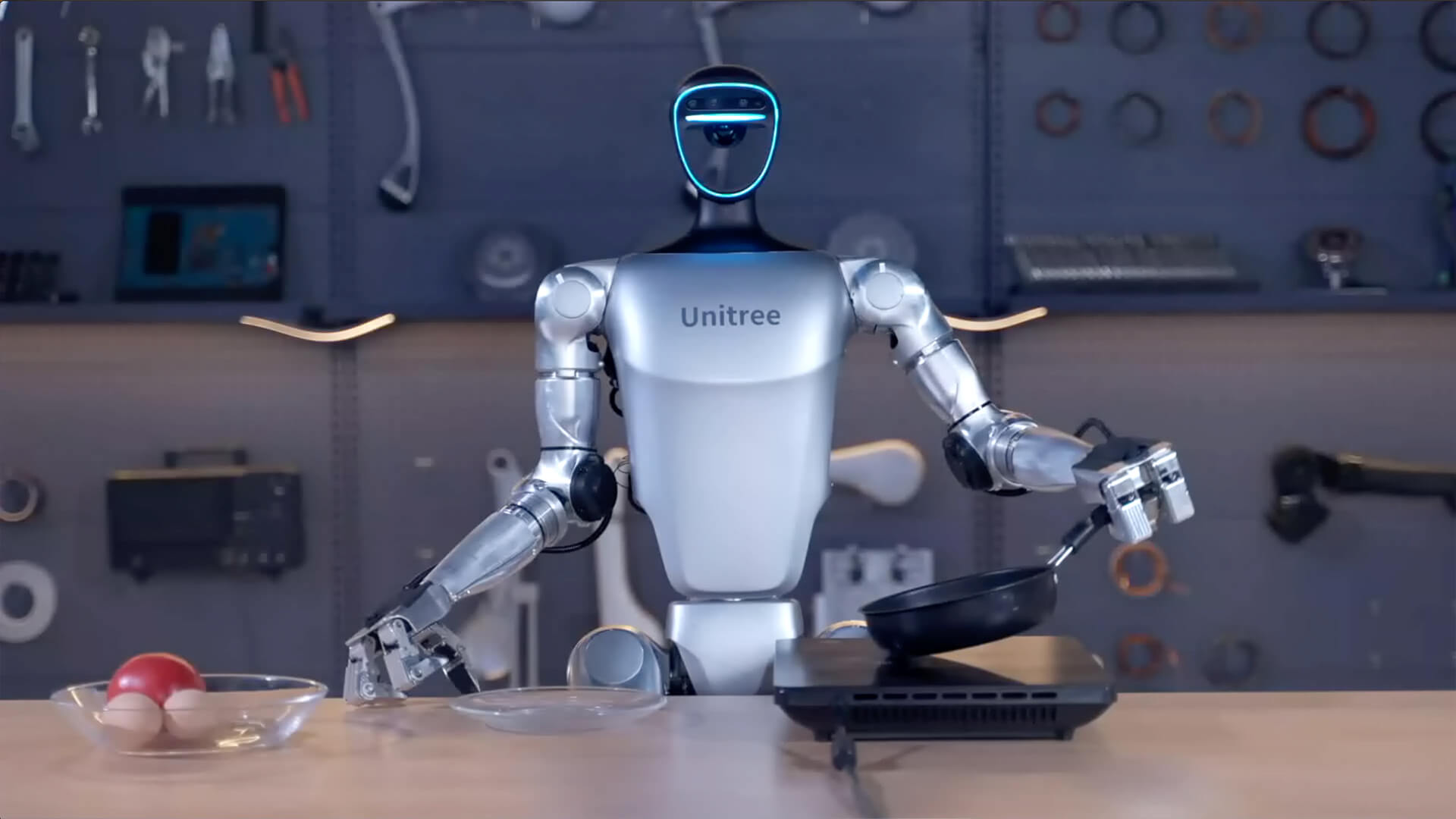
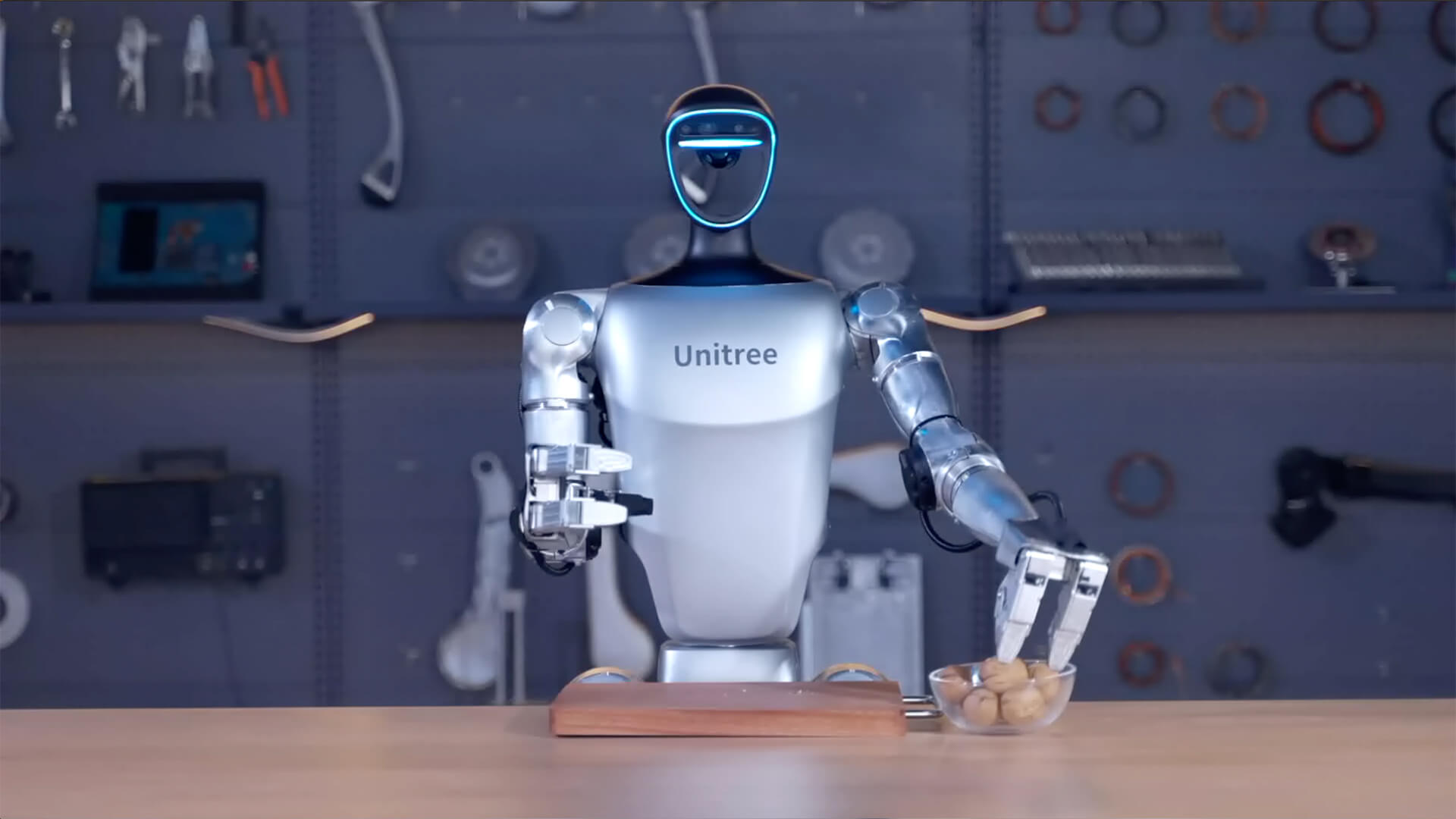
However, it is vital to distinguish between demonstrated capability and commercial readiness. Morgenstein's arguments are based on theoretical reinforcement learning models and his seven-year PhD thesis work. They do not constitute independent safety certifications for specific commercial units currently available in Australia. Similarly, while Unitree Robotics markets its G1 humanoid with features like force-position hybrid control and dexterous hands, these specifications must be verified against local plant safety standards.
Buyers should avoid assuming that a manufacturer's claim of "fitting into human spaces" equates to regulatory compliance for use in Victoria. The recent WorkSafe Victoria news regarding fines for plant-related injuries highlights the risks associated with inadequate mobile plant controls. A robot, regardless of its mobility type, is considered plant and machinery under Australian safety laws.
Verifying Configuration and Task Suitability
Before purchasing or renting a humanoid robot, a Melbourne or Narre Warren buyer must verify several technical details beyond marketing brochures. The exact configuration of the unit matters significantly for both performance and safety.
You need to confirm:
- Mobility Type: Is the base legged or wheeled? Does it have optional drive modes?
- Joint Torque and Actuators: What is the maximum torque per joint? Are harmonic drives used, which can store kinetic energy, or tendon-driven systems that minimize moving mass?
- Intended Task: Can the robot perform the specific manipulation required (e.g., picking up a watering can, handling glass sheets)?
- Local Delivery and Support: Who is responsible for transport, setup, and on-site training in Victoria?
Operator Training and Safety Assessments
The safety of a humanoid robot depends not just on its hardware but on how it is operated. Morgenstein's emphasis on compliance suggests that operator training is crucial to ensure the robot responds predictably in close proximity.
For any deployment, you must verify:
- Operator Training: Is there a certified program for local staff to operate the specific model safely?
- Safety Assessment: Has the robot undergone an assessment against WorkSafe Victoria guidelines for plant and machinery?
- Emergency Protocols: What are the procedures for static failure versus dynamic interaction?
Total Landed Cost Considerations
The cost of a humanoid robot extends far beyond the sticker price. A buyer in Narre Warren must consider the total landed cost, which includes transport, setup, operator time, supported software integration, maintenance, and potential downtime.
When comparing options, ask suppliers for an itemised budget that breaks down these qualitative costs. Do not rely on generic pricing; request quotes specific to your intended use case. Gross rental revenue is not profit, and booked days are not guaranteed, so understanding the full cost structure of ownership or hire is essential for financial planning.
Scoping a Local Pilot
A local pilot could be scoped by defining clear boundaries for human-robot interaction. Start with a low-risk environment where the robot can demonstrate its compliance capabilities without high-stakes consequences.
For example, a reception desk in a Narre Warren business could test a social humanoid's ability to interact safely with customers. The pilot should establish a human fallback mechanism, ensuring that if the robot fails to comply or encounters an unexpected situation, a human can immediately take over. This approach allows teams to gather data on real-world performance without risking significant injury or downtime.
Rent vs Own: A Supervised Pilot Approach
Deciding between renting and owning a humanoid robot for a pilot depends on your risk tolerance and capital availability. Renting offers a supervised environment with lower upfront costs but may lack long-term customization. Owning provides control over maintenance and integration but requires significant investment in safety compliance.
To compare short-term hire with ownership, consider the itemised budget categories: hire period, transport, setup, operator time, supported software integration, maintenance, and any separately agreed fees. Rental portals require sign-in to browse approved listings and request dates, while owners must register units for review and propose rates. Rates shown by owners are proposals, not confirmed quotes.
Comparing Social Humanoids: Unitree G1 and Pepper
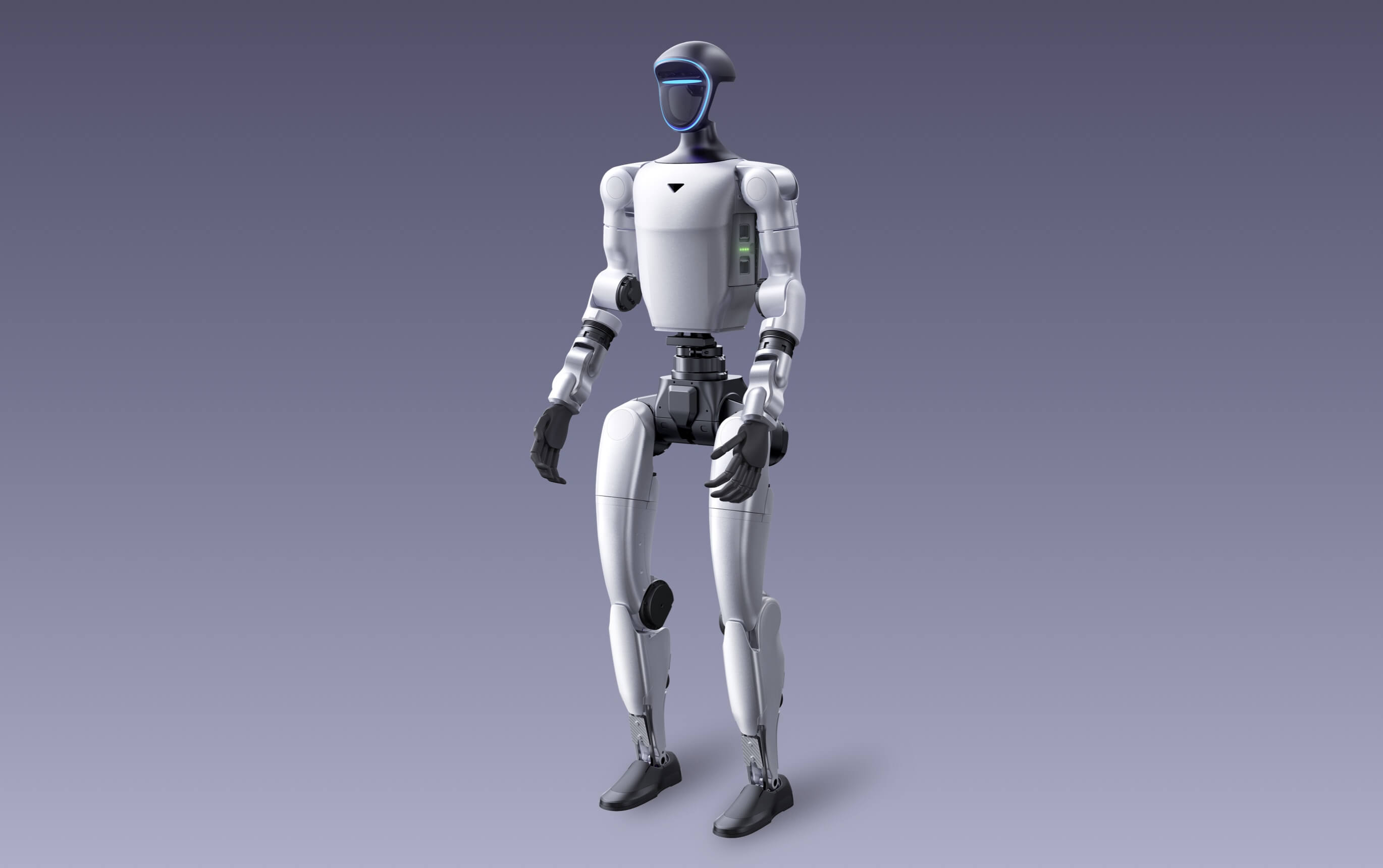
When considering social robots for reception workflows, it is important to distinguish between different manufacturers' offerings. Unitree Robotics has introduced the G1 humanoid, which features a height of 1320mm when standing and weighs approximately 35kg with a battery. It boasts 23 degrees of freedom in its legs alone and offers optional force-controlled dexterous hands.
SoftBank Robotics America markets Pepper as a social robot designed to connect with people, assisting businesses in hospitality and higher education. While Pepper is marketed for its ability to handle routine tasks and interact with human teams, buyers must verify if it meets the specific safety requirements for their local environment.
Neither Unitree G1 nor Pepper has been independently verified by WorkSafe Victoria or KproApps as approved for use in a specific Melbourne facility. Buyers should treat manufacturer marketing as context, not proof of commercial readiness or safety approval. Always request an itemised supplier quote that details the robot's configuration and intended task.
Next Steps for Your Robotics Team
If you are researching humanoid robots around Melbourne, Narre Warren, and south-east Melbourne, the safest path forward is to engage with a local supplier who can provide transparent, itemised quotes. KproApps is based in Narre Warren and welcomes enquiries from Melbourne and south-east Melbourne.
To begin, visit our shop to explore available options or Request a robot quote for a custom proposal. For teams interested in testing capabilities without long-term commitment, consider comparing rental options via our Rent a Bot: hire a humanoid or list your own portal. Finally, do not hesitate to contact KproApps about your intended use and explore the website for more insights into the evolving landscape of Australian robotics.
Explore humanoid robots in Australia for buying context.
Frequently asked questions
Are legged humanoid robots safer than wheeled ones in Victoria?
Apptronik's RL lead argues legs are safer for frequent human proximity due to dynamic compliance, but this is a theoretical claim. Buyers must verify local safety certifications and WorkSafe guidelines before assuming commercial readiness.
How do I verify if a robot like Unitree G1 or Pepper is safe for my site?
Request an itemised supplier quote detailing the exact configuration, intended task, and safety assessment. Do not rely on manufacturer marketing; confirm compliance with WorkSafe Victoria plant machinery standards.
What should I include in a pilot budget for hiring or buying a robot?
Include hire period, transport, setup, operator time, software integration, maintenance, and downtime. Gross rental revenue is not profit; request written quotes with separate refundable deposits from final costs.
Sources and further reading
- Apptronik's RL Lead Says Legs, Not Wheels, Make Robots Safe to Work Beside — Humanoids Daily (2026-11-20)
- Unitree G1 humanoid robot — Unitree Robotics
- Plant safety guidance — WorkSafe Victoria
- Pepper social robot — SoftBank Robotics America
Specifications, configurations, availability and manufacturer terms can change. Confirm the current product configuration and written quotation before ordering.