This analysis draws on the lead news report.
Humanoid Receptionist Options in Melbourne: Readiness and Buyer Checks
The Lab vs. The Shop: Distinguishing Capabilities
The PHD-Hand represents a significant leap in accessible robotics technology, utilizing 15 actuated joints driven by rods and linkages instead of traditional tendons [Source 1]. The design avoids the maintenance issues associated with stretching cables, offering a human-like dexterity without constant re-tensioning. However, the prototype lacks touch sensors, and its grip force has not been measured independently. For an organization considering deployment in Victoria, this gap between academic demonstration and reliable tool usage is substantial.
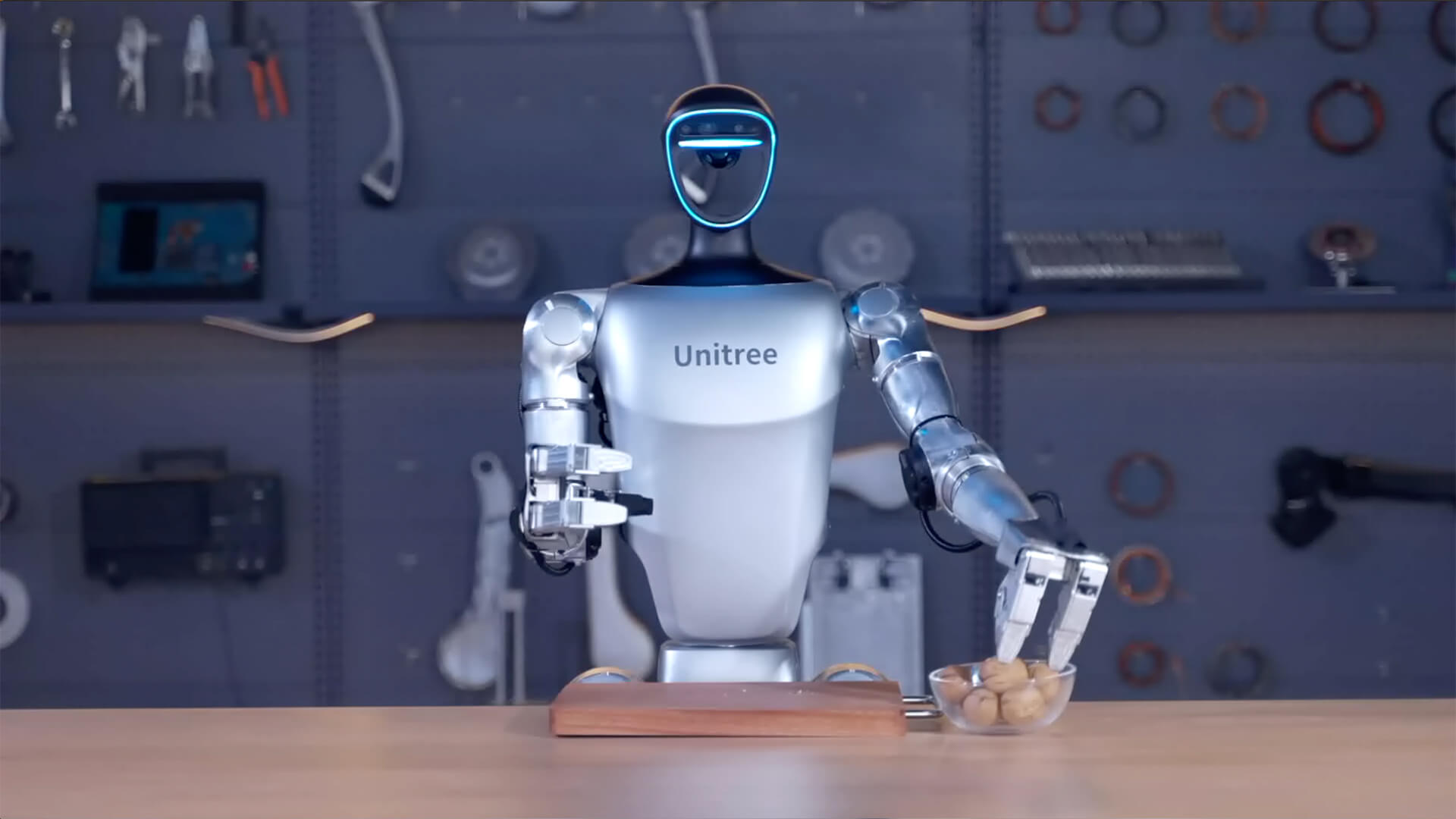
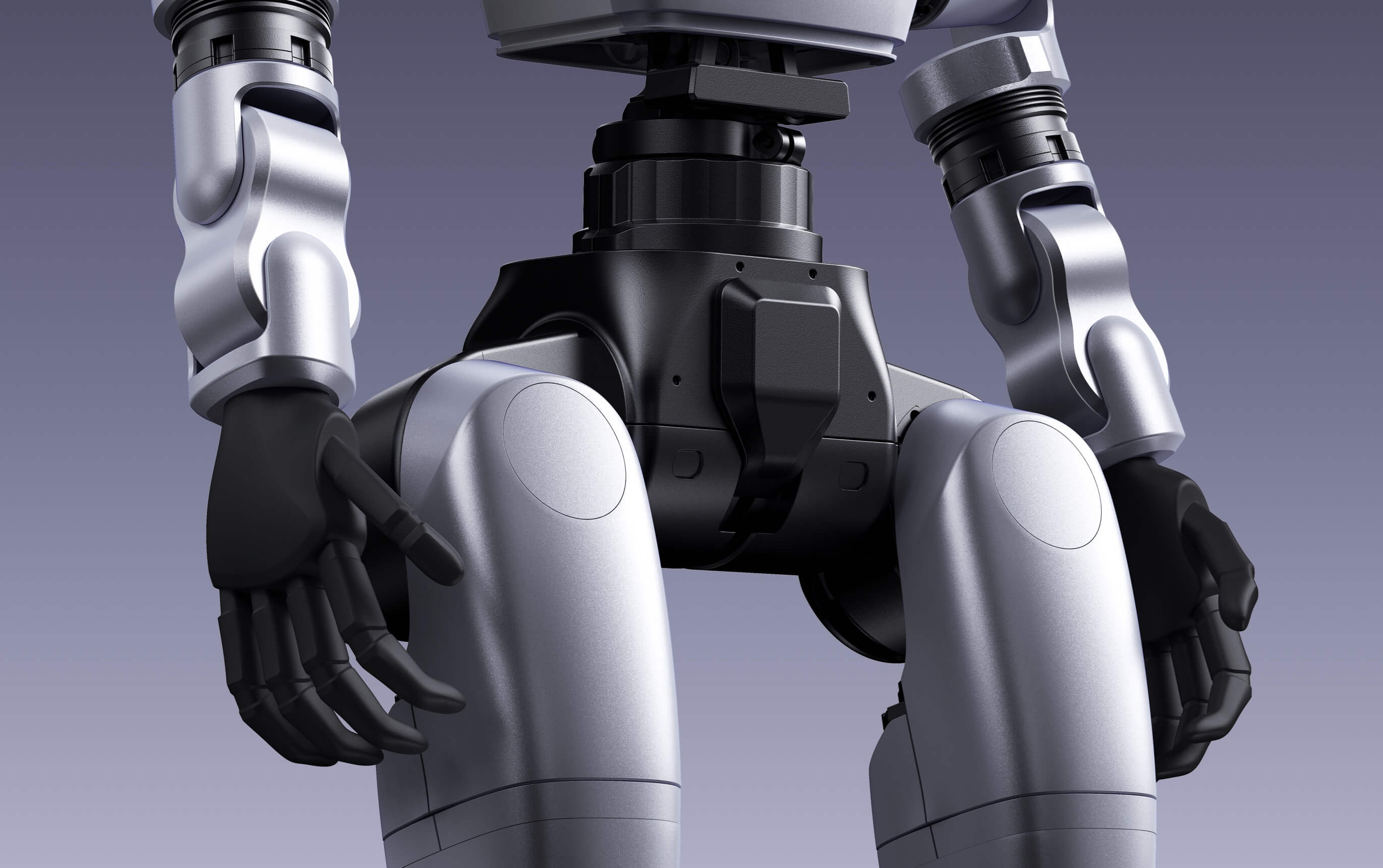
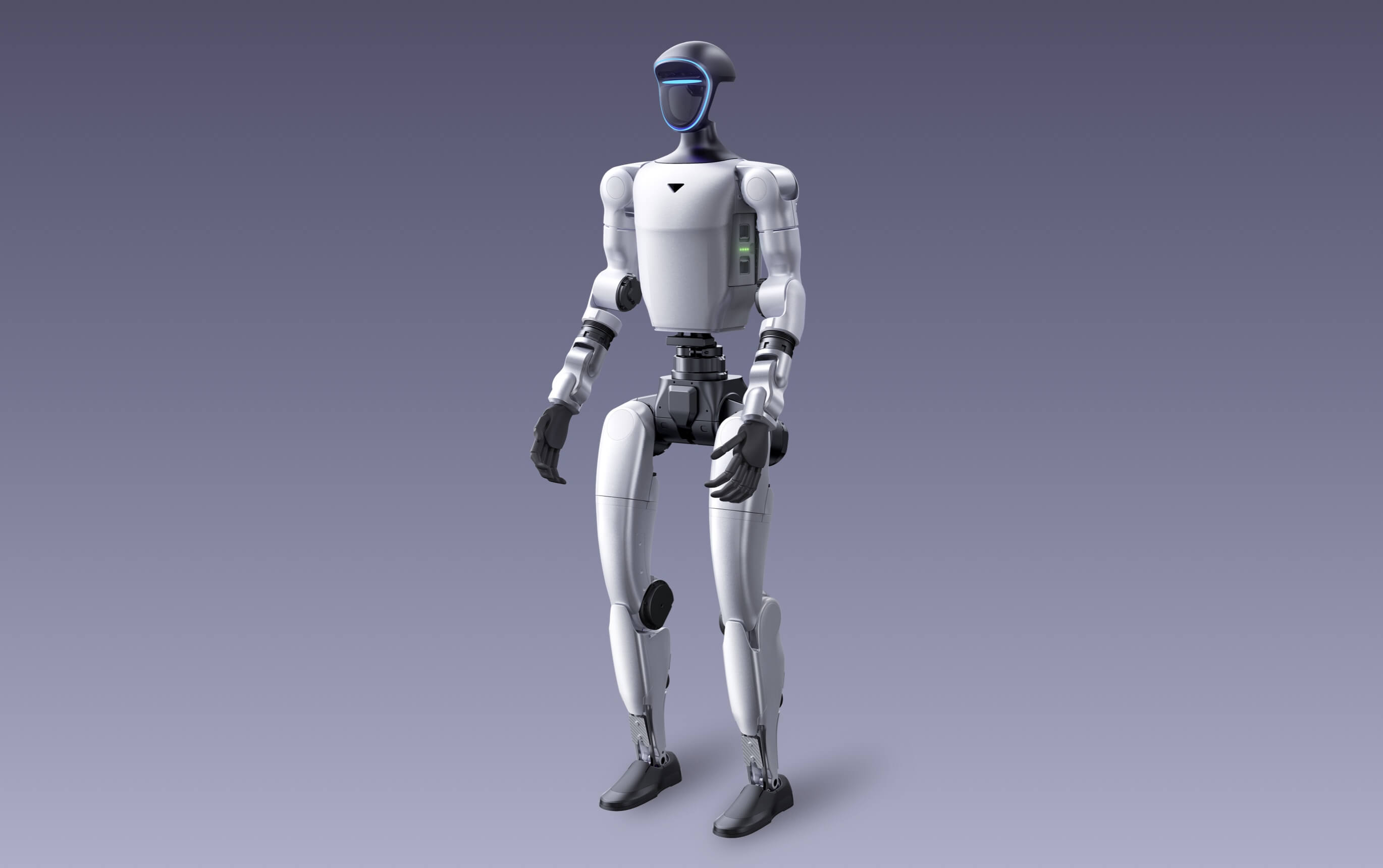
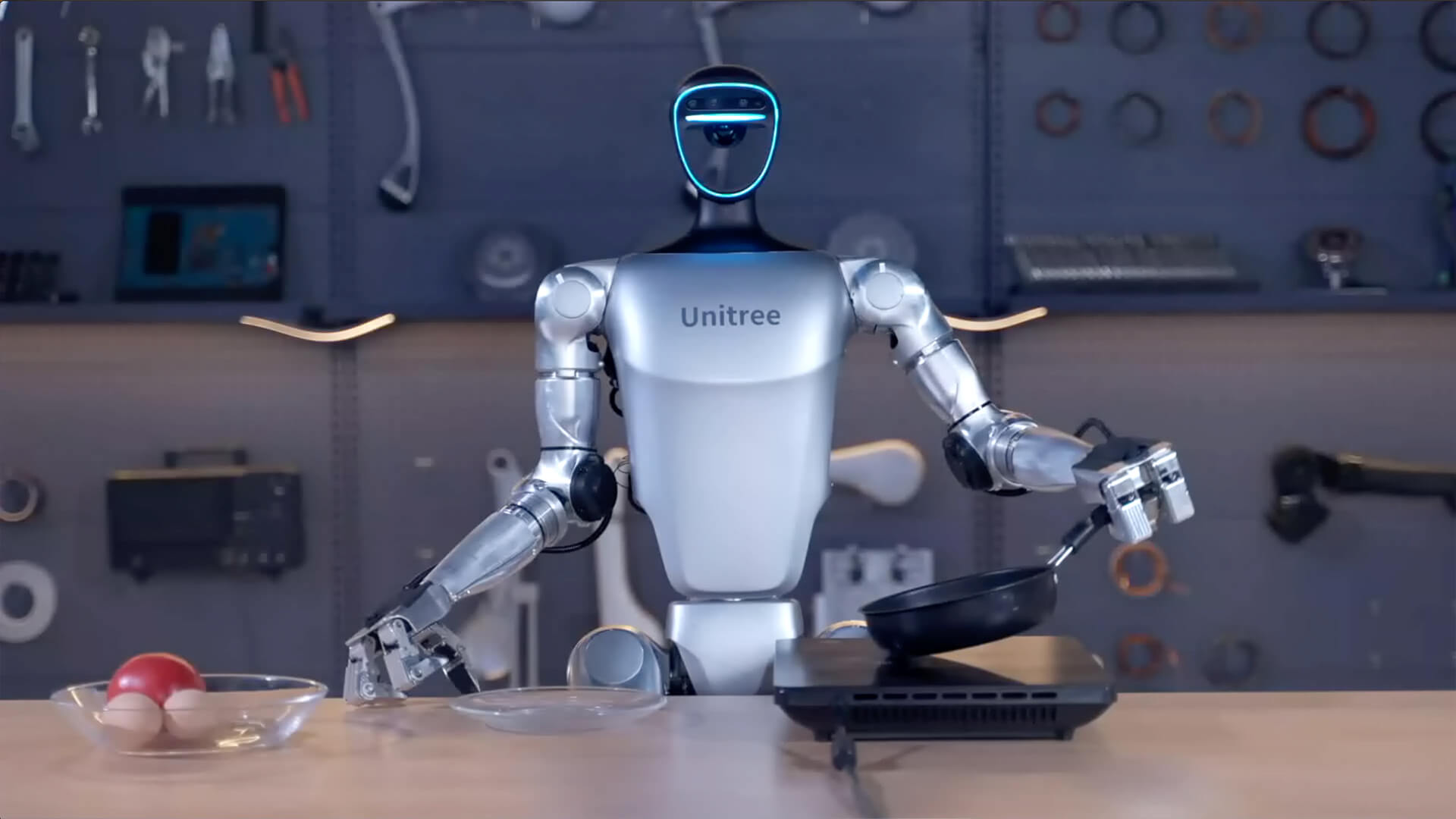
In contrast, commercial entities like Unitree Robotics offer systems closer to market readiness. The Unitree G1 features a dexterous hand with optional force control and tactile sensors, designed for precise object manipulation [Source 2]. While the NJIT project proves that low-cost actuation is possible, the Unitree G1 represents a more integrated approach suitable for environments requiring consistent performance. It utilizes industrial-grade crossed roller bearings and hollow electrical routing, which are essential for durability in commercial settings.
Safety First: Victoria's Regulatory Landscape
Operating humanoid robots in Australian workplaces requires strict adherence to safety standards, particularly regarding plant and machinery regulations. WorkSafe Victoria provides comprehensive guidance on the risks associated with powered mobile equipment [Source 3]. Recent incidents, such as a $60,000 fine for a glass supplier involving falling loads, underscore the necessity of rigorous safety controls.
Before deploying any humanoid system, buyers must verify that the robot's design complies with local plant safety regulations. This includes assessing joint limits, emergency stop mechanisms, and the integration of force-limiting controls to prevent injury to operators or bystanders. The distinction between a research prototype and a deployable asset is crucial; a robot capable of turning a screwdriver in a video does not necessarily mean it can handle the same task reliably in a busy Melbourne warehouse without supervision.
Commercial Readiness vs. Prototype Innovation
The NJIT project operates under open-source licenses, aiming to release design files and control software soon [Source 1]. This accessibility is valuable for educational institutions and prototyping teams but does not guarantee a supply chain or after-sales support network. Conversely, manufacturers like Unitree provide industrial-grade components that are essential for longevity.
When evaluating options, it is vital to distinguish between a research prototype and a deployable asset. A robot that can perform complex grasps in a controlled lab environment may lack the robustness required for unstructured commercial floors. Buyers must understand that demonstrated capability does not equate to commercial readiness, which involves verified safety assessments, reliable software updates, and a clear path to maintenance.
Key Verification Points for Suppliers
Prospective buyers should engage with suppliers to clarify several critical areas before committing to a purchase or rental agreement:
- Exact Configuration: Confirm the specific degrees of freedom, sensor suite (e.g., force control), and end-effector options available. Does the unitree G1 offer optional three-fingered hands with tactile sensors [Source 2]?
- Intended Task: Ask how the robot has been validated for your specific workflow. A general-purpose hand may lack the precision required for delicate assembly tasks.
- Local Delivery and Support: Verify if the supplier can deliver to Victoria and provide on-site technical support or training.
- Operator Training: Determine if comprehensive training programs are included to ensure safe and effective operation.
- Safety Assessment: Request documentation of any third-party safety assessments relevant to Australian plant regulations.
- Total Landed Cost: Obtain a detailed breakdown including shipping, installation, software licensing, and maintenance contracts.
How to Scope a Local Pilot
A pragmatic approach for organizations in Melbourne or Narre Warren is to initiate a small-scale pilot program. This involves defining a narrow, high-value task where the robot can demonstrate clear value over manual labor.
For example, a logistics team might test a humanoid's ability to sort and package specific items in a controlled zone. The pilot should include a human fallback mechanism, ensuring that if the robot encounters an anomaly, a human operator can immediately intervene. This phased approach minimizes risk while gathering data on real-world performance, allowing for iterative improvements before wider deployment.
Rental vs. Ownership: Strategic Considerations
Deciding between renting and buying a humanoid robot depends on your operational needs and budget constraints. Renting offers flexibility without the capital expenditure of ownership, ideal for testing new workflows or handling seasonal demand spikes.
To explore rental options, you can Rent a Bot: hire a humanoid or list your own. The process involves browsing approved listings and requesting dates. However, it is vital to understand that gross rental revenue is not profit; costs such as transport, setup, operator time, maintenance, and downtime must be factored into the budget.
Ownership, on the other hand, provides long-term asset value but requires significant upfront investment and ongoing maintenance planning. Both routes require itemised quotes to avoid hidden fees. KproApps facilitates both pathways, allowing businesses to compare costs without making immediate commitments.
KproApps: Your Local Robotics Partner
KproApps is based in Narre Warren and welcomes enquiries from Melbourne and south-east Melbourne. We understand that navigating the complex landscape of humanoid robotics requires expert guidance. Whether you are interested in the cutting-edge innovations like NJIT's printed hand or established commercial solutions like the Unitree G1, our team can assist.
We do not claim to stock every model globally, but we provide a curated pathway to explore what is available locally and internationally. Our goal is to help you make informed decisions based on verified capabilities rather than marketing hype. The distinction between a wheeled social humanoid like Pepper [Source 4] and a walking biped is also relevant; some applications require mobility while others focus solely on manipulation or interaction.
Next Steps: Request Your Quote
To move forward with your humanoid robotics project, the first step is to request a detailed quote from a reputable supplier. This will provide an itemised budget covering all necessary components for your specific use case.
Request a robot quote to begin exploring options tailored to your business needs in Victoria.
Explore humanoid robots in Australia for buying context.
Frequently asked questions
Is the NJIT PHD-Hand ready for commercial use in Melbourne?
No, the PHD-Hand is a research prototype lacking touch sensors and independent safety validation. It demonstrates dexterity but is not yet commercially ready for industrial deployment.
How do I verify if a humanoid robot meets Australian safety standards?
Contact your supplier to request documentation of third-party safety assessments and ensure they comply with WorkSafe Victoria guidelines on plant and machinery before operation.
What is the difference between renting and buying a humanoid robot?
Renting offers flexibility for testing workflows without capital risk, while buying provides long-term asset value. Both require itemised quotes to account for transport, maintenance, and downtime costs.
Sources and further reading
- NJIT's PHD-Hand Uses Linkages, Not Tendons, in a Humanoid Hand You Can Print for Under $650 — Humanoids Daily (2026-11-19)
- Unitree G1 humanoid robot — Unitree Robotics
- Plant safety guidance — WorkSafe Victoria
- Pepper social robot — SoftBank Robotics America
Specifications, configurations, availability and manufacturer terms can change. Confirm the current product configuration and written quotation before ordering.