This analysis draws on the lead news report.
Humanoid Robots in Melbourne: Can They Handle Real-World Tasks?
Today in Sydney is November 25, 2026. The global robotics conversation has been dominated by a specific challenge regarding the reliability of robot demonstrations. At the iConnections TomorrowX Summit, Elon Musk argued that current humanoid demos are "staged and pre-programmed," citing a scenario where a robot cannot pick up an apple if the table beneath it is moved. However, on November 23, Figure AI CEO Brett Adcock countered this narrative with a video of his Figure 03 robot successfully re-picking an apple after its table was relocated. This clip, described as "zero shot and fully autonomous," suggests that learned policies can adapt to physical changes in the environment without human intervention.
For robotics teams and businesses considering humanoid integration in Melbourne and the Narre Warren region, this distinction between staged demos and adaptive autonomy is critical. It shifts the focus from marketing theatrics to operational readiness. While Figure's home trials reported a 56% completion rate on unfamiliar chores, the ability to re-learn object positions offers a tangible path toward reliable deployment.
The Shift from Staged to Autonomous
The debate between Musk and Adcock highlights a fundamental difference in how robots process information. Traditional demonstrations often rely on pre-recorded motion replays, which fail when environmental geometry changes. In contrast, the Figure 03 clip utilizes Helix, a vision-language-action model that processes continuous camera input and spoken instructions to output motor commands frame-by-frame.
This technology allows the robot to recognize that the table has moved and adjust its grasp strategy accordingly. For a buyer in Narre Warren, this means asking for evidence of "learned policies" rather than just watching a polished video. The broader industry trend is moving toward models like Helix 2.5, which have demonstrated success in unseen homes by generalizing tasks across new environments.
Practical Implications for Melbourne Buyers
For organizations evaluating humanoid robots for industrial or commercial use in Melbourne and surrounding areas, the implication is a need to verify configuration specificity. A robot capable of re-picking an apple on a moved table does not automatically mean it can navigate a warehouse or handle complex assembly tasks without training.
Buyers must distinguish between demonstrated capability and commercial readiness. The Figure 03 clip is a proof of concept for adaptive grasping, but it does not guarantee that the robot will perform safely in a factory setting without further calibration. When sourcing a solution for Melbourne businesses, the focus should be on verifying the exact configuration intended for the specific task, such as force control for delicate manipulation versus high-torque lifting.
Comparing Leading Models: Figure vs. Unitree
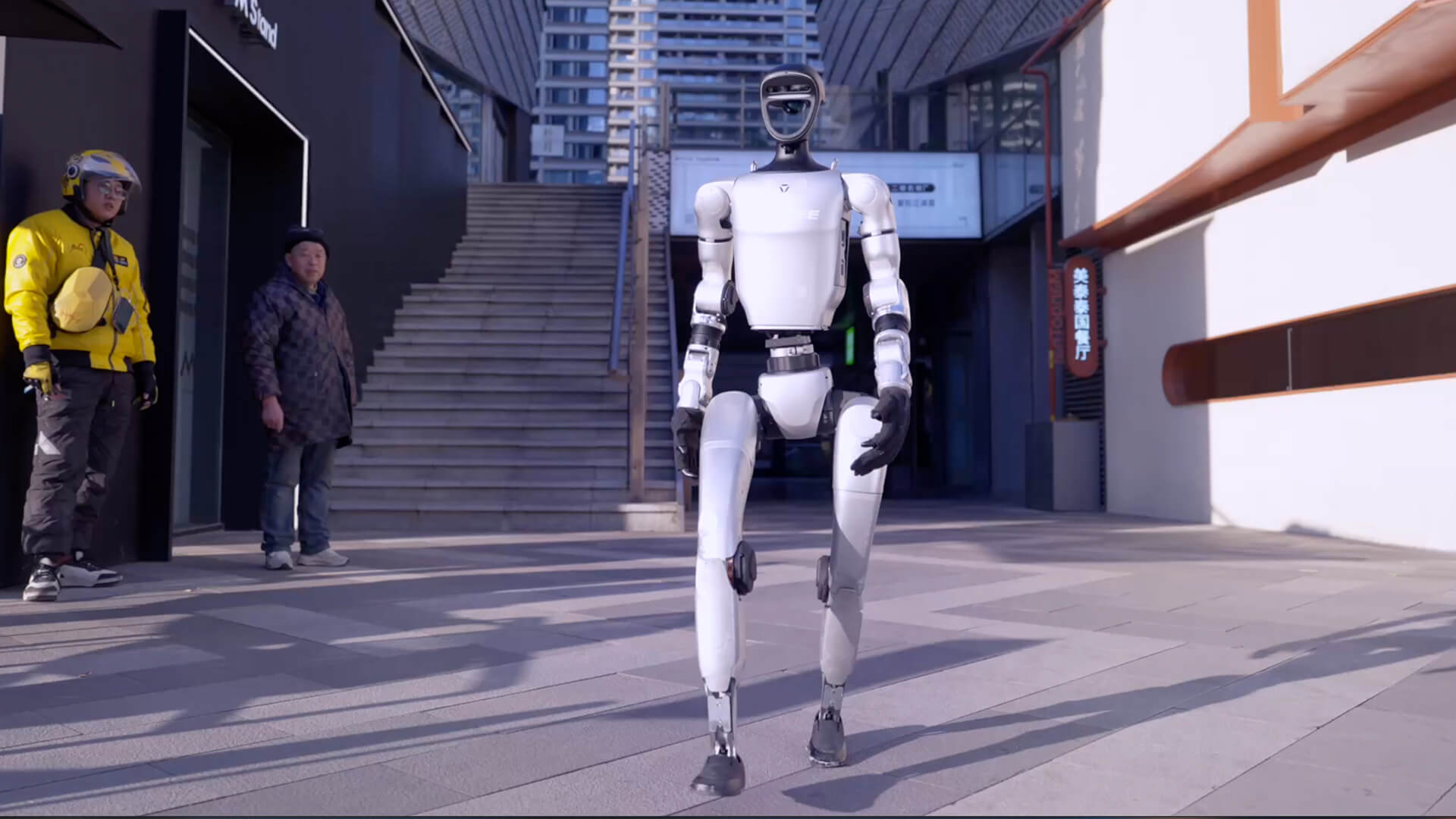
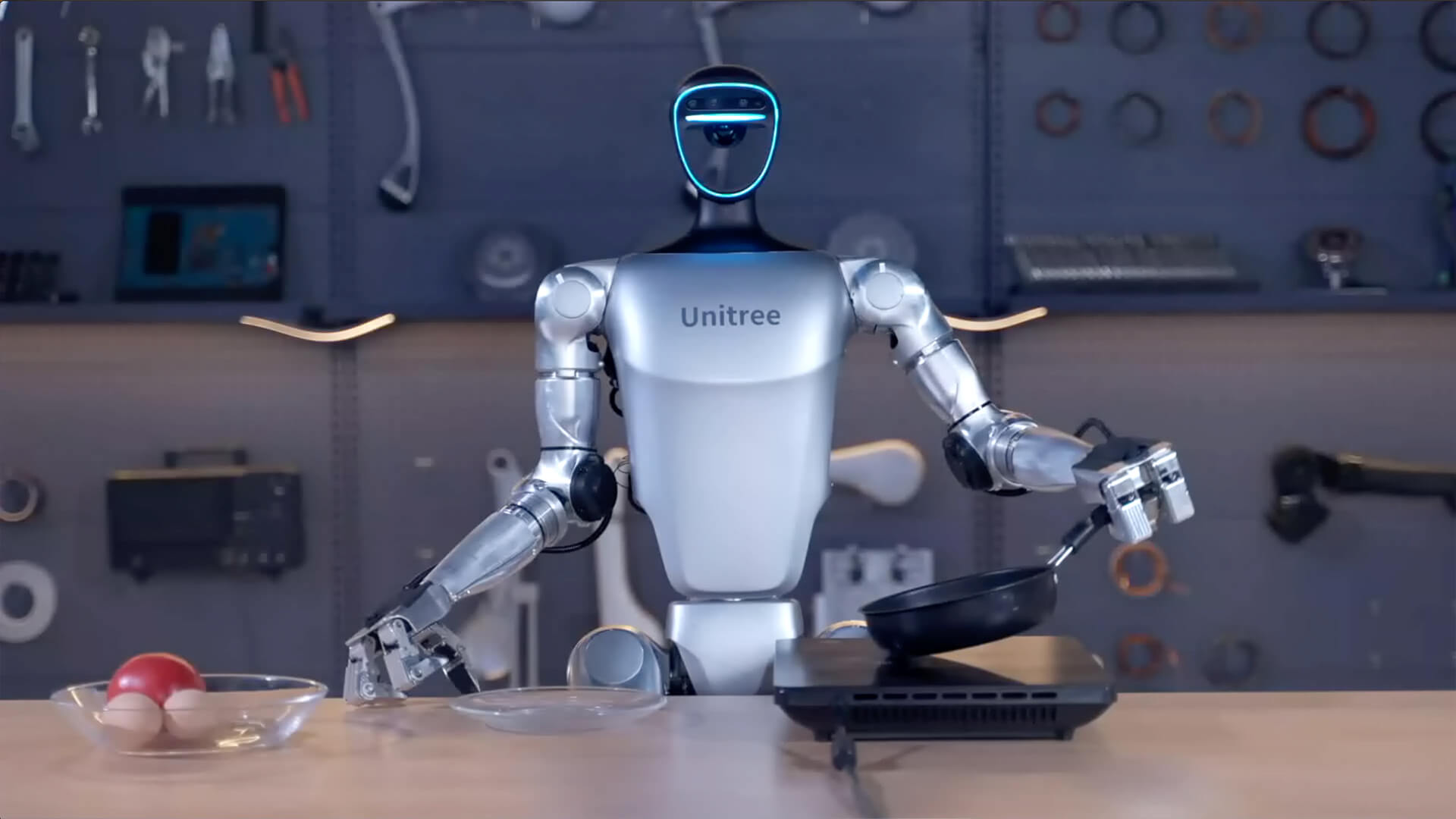
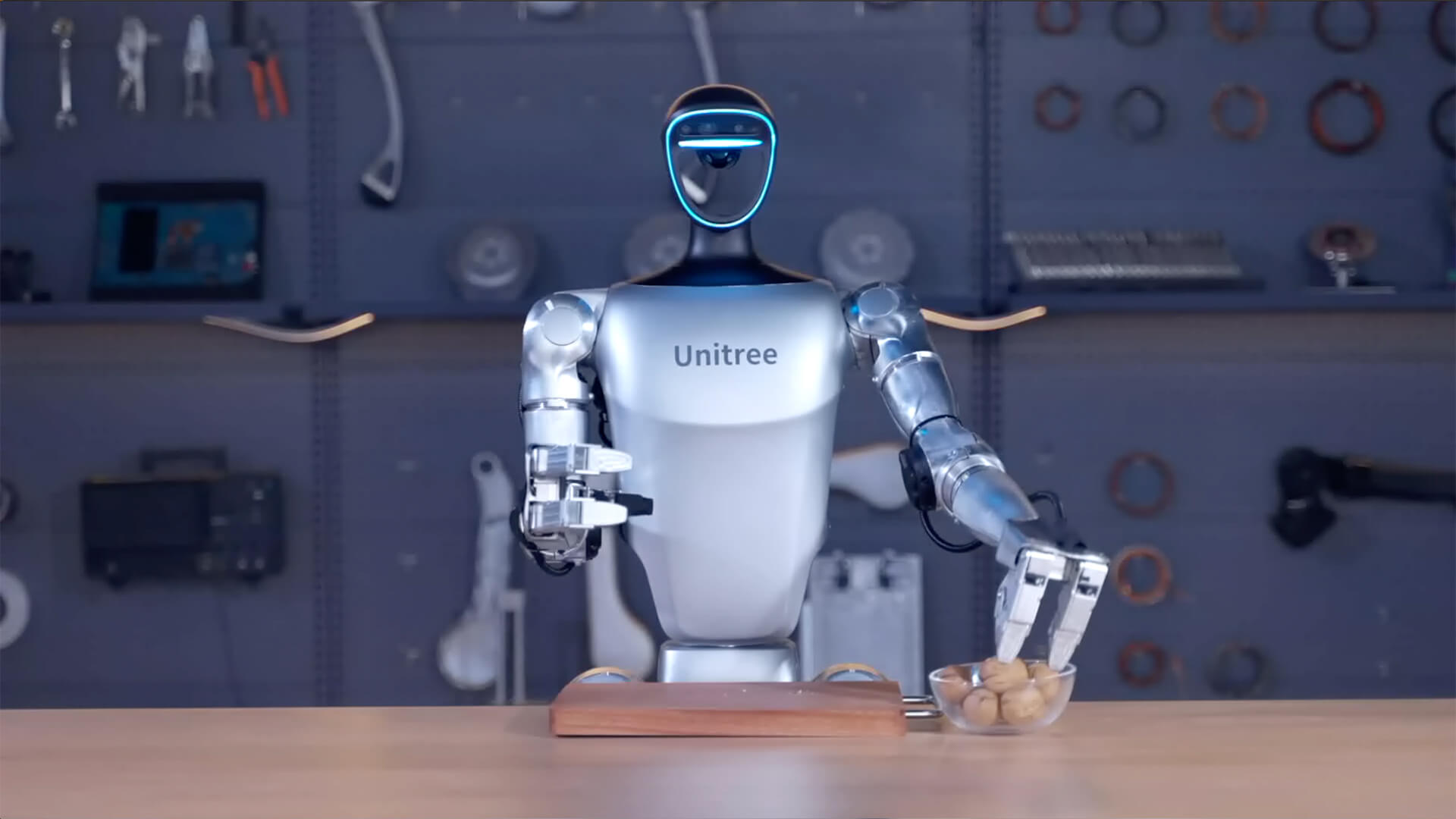
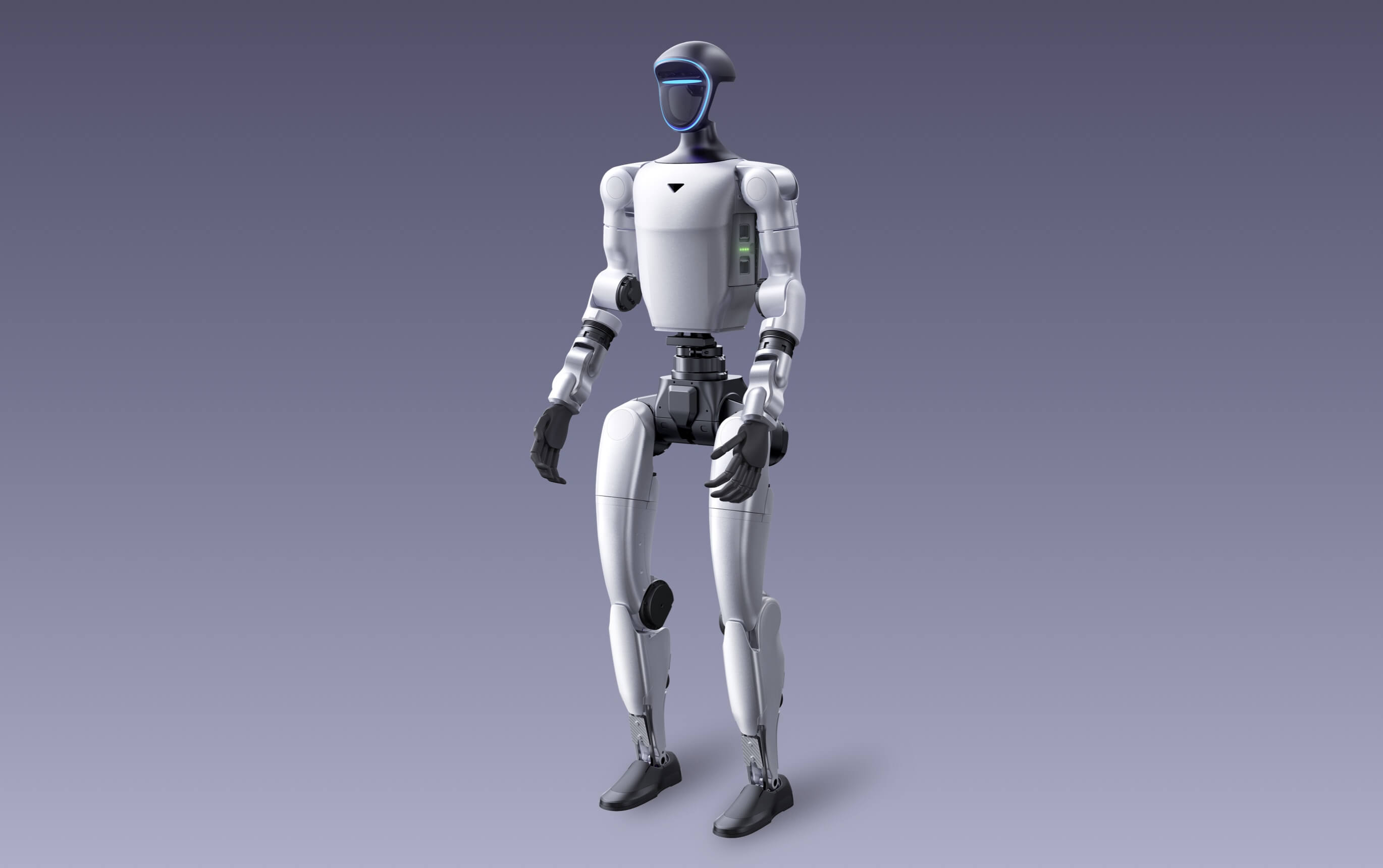
While the Figure 03 debate centers on adaptive autonomy, other manufacturers like Unitree Robotics offer distinct value propositions. The Unitree G1 is a humanoid agent designed with flexibility beyond ordinary people, featuring an extra-large joint movement space and force control dexterous hands.
According to Unitree's specifications, the G1 offers 23 to 43 degrees of freedom depending on the configuration, including optional force-controlled three-fingered hands. It utilizes low inertia high-speed internal rotor PMSM motors for better response speed and heat dissipation. While Figure emphasizes zero-shot autonomy in dynamic environments, Unitree highlights its "robot world model" and continuous OTA software upgrades.
For a buyer in Narre Warren, the choice depends on the intended task. If the goal is general-purpose manipulation in unstructured environments, the adaptive capabilities of models like Figure are relevant. However, if the application requires specific industrial precision or compact form factors, Unitree's G1 presents an alternative with its high joint movement angles and industrial-grade bearings.
Safety Considerations: Lessons from WorkSafe Victoria
The deployment of humanoid robots introduces new safety considerations beyond traditional plant and machinery regulations. WorkSafe Victoria recently issued alerts regarding risks associated with inadequately parked powered mobile plant, including fines for workers injured by falling loads.
When integrating humanoids into workplaces in Melbourne, organizations must ensure effective controls are in place to prevent unintended movement. Unlike stationary equipment, humanoid robots possess active mobility and dexterity that require specific safety assessments. Buyers should verify if the robot's manufacturer provides data on force-limiting capabilities and emergency stop mechanisms compliant with Australian standards.
What to Verify with Your Supplier
Before committing to a purchase or rental, buyers in Melbourne and Narre Warren must engage suppliers to clarify several key areas:
- Exact Configuration: Confirm the specific joint degrees of freedom, motor types, and optional attachments (e.g., force control hands) suitable for the intended task.
- Intended Task: Ask how the robot was trained for the specific application. Is it a learned policy capable of adaptation, or does it rely on pre-programmed sequences?
- Local Delivery and Support: Verify if the manufacturer offers local delivery options to Melbourne suburbs and Narre Warren, as well as on-site support.
- Operator Training: Determine what training is required for operators to safely manage the robot's autonomy levels.
- Safety Assessment: Request documentation on how the robot meets Australian plant safety requirements, particularly regarding movement control.
- Total Landed Cost: Obtain an itemized budget covering transport, setup, software licensing, maintenance, and potential downtime costs.
Scoping a Local Pilot
A practical way to assess a humanoid robot's utility is to scope a local pilot project. This involves defining a narrow, high-value task that can be tested in a controlled environment before scaling up.
For example, a retail business in Narre Warren could propose a pilot where the robot assists with restocking shelves or handling repetitive assembly tasks. The scope should include clear success metrics, such as error rates or time saved, and establish a human fallback mechanism. This approach allows teams to test the robot's adaptability in real-world conditions without risking significant capital investment.
Rental vs. Ownership Models
As adoption grows, options for accessing humanoid technology are expanding. Organizations can choose between hiring a robot or listing their own unit for rent.
Renting a Bot: For businesses that do not want to invest in hardware, renting allows access to the latest models without long-term capital outlay. To hire a humanoid, users must sign in to the portal to browse approved listings and request dates. Rates shown by owners are proposals, not confirmed quotes, so an itemised budget is essential.
Listing My Robot: Existing customers can use their current login to register units for review, propose rates, and manage availability. This route allows owners to generate revenue from idle time while managing maintenance and transport costs themselves.
Both routes require careful cost management. Gross rental revenue is not profit; booked days are not guaranteed. Costs include hire periods, transport, setup, operator time, supported software integration, and maintenance. Buyers should request written itemised quotes that separate refundable deposits from final costs to avoid unexpected financial burdens.
The Path Forward for Melbourne Businesses
The news from Sydney regarding Figure AI's adaptive robot serves as a timely hook for businesses in Melbourne and Narre Warren looking to integrate humanoid robotics. The ability to handle arbitrary tasks with unseen objects represents a significant step forward, but it requires rigorous verification before commercial deployment.
To move forward, organizations should focus on practical pilots that test real-world adaptability rather than relying solely on vendor marketing. By engaging suppliers to clarify configurations, safety protocols, and total landed costs, businesses can make informed decisions about their robotics strategy.
For those interested in exploring the latest humanoid options available in Australia or requesting a tailored quote for their specific needs, we invite you to Request a robot quote. KproApps is based in Narre Warren and welcomes enquiries from Melbourne and south-east Melbourne. Please do not assume that overseas news implies local availability; always verify stock and delivery timelines directly with your supplier.
For more information on how to integrate humanoid robots into Australian business operations, please Explore humanoid robots in Australia. Finally, if you are considering renting or listing a unit, do not forget to check out our dedicated resource on Rent a Bot: hire a humanoid or list your own.
To begin the process, please contact KproApps about your intended use and explore the website for up-to-date listings and capabilities.
Frequently asked questions
Can a humanoid robot adapt to tasks if its environment changes, like moving furniture?
Recent demonstrations suggest advanced models can adapt to changed environments using learned policies. However, buyers must verify specific configuration details with suppliers rather than assuming commercial readiness based on marketing clips.
What safety considerations apply to humanoid robots in Melbourne workplaces?
Organizations must ensure effective controls are in place to prevent unintended movement and comply with WorkSafe Victoria guidelines. Buyers should request documentation on force-limiting capabilities and emergency stop mechanisms.
How do I determine the total cost of owning or renting a humanoid robot?
Total costs include transport, setup, software licensing, maintenance, and downtime. Request written itemised quotes that separate refundable deposits from final costs, as gross rental revenue is not profit.
Sources and further reading
- Adcock Answers Musk's Apple Challenge With a Figure 03 Clip — Humanoids Daily (2026-11-24)
- Unitree G1 humanoid robot — Unitree Robotics
- Plant safety guidance — WorkSafe Victoria
- Pepper social robot — SoftBank Robotics America
Specifications, configurations, availability and manufacturer terms can change. Confirm the current product configuration and written quotation before ordering.