Figure AI Patents Wearable Robot Training: What Melbourne & Narre Warren Buyers Need to Know
Today's headline from Robotics & Automation News highlights a significant development in the global humanoid robotics landscape. Figure AI has filed a patent application for a wearable robotic system designed to capture human arm movements and use the resulting data to train humanoid robots or control them remotely in real time. Published on November 23, 2026, this filing details a backpack-style frame with articulated mechanical arms that follow an operator's movements. While the technology promises low-latency control (under 20 milliseconds) and improved training data collection outside laboratories, it is crucial to distinguish between patent filings and commercial product availability.
For robotics teams across Melbourne, Narre Warren, and the south-east, this news serves as a timely indicator of shifting industry capabilities rather than a guarantee of new hardware arriving locally. The following analysis breaks down the practical implications for buyers, owners, and operators in Victoria.
1. Understanding the Technology: From Patent to Product
The core innovation described involves translating human motion into robot commands with minimal delay. The system uses sensors on shoulder, elbow, and wrist joints to record movement data, which can subsequently train autonomous robots or allow direct remote operation via a headset.
Key Technical Detail: The patent application (US 2026/0364774 A1) specifies an end-to-end delay of less than 20 milliseconds. This capability is significant for tasks requiring fine manipulation, such as assembly or delicate handling, where human intuition must match robotic precision.
However, the report explicitly states that this filing does not establish a commercial product exists. It represents research into portable systems capable of recording real-world tasks. For a buyer in Victoria, this means the technology is likely still in the R&D phase and may not be available for immediate purchase or integration into existing workflows.
2. Commercial Readiness vs. Patent Filings
It is vital to separate the excitement of new patents from the reality of commercial readiness. The filing lists several inventors, including Victor Ragusila, Nathan Jenest, Corey Lynch, Michael Rose, and Lee Magnusson, but does not confirm a manufacturing timeline or pricing structure.
In contrast, other entities like Figure AI are currently demonstrating their F.03 humanoids at events such as the Las Vegas Grand Prix in partnership with T-Mobile. While impressive for marketing, these appearances often lack detail on commercial terms or specific task execution capabilities beyond basic walking and waving.
Comparison Point: Unlike the theoretical wearable system described in the patent, Figure's F.03 units are currently visible in factories and public spaces. However, neither company has confirmed that a similar wearable training device is ready for sale to Australian enterprises.
3. Practical Implications for Melbourne & Narre Warren Teams
For robotics teams operating in Melbourne and the Narre Warren region, this patent signals a future where on-site human demonstration will become more efficient. Currently, collecting data often requires expensive motion-capture studios. A wearable solution could allow factory workers to teach robots while performing everyday tasks.
However, for a local buyer today, the immediate takeaway is not about purchasing a new robot, but rather verifying current supplier capabilities. Teams should assess whether their existing humanoid units can integrate with teleoperation software or if they require significant upgrades to leverage similar low-latency control concepts.
4. Verifying Capabilities with Your Supplier
Before committing to any robotics solution, buyers must verify specific details beyond marketing claims. The following checklist ensures a realistic procurement strategy for the Australian market:
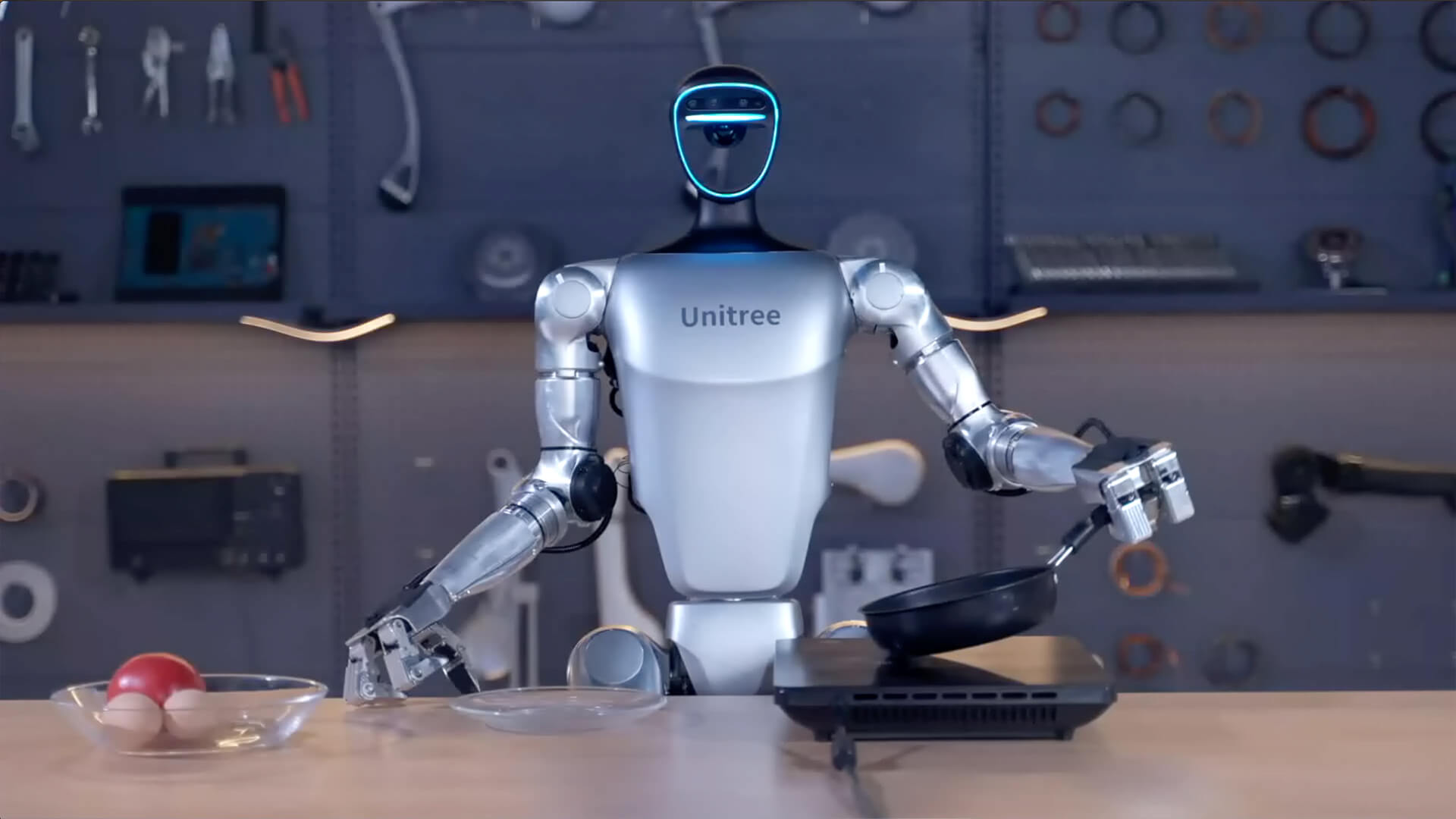
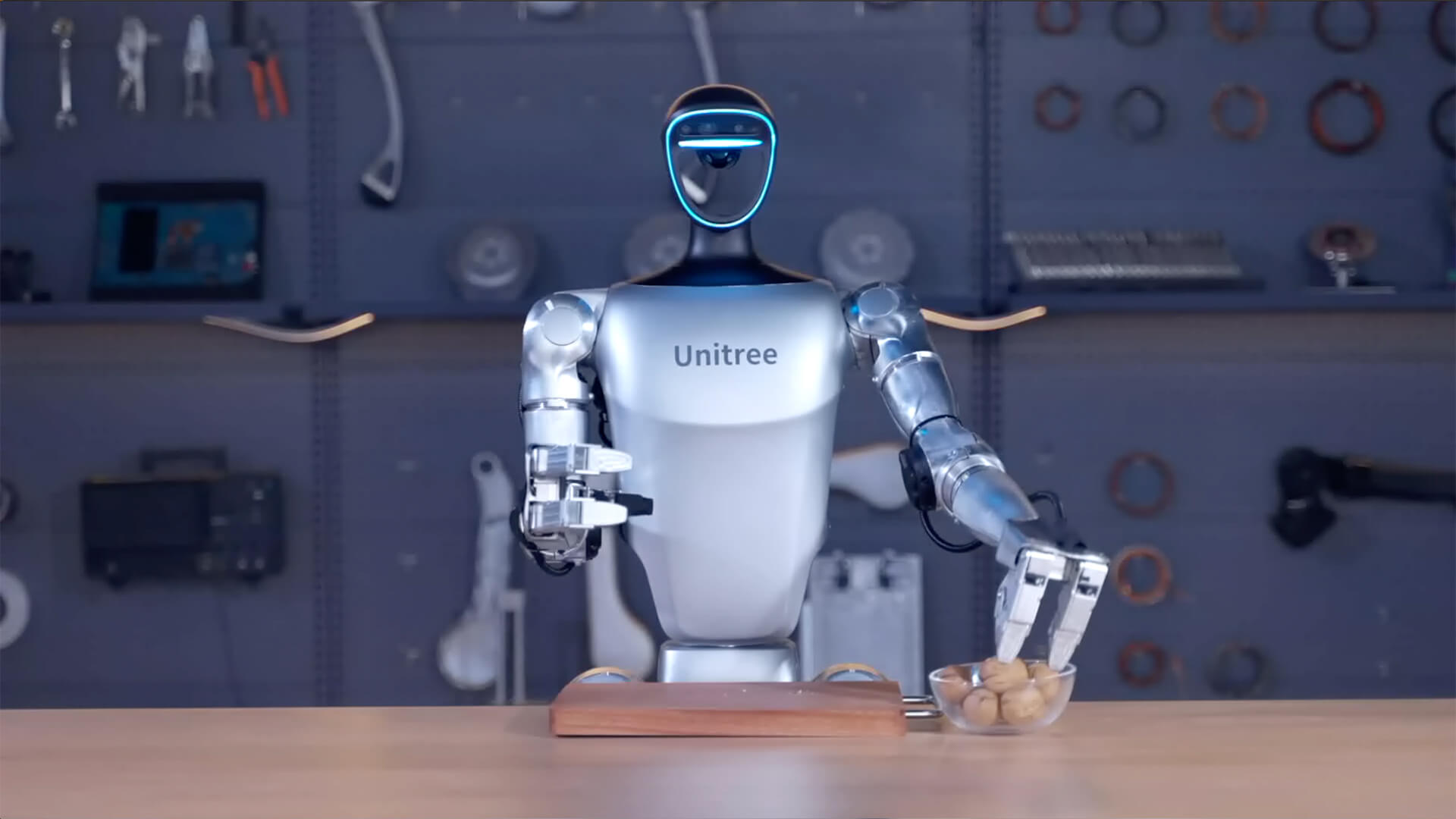
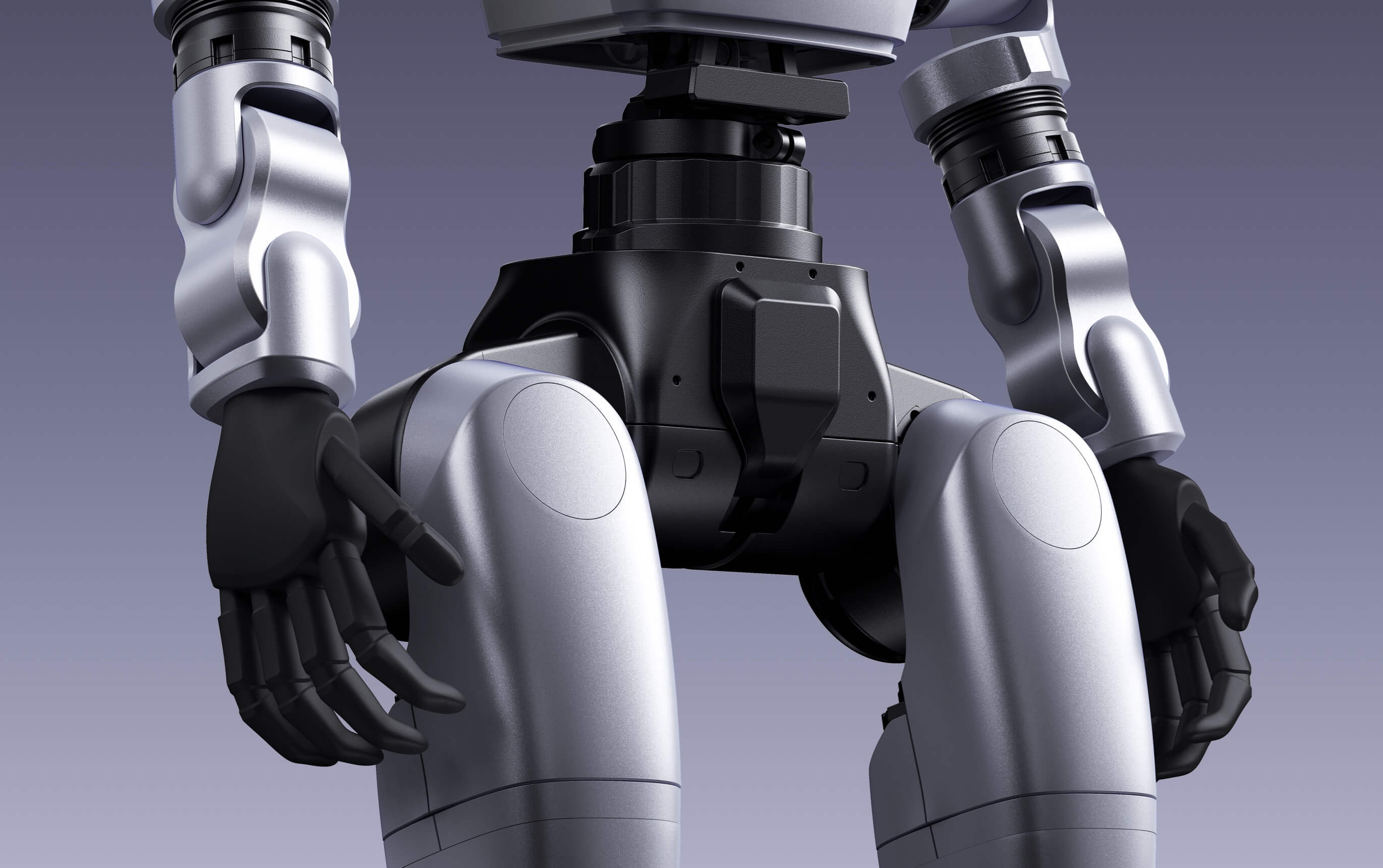
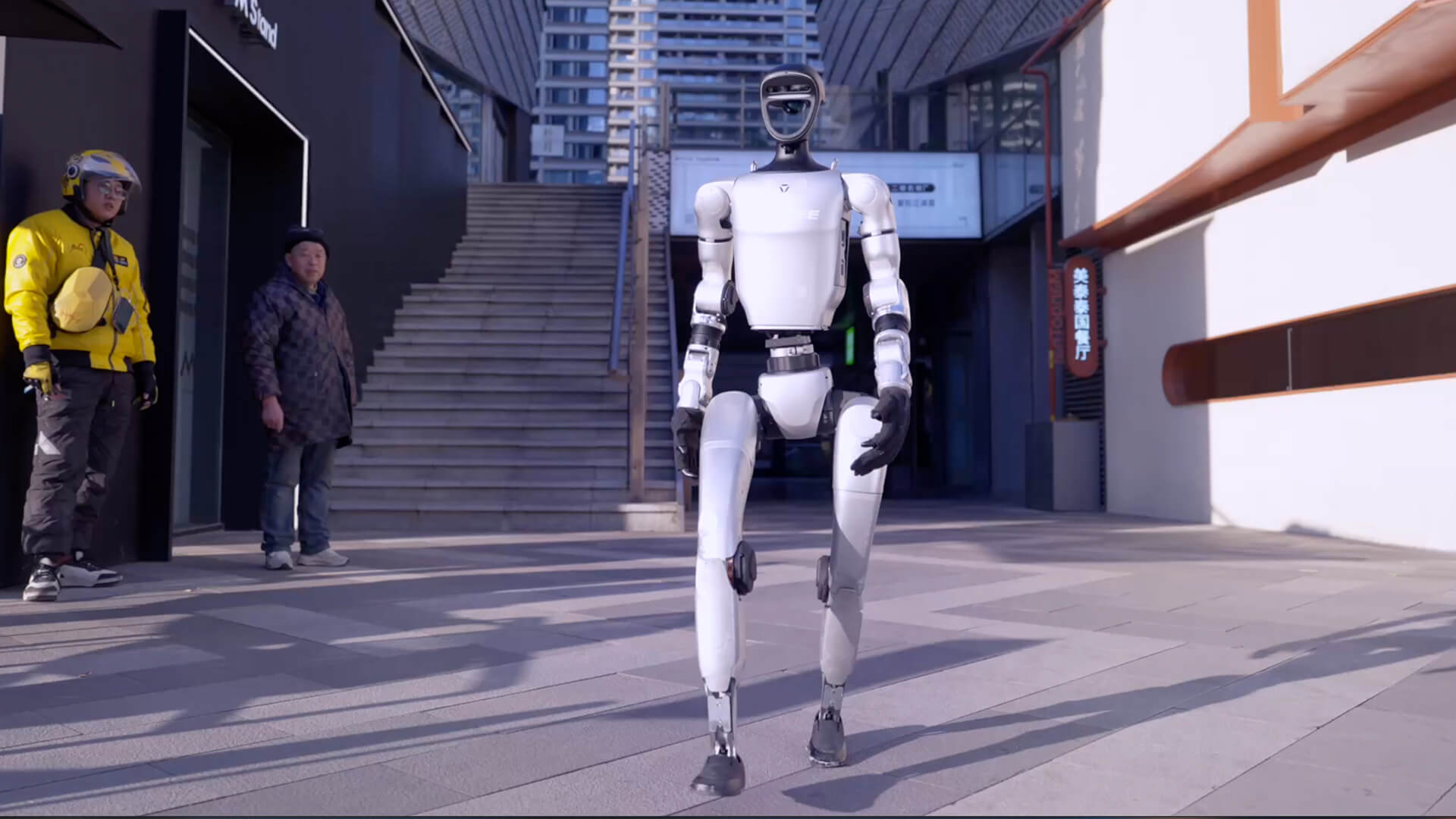
- Exact Configuration: Confirm the robot's degrees of freedom (DoF), joint motor types (e.g., PMSM), and payload capacity. For instance, compare models like the Unitree G1, which features 23 to 43 joint motors and a specific arm span, against potential future offerings.
- Intended Task: Ask how the robot will perform your specific workflow. Does it handle force control? Can it operate in unstructured environments typical of Melbourne warehouses?
- Local Delivery & Support: Ensure the supplier can deliver within Victoria and provide on-site technical support. Overseas news does not guarantee local service availability.
- Operator Training: Confirm if training programs are available for your staff to operate the unit safely and effectively.
- Safety Assessment: Verify compliance with Australian workplace safety standards, such as those outlined by WorkSafe Victoria. Recent alerts regarding plant safety underscore the importance of rigorous risk management.
- Total Landed Cost: Request an itemised budget covering transport, setup, software licensing, maintenance, and potential downtime costs.
5. The Rental vs. Ownership Decision Matrix
Deciding between hiring a robot or owning one involves complex financial considerations beyond the sticker price. As noted in industry discussions around Rent a Bot, revenue is not synonymous with profit.
- Hiring a Robot: Requires portal sign-in to browse approved listings and request dates. This route avoids capital expenditure but incurs recurring costs for transport, setup, operator time, and supported software integration.
- Listing Your Own: Existing customers can use their current login to register units, propose rates, and manage availability. However, rates shown by owners are proposals, not confirmed quotes.
Cost Consideration: Gross rental revenue is not profit; booked days are not guaranteed. When evaluating a purchase, factor in maintenance, downtime, and the cost of skilled operators who can handle complex tasks like those envisioned in the wearable training system.
6. Scoping a Local Pilot Project
To test new technologies without full-scale commitment, teams should scope a local pilot project carefully.
A pilot could begin by identifying a repetitive task that requires precise manipulation. Teams might collaborate with suppliers to see if their current units can be upgraded or paired with teleoperation software similar to the concepts in the Figure AI patent. The goal is to collect data on performance, reliability, and safety in a controlled environment before scaling up.
7. Safety and Regulatory Context in Victoria
The WorkSafe Victoria plant safety guidance highlights ongoing risks associated with mobile plant and machinery. For humanoid robots entering industrial settings, understanding these regulations is non-negotiable.
Recent incidents involving crushing injuries and fines remind operators that even advanced robotics require strict adherence to safety protocols. Buyers must ensure their chosen units undergo proper safety assessments before deployment in Victoria's industrial zones.
8. Next Steps for Buyers in Melbourne & Narre Warren
The landscape of humanoid robotics is evolving rapidly, with new patents suggesting a future of seamless human-robot collaboration. However, the path to commercial availability remains uncertain.
For teams in Melbourne and Narre Warren, the most actionable step is to engage directly with suppliers about their current capabilities and future roadmaps. Do not assume that overseas innovations will translate immediately to local showrooms or stock levels.
Actionable Advice: Contact KproApps, based in Narre Warren and welcoming enquiries from Melbourne and south-east Melbourne, to discuss your intended use case. Explore the website for available options or Request a robot quote to get itemised pricing and specifications tailored to your operations.
By focusing on verified capabilities and clear cost structures, robotics teams can navigate this exciting new era with confidence.
Explore humanoid robots in Australia for buying context.
Owners can submit a humanoid for review, while customers can sign in to browse approved listings through Rent a Bot: hire or list a humanoid. Agree an itemised quote covering the hire period, delivery, setup, operator time and any supported software work before confirming a rental. Proposed rates and enquiries are not confirmed bookings or guaranteed earnings.
Frequently asked questions
Is the wearable robot training system mentioned in the patent available for purchase in Australia?
No. The filing is a patent application published in November 2026, indicating research progress rather than a commercial product launch or availability.
How should I verify if a humanoid robot can perform my specific task in Victoria?
Request an itemised supplier quote that details exact configuration, intended task capability, local delivery options, and operator training programs.
What is the difference between rental revenue and profit when hiring a robot?
Gross rental revenue is not profit; you must account for costs like transport, setup, operator time, maintenance, and potential downtime to determine true profitability.
Sources and further reading
- Figure AI patents wearable system for teaching humanoid robots through human movement — Robotics & Automation News (2026-11-23)
- Figure and T-Mobile Bring F.03 Humanoids to the Las Vegas Grand Prix — Humanoids Daily (2026-11-23)
- Unitree G1 humanoid robot — Unitree Robotics
- Plant safety guidance — WorkSafe Victoria
Specifications, configurations, availability and manufacturer terms can change. Confirm the current product configuration and written quotation before ordering.