Figure's Robot Flood: What It Means for Melbourne Humanoid Buyers in 2026
Source: Humanoids Daily
In late November 2026, the headquarters of Figure AI appears to be experiencing a "population problem." Founder and CEO Brett Adcock has released videos showing dozens of Figure 03 humanoids wandering the campus lawn, loitering in the lobby, and standing near bike racks. While this visual spectacle confirms rapid production scaling—Figure recently marked its 1,000th unit—it highlights a critical distinction between hardware availability and commercial readiness for potential buyers in Melbourne, Narre Warren, and south-east Victoria.
The Gap Between Fleet Size and Workforce Deployment
The videos circulating from Figure's campus suggest a fleet that is significantly larger than the roughly 500 employees on staff. Adcock stated his goal was to have more robots than humans walking the halls, a metric he claims is now within reach. However, the footage reveals that almost none of these units are performing paid tasks.
Instead of sorting parts or interacting with customers, the robots are primarily engaged in internal operations: collecting data for Helix models, running burn-in tests, and conducting endurance trials like the treadmill test that recently surpassed 348 miles. While Figure has disclosed customer deployments at BMW and Catalyst Brands, these represent only a handful of cases compared to the hundreds of units visible on campus.
For an Australian buyer, this distinction is vital. A robot capable of walking for days in a lab does not automatically mean it can handle the unpredictability of a factory floor or a retail environment without extensive reprogramming and safety integration.
Practical Implications for Narre Warren and SE Melbourne Buyers
The surge in global humanoid production creates a competitive landscape, but it also demands rigorous due diligence before committing capital. For robotics teams based in Narre Warren or south-east Melbourne, the immediate implication is to move beyond "showroom" interest to verifying operational capability.
Buyers should not assume that because a robot is being manufactured at scale, it is ready for their specific workflow. The complexity of integrating a humanoid into a local business requires more than just purchasing the unit; it demands a partner who understands Australian industrial standards and local operational constraints.
Key Verification Points Before Purchase
Before finalising an acquisition, prospective clients must verify several critical factors with their supplier. Simply confirming that a robot exists in production is insufficient.
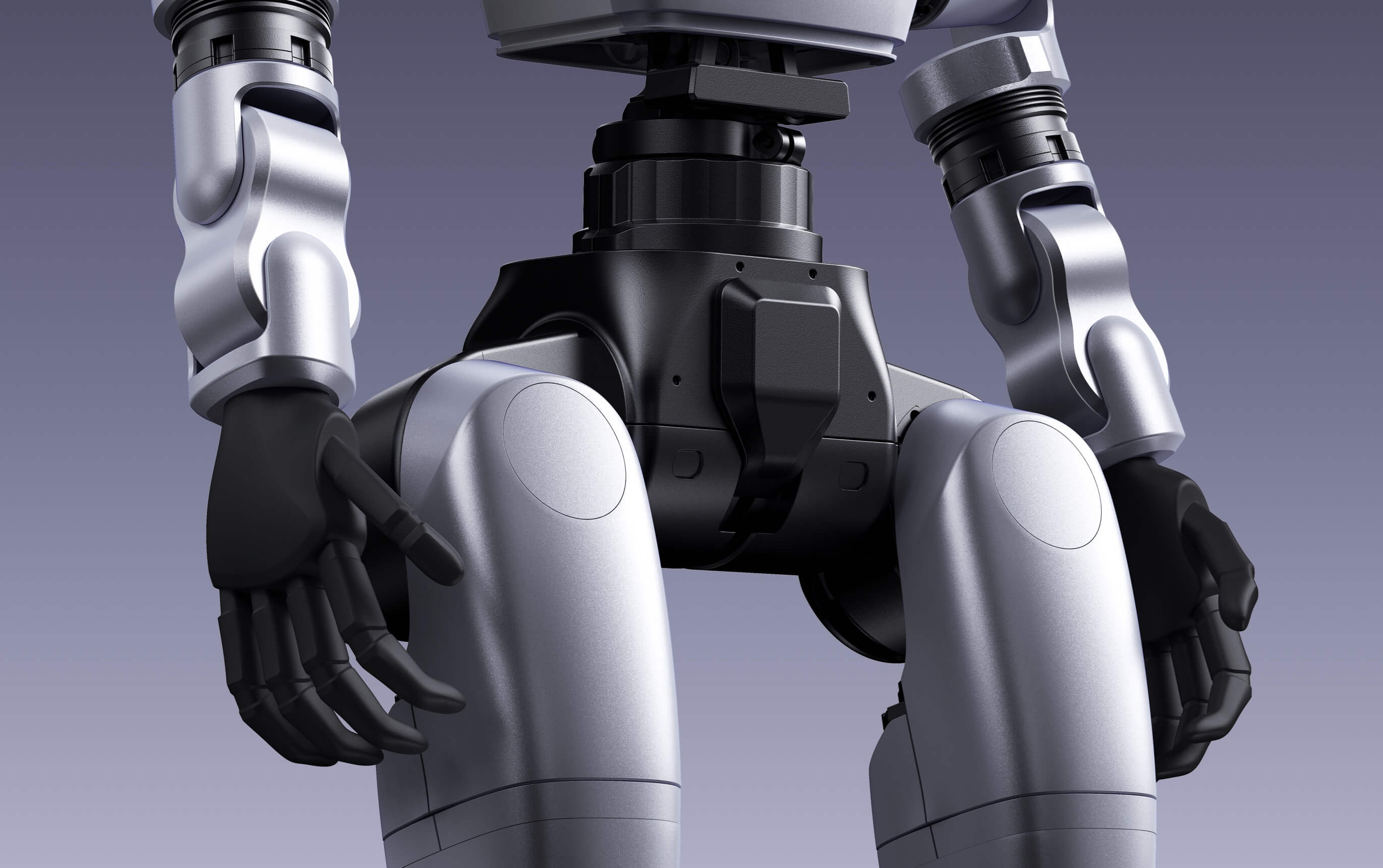
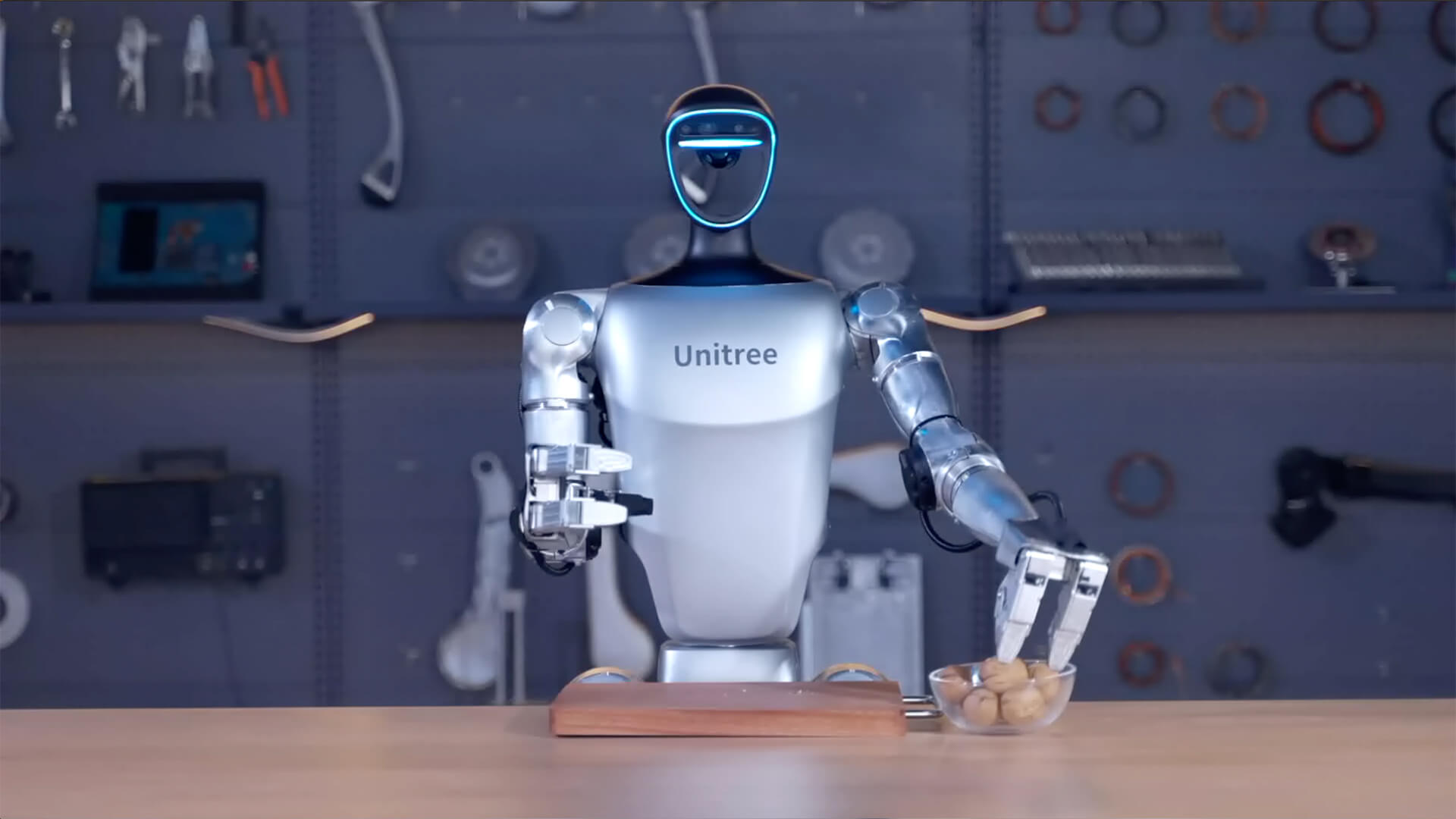
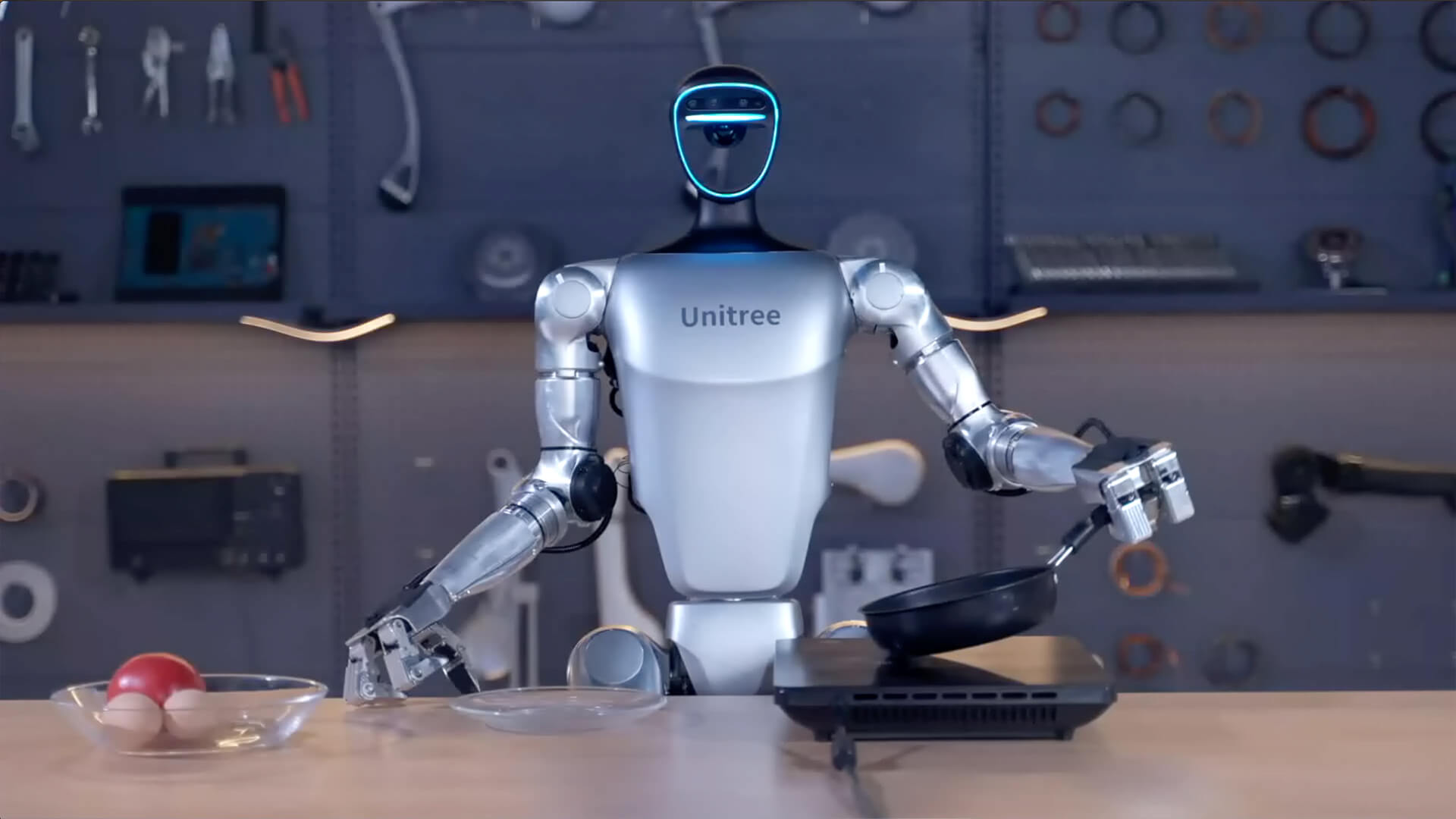
- Exact Configuration: Confirm the specific motor counts, joint ranges, and sensor suites intended for your task. For example, while Unitree offers models with 23 to 43 degrees of freedom depending on the hand configuration, buyers must ensure their chosen unit matches the dexterity required for their application.
- Intended Task Alignment: Ask explicitly what tasks the robot has successfully completed in a real-world setting. A robot trained on controlled data may struggle with unstructured environments common in Melbourne's warehouses or farms.
- Local Delivery and Logistics: Verify if the supplier can deliver to Narre Warren or south-east Melbourne within a reasonable timeframe, considering shipping costs and customs clearance for imported units.
- Operator Training: Ensure the vendor provides comprehensive training for local staff. Humanoid robots introduce new safety dynamics that require skilled operators to manage effectively.
- Safety Assessment: Request documentation of any relevant safety assessments or compliance reports. Given WorkSafe Victoria's recent crackdown on plant and machinery safety, having a clear safety dossier is non-negotiable.
- Total Landed Cost: Obtain an itemised quote that covers not just the unit price, but also installation, ongoing maintenance, software licensing, and potential warranty claims.
Understanding Competitor Capabilities: Unitree vs. Figure
The market is currently dominated by a few key players, each offering distinct advantages. While Figure focuses on high-volume production and rapid iteration, competitors like Unitree Robotics are emphasising specific technical parameters that may suit different use cases.
In contrast, Figure's current focus appears to be on scaling its fleet for internal testing and data collection. While their production rate has reached one unit per hour, the lack of disclosed paid work counts suggests a longer path to widespread commercial adoption compared to competitors who may have more established customer deployments.
Defining a Local Pilot Scope
For businesses in Melbourne or Narre Warren considering a humanoid pilot, it is essential to scope the project realistically. A successful pilot should not aim for full-scale replacement but rather demonstrate value in a controlled environment.
A concise pilot could involve deploying two units to perform repetitive, low-risk tasks such as light inventory sorting or data collection in a warehouse setting. The goal would be to measure efficiency gains and gather performance data over a defined period, typically three to six months. This approach allows the organisation to validate the robot's reliability without exposing the entire operation to potential disruptions.
Safety and Regulatory Compliance in Victoria
The regulatory environment in Victoria remains strict regarding plant and machinery. WorkSafe Victoria continues to issue fines for safety breaches, as seen in recent incidents involving loading ramps and industrial equipment.
Humanoid robots fall under the broader category of plant and machinery, meaning they must comply with all relevant safety standards before deployment. Buyers should not rely on overseas approvals alone; local regulations regarding force limits, emergency stop mechanisms, and operator interaction protocols must be strictly adhered to.
The Role of KproApps in the Australian Market
KproApps is based in Narre Warren and actively welcomes enquiries from Melbourne and south-east Melbourne. As a local hub for robotics solutions, we understand the nuances of deploying advanced automation within Victoria's industrial landscape.
We do not simply resell hardware; we assist clients in navigating the complexities of humanoid integration. Whether you are interested in exploring specific configurations or need guidance on safety compliance, our team is ready to support your journey from concept to deployment.
Next Steps: Request Your Quote
The flood of robots globally signals a new era of opportunity, but it also means buyers must be selective. To avoid costly mistakes and ensure you are working with a capable partner, the first step is to request an itemised supplier quote.
Visit our website to Explore humanoid robots in Australia and view the latest capabilities available for your region. For custom pricing and configuration details, please Request a robot quote. Contact us today to discuss your intended use case and take the first step towards automating your operations safely and effectively.
Frequently asked questions
Are humanoid robots already doing paid work in Australia?
Currently, commercial deployments are still limited globally. While some companies have customer contracts, widespread paid work is not yet common. Buyers should verify specific task capabilities before purchasing.
How do I know if a robot is safe for my workplace?
Request detailed safety documentation and ensure the vendor provides training. Verify compliance with local plant and machinery regulations to avoid WorkSafe penalties.
Can suppliers deliver humanoid robots to Narre Warren?
Yes, KproApps is based in Narre Warren and can assist with local delivery options. Always confirm shipping logistics and total landed costs with your supplier before ordering.
Sources and further reading
- Figure’s HQ Is Crawling With Figure 03 Robots. What Are They All Doing? — Humanoids Daily (2026-11-07)
- Unitree G1 humanoid robot — Unitree Robotics
- Plant safety guidance — WorkSafe Victoria
Specifications, configurations, availability and manufacturer terms can change. Confirm the current product configuration and written quotation before ordering.